





Understanding India's E20 Mission
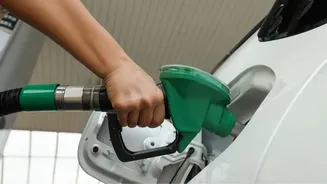
Across India, petrol pumps have transitioned to selling E20 petrol, a blend containing 20% ethanol. This nationwide policy is part of a larger government strategy with significant goals: reducing the country's expensive oil import bill, providing support
to sugarcane farmers who produce ethanol, and lowering vehicle emissions. The rollout of E20 has been presented as a win for energy security, the agricultural economy, and the environment. While new vehicles are designed to be fully compatible with this fuel, a question has lingered for the owners of older models: what does this change mean for them?
The CEA's Pragmatic Proposal
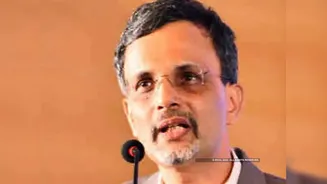
In a recent public intervention, Chief Economic Adviser (CEA) V. Anantha Nageswaran, along with consultant Akash Poojari, put forward a nuanced suggestion. They proposed that while E20 fuel should continue to be available for compatible vehicles, petrol pumps should also offer an option with a lower ethanol content, such as E10 (10% ethanol). This isn't a call to abandon the ethanol blending programme. Instead, it’s a recommendation to provide a choice, specifically to address the challenges faced by a significant portion of Indian vehicle owners. The proposal aims to find a middle ground between the nation's ambitious green fuel targets and the ground reality of the vehicles currently in use.
Why Older Two-Wheelers Are a Special Case
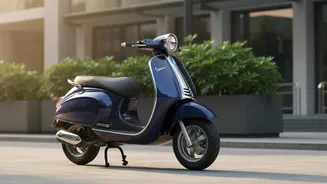
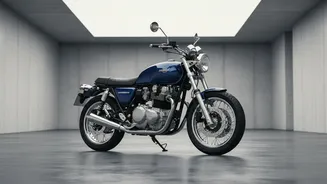
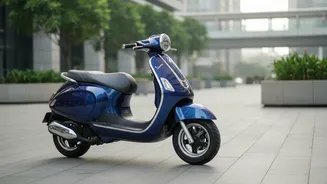
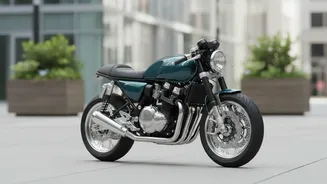
The core of the CEA's argument centres on the estimated 75 to 80 million older two-wheelers, mostly manufactured before the BS-IV emission standards. Many of these bikes and scooters use carburettors, a technology that is less sophisticated than modern fuel injection systems. Carburettors cannot automatically adjust the air-fuel mixture to account for the higher oxygen content in E20 petrol. This can lead to the engine running 'lean' and at a higher temperature. Furthermore, the rubber and plastic components in the fuel lines and seals of these older vehicles were often not designed to withstand high concentrations of ethanol, which can be corrosive over time. While retrofitting these bikes is possible, doing so for millions of vehicles would be a massive, time-consuming undertaking.
Fact-Checking E20 Fears
It's important to note that Nageswaran's proposal also sought to clarify misconceptions. He pointed out that widespread social media claims about E20 fuel causing major engine damage in modern cars are largely unsupported by evidence. Extensive testing in both the United States and India—by credible bodies like the Automotive Research Association of India (ARAI) and Indian Oil—found no significant increase in engine wear for vehicles running on E20. The CEA also clarified that while E20 does result in a lower mileage because ethanol has less energy than petrol, the reduction is around 6-7%, not the alarming 30% figure sometimes cited online. His focus remains squarely on the genuine mechanical compatibility issues specific to older, carburetted two-wheelers.
The Broader Food vs. Fuel Debate
The proposal also touches upon a larger strategic question for India: how far should ethanol blending go? Nageswaran has urged caution before pushing for even higher blends like E27 or E30. He has called for a thorough assessment of the long-term consequences, such as the impact on food prices, the allocation of agricultural land for fuel versus food crops like maize and sugarcane, and the significant water resources required for their cultivation. This introduces a critical layer to the policy discussion, suggesting that future decisions must balance energy goals with food security and environmental sustainability.