




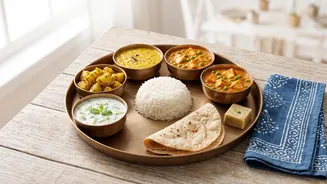
From Forgotten Grains to Culinary Stars
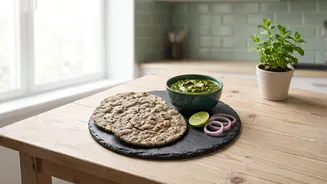
Not long ago, ingredients like millets (jowar, bajra, ragi), indigenous greens, and regional rice varieties were often dismissed as old-fashioned or rural fare. The Green Revolution's focus on wheat and rice pushed these nutrient-dense crops to the sidelines.
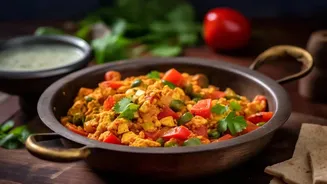
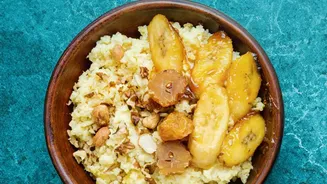
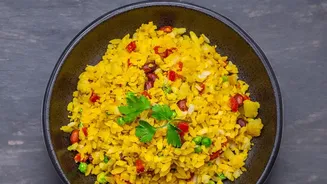
Today, however, they are making a powerful comeback. Chefs across India are championing these forgotten foods, building entire menus around hyper-regional and local produce. From restaurant pop-ups highlighting unique eggplant varieties to five-star hotels featuring 'lost recipes', heritage ingredients are being celebrated for their unique flavours and textures. This isn't just about nostalgia; it's a movement to redefine contemporary Indian food.
A Prescription for Health and Wellness
One of the biggest drivers of this trend is a collective shift towards healthier eating. Many heritage grains, especially millets, are nutritional powerhouses. Naturally gluten-free, they are rich in fibre, protein, and essential minerals like calcium and iron. Unlike refined wheat and rice, millets have a low glycemic index, which helps in managing blood sugar levels and provides sustained energy. For a growing number of health-conscious diners, choosing a millet-based dish over a refined-flour naan is a simple way to improve digestion, support heart health, and manage weight. This focus on wellness has turned these ancient grains into modern superfoods.
The Sustainable Plate
The conversation around food has expanded beyond personal health to include the health of the planet. Many heritage crops are inherently sustainable. Millets, for instance, are known as climate-resilient crops; they are often drought-resistant and can grow in poor soil with fewer chemical fertilisers and pesticides. Supporting these crops means supporting biodiversity and more eco-friendly agricultural practices. As diners become more aware of the environmental impact of their food choices, ingredients that are local, seasonal, and require fewer resources are gaining appeal. This eco-consciousness makes eating heritage ingredients an ethical choice as much as a culinary one.
Chefs Championing a New Indian Identity
This revival is being led by a generation of visionary chefs who are looking inward for inspiration. Instead of relying on imported luxury ingredients like truffle oil or foreign produce, they are exploring the incredible biodiversity within India's own borders. Chefs are travelling to remote regions, connecting with farmers, and unearthing ingredients like Meghalaya's crunchy sohphlang tuber or Bengal's fragrant gondhoraj lime. By applying modern techniques to traditional ingredients, they are creating dishes that are both innovative and deeply rooted in Indian culinary traditions. This shift is reshaping the perception of Indian food, moving it away from standardised curry-house menus to a celebration of its vast, regional diversity.
A Hunger for Authenticity and Connection
Beyond health and sustainability, there is a deeper cultural current at play. For many Indians, this trend is about reconnecting with their roots. These ingredients evoke a sense of nostalgia and comfort, reminding diners of meals eaten at home. In a globalised world, there is a growing appetite for food that feels authentic and tells a story. Eating regional and heritage foods is a way to celebrate and preserve culinary traditions that have been passed down through generations. This desire for connection—to family, to community, and to a specific region—has turned the dining table into a space for cultural exploration and rediscovery.