




Understanding Garden Run-Off
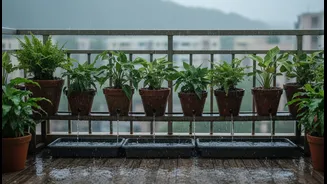
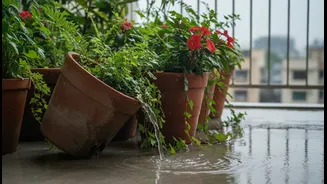
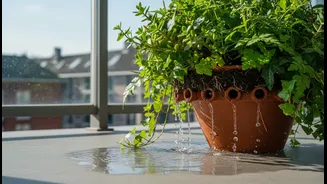
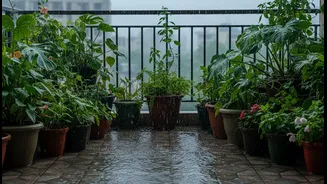
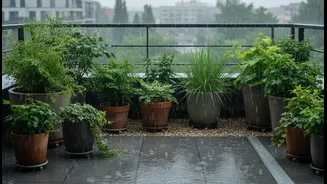
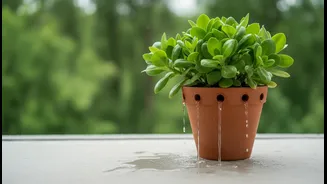
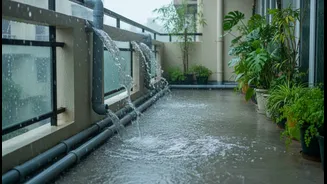
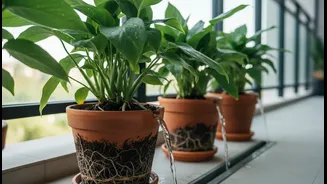
When you water your plants or when it rains, the excess water that flows away is called run-off. This isn't just plain water. It often carries soil, loose pebbles, and any chemicals you've used, such as pesticides or fertilizers. This chemical-laden water can
seep into a neighbour's property, staining walls, creating puddles, and potentially harming their own plants or pets. Over time, this run-off can contribute to larger water quality issues in the community, polluting local water sources. Even organic fertilizers can cause problems, leading to algae growth and unpleasant smells if they accumulate in shared drains or on a neighbour's property.
Managing Water and Waste Thoughtfully
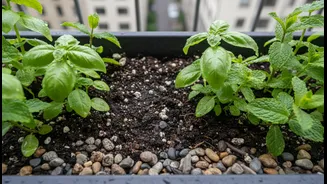
The key to preventing harmful run-off is mindful management. Water your plants slowly and deeply, allowing the soil to absorb the moisture rather than letting it gush out of the drainage holes. Use saucers or trays beneath your pots to catch excess water, but be sure to empty them regularly to prevent creating a breeding ground for mosquitoes. Consider using organic pest control methods and slow-release, natural fertilizers, which are less likely to cause harm if they do get washed away. Creating a small barrier or bund with pebbles or a raised edge around your garden area can also help contain water and soil, especially on terraces. If you have a larger garden, techniques like creating a rain garden or a grassy swale can help capture and filter runoff on your own property.
The Danger from Above
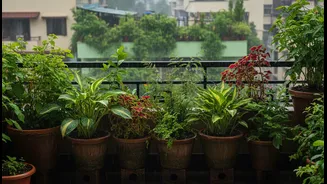
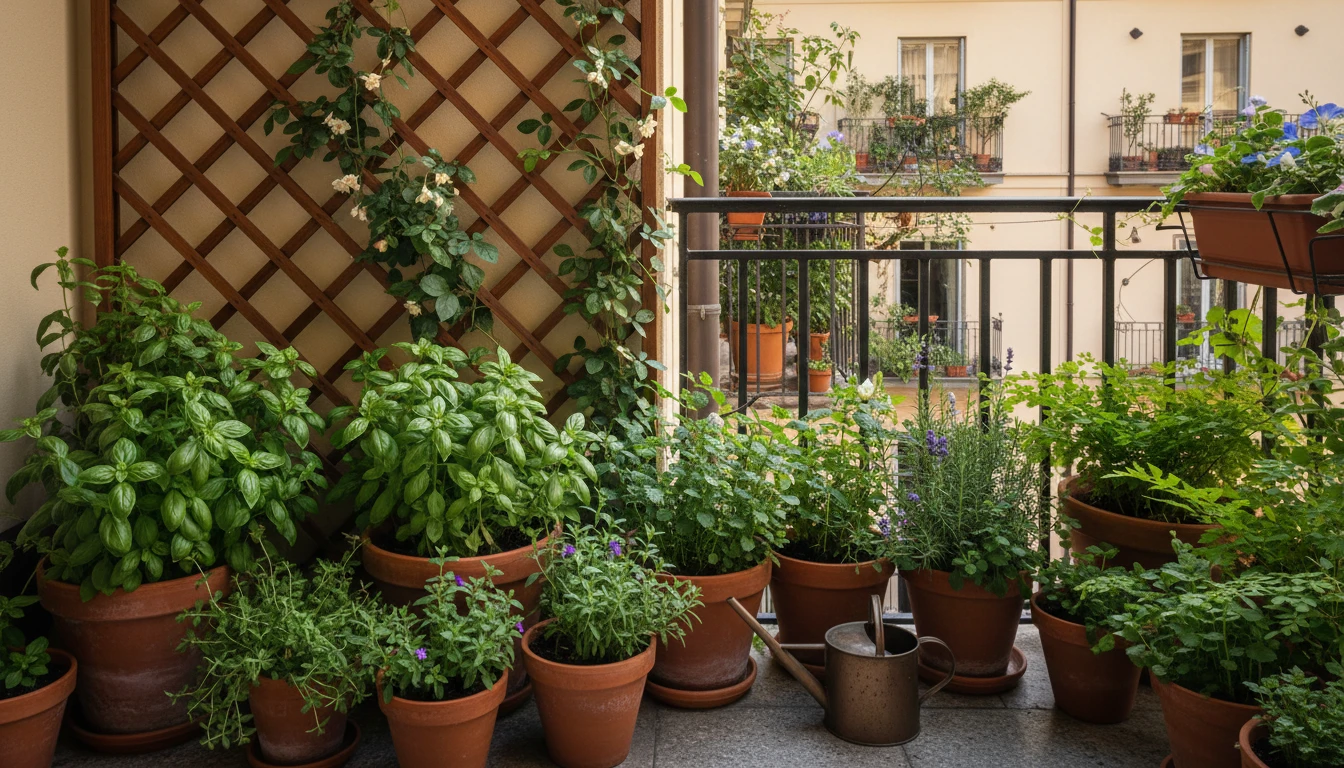
In India's high-rise cities, balcony and terrace gardens are a welcome patch of green. However, they come with a significant responsibility: ensuring nothing can fall and cause injury or damage below. A pot that seems stable on a calm day can be tipped by a sudden gust of wind, a playful monkey, or an accidental knock. The risk isn't just from pots; gardening tools, empty bags of soil, and even loose, dead branches can become dangerous projectiles. Liability for objects falling from a balcony can be a serious issue, potentially resting with the property owner or the tenant. The tragic reality is that falls from and objects falling from balconies cause preventable injuries and fatalities every year.
Securing Your High-Rise Haven
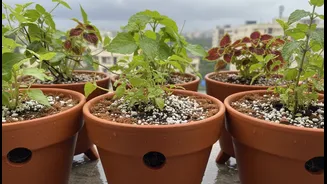
Safety starts with stability. Choose pots that are wide and heavy at the base, making them less likely to tip over. Avoid placing round pots on smooth, sloping surfaces where they can easily roll. For railings, use secure planter hooks and brackets designed for the purpose, and always check weight limits. Grouping pots together can increase their collective stability. It's also wise to install a safety net or mesh around your balcony, especially if you have many small pots or children and pets. After a storm or heavy winds, make it a habit to check all your plants and containers, ensuring everything is still secure. Never leave tools, water cans, or other loose items near the edge of your balcony or terrace.
Communication Is Key
Many conflicts between neighbours can be avoided with simple communication. If you're planning a large gardening project that might create dust or noise, give your neighbours a friendly heads-up. If you notice your run-off is flowing into their space, be proactive and ask them if it's causing an issue. Often, neighbours are very understanding, especially if you show that you are being considerate. In many housing societies, working together on a community or terrace garden can be a wonderful way to build relationships and share resources. A shared love for gardening can help turn neighbours who live just metres apart into a real community.