

The Pulse of the Party: Rhythm in Zumba
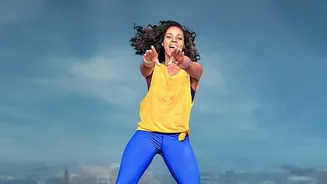
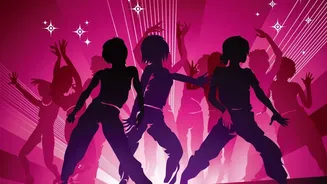
Zumba is a fitness phenomenon built on a foundation of structured, infectious rhythm. At its core, it’s a dance party disguised as a workout, fusing high-energy music, primarily Latin genres like salsa, merengue, and cumbia, with choreographed aerobic
moves. The rhythm in Zumba is external and guiding; the instructor leads, and the beat tells your body exactly what to do. This removes the guesswork, allowing participants to lose themselves in the music and collective energy of the class. The constant shifting between fast and slow rhythms acts as a form of interval training, which can be highly effective for burning calories and improving cardiovascular health. For many, the appeal lies in this structured flow. You don't have to invent the movement, just follow the beat, creating a shared experience that fosters a strong sense of community and makes exercise feel fun.
Finding Your Own Beat: Rhythm in Roller Skating
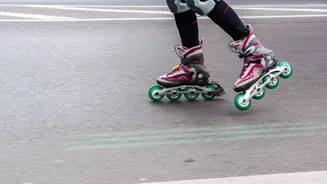
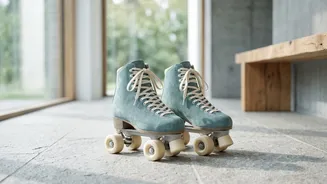
Roller skating, in contrast, cultivates a more personal and internally-generated sense of rhythm. While often set to music at a rink, the fundamental rhythm of skating comes from the skater's own body—the smooth, repetitive push and glide that creates momentum. This movement can become meditative, allowing skaters to enter a 'flow state' where they are fully immersed in the activity. It’s about finding a harmony between your body, your skates, and your environment. Rhythm skating styles, which focus on flowing movements that match a song's beat, are a popular form of expression, but even a simple glide through a park has its own cadence. This makes roller skating a uniquely creative and freeing form of exercise, where the rhythm is yours to create, not just to follow. This self-directed flow is a powerful tool for mindfulness and stress reduction.
The Aerobic and Calorie-Burning Breakdown
Both activities offer excellent aerobic benefits, but in slightly different ways. A typical hour-long Zumba class can burn between 300 and 600 calories, with some estimates going as high as 900 depending on the intensity. Studies have shown an average burn of around 369 calories per session, making it more effective than activities like cardio kickboxing or power yoga for calorie expenditure. Roller skating at a moderate pace for an hour can burn around 400 to 600 calories. Zumba provides a full-body workout that incorporates squats and twists, strengthening the core and improving coordination. Roller skating is exceptional for toning the lower body, particularly the glutes, quads, and hamstrings, while also heavily engaging core muscles for balance. A key difference is impact: Zumba is generally considered low-to-moderate impact, while roller skating is prized for being very low-impact, putting significantly less stress on the joints than running.
Learning Curve and Accessibility
Your entry into these activities depends on your comfort zone. For Zumba, the main challenge is coordination. It can take a few classes to get the hang of the choreographed steps, but the environment is typically non-judgmental, and perfection isn't the goal. Classes are widely available in gyms and community centers, and online options make it highly accessible. Roller skating's primary hurdle is balance. It requires practice to feel stable on wheels before you can glide with confidence. Accessibility for skating depends on having a safe space, like a rink or a smooth park path, and you'll need to invest in a pair of skates and protective gear.
Community: The Class vs. The Rink
The social dynamics of each activity are shaped by their structure. Zumba is inherently social, built around a group class format that encourages camaraderie and a shared, high-energy experience. Instructors often act as community leaders, fostering a supportive atmosphere where friendships form easily. The roller skating community is more decentralized but just as strong. It can be a solo activity for clearing your head or a social one at rinks, parks, and skate events. Skating culture, with deep roots in Black communities, has a rich history of social connection, style, and musical expression that continues to thrive today. Whether you prefer the structured 'we're-all-in-this-together' vibe of a Zumba class or the free-form social world of skating is a matter of personal preference.