





The Sensation Behind the Soothing
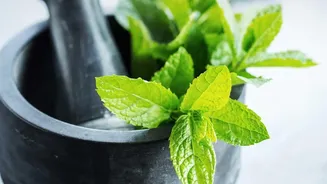
The magic of peppermint comes from its primary active compound: menthol. When applied to the skin, menthol triggers specific cold-sensitive receptors (known as TRPM8), which is why it creates a distinct cooling sensation without actually lowering your
skin's temperature. This powerful sensory input acts as a 'counter-irritant'. Essentially, the cooling feeling is so noticeable that it distracts your nerves from the original signals of pain or discomfort, whether from a headache or a sore muscle. It’s a clever trick on your nervous system, providing a feeling of relief by overriding the less pleasant sensations. Some studies also suggest menthol can influence local blood flow and has anti-inflammatory properties, adding to its soothing effects.
Treatment vs. Comfort: A Crucial Distinction
In medicine, 'treatment' and 'symptom comfort' are not the same thing. A curative treatment, like an antibiotic for a bacterial infection, targets and resolves the underlying cause of the illness. Symptomatic relief, on the other hand, aims to reduce the discomfort caused by the illness without necessarily fixing the root problem. Think of taking a lozenge for a sore throat; it soothes the pain but doesn't kill the virus causing it. This approach is also called supportive or palliative care, and it's incredibly valuable for improving quality of life while the body—or another medication—does the work of healing. Misunderstanding this can be risky; masking a persistent symptom like a low-grade fever could delay diagnosis and treatment of a more serious underlying condition.
Peppermint for Headaches
The most popular use for a peppermint compress is for tension headaches. The evidence here is more than just anecdotal. One notable 1996 trial found that a 10% solution of peppermint oil in ethanol, applied to the forehead and temples, was as effective at reducing tension headache pain as 1,000 mg of acetaminophen. The menthol helps by relaxing muscles and providing that cooling, pain-distracting sensation. However, it's important to frame this correctly. For a tension headache caused by tight neck and shoulder muscles, the peppermint provides significant comfort and relief. It helps manage the symptom—the pain—but it doesn't address the root cause, such as stress or poor posture, that led to the muscle tension in the first place.
What About Fevers and Aches?
It’s common to reach for a cool compress during a fever, and adding peppermint can make it feel even more refreshing. The menthol's cooling effect provides comfort when you feel overheated. However, it's crucial to know that while it makes you feel cooler, it does not lower your body's core temperature in the way an antipyretic medication like ibuprofen would. The fever is your body's response to fighting an infection, and while providing comfort is important, a compress is not a 'fever reducer' in the medical sense. Similarly, for muscle aches, the cooling sensation can soothe soreness after a workout by temporarily desensitizing pain receptors, but it doesn't heal the microscopic muscle tears that are the source of the ache.
How to Use a Peppermint Compress Safely
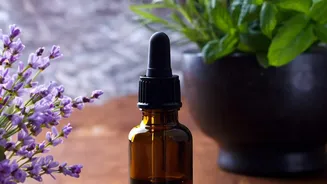
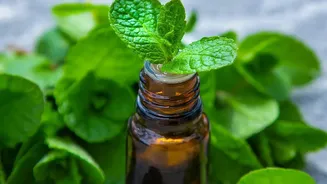
To harness the benefits of peppermint for comfort, proper application is key. Pure peppermint essential oil is highly concentrated and can irritate the skin. It should always be diluted. A simple way to make a compress is to add a few drops of peppermint oil to a bowl of cool water, soak a clean cloth, wring it out, and apply it to your forehead, temples, or the back of your neck. Before using any essential oil on your skin, it's wise to do a patch test by applying a small amount of the diluted oil to your forearm and waiting 24 hours to check for any reaction. Always keep the oil away from your eyes and do not apply it to the faces of infants or young children, as the potent menthol can affect their breathing.