




The Myth's Origin Story
The idea that houseplants are potent air purifiers comes from a 1989 NASA study. Researchers were looking for ways to clean the air in sealed environments like space stations. They placed plants in small, sealed chambers and introduced volatile organic
compounds (VOCs) like benzene and formaldehyde. The study found that certain plants could indeed remove a significant portion of these pollutants from the chamber. This groundbreaking finding was widely publicised, and soon, lists of 'air-purifying' plants became a staple in magazines and on the internet, turning houseplants into heroes of home health.
Debunking the Myth in the Real World
The problem is that our homes are not small, sealed space stations. A 2019 review of decades of research concluded that in a normal home or office with regular air exchange from windows, doors, and ventilation systems, the effect of plants on air quality is negligible. To replicate the results of the NASA study, you would need an absurd number of plants—estimates range from 10 to 1,000 plants per square metre. So, while plants do absorb pollutants, they do it too slowly to make a meaningful difference in a typical room. But this doesn't mean you should give up on indoor greenery. Plants have other, more tangible benefits.
1. The Hardy Snake Plant
The Snake Plant (Sansevieria trifasciata) was a star of the NASA study and is famously hard to kill. Its true value lies in its resilience and striking architectural look. Perfect for beginners, it tolerates low light and infrequent watering, making it ideal for busy Indian households and even air-conditioned rooms. Water only when the soil is completely dry—roughly every 2-4 weeks in summer and even less in winter. Overwatering is its main enemy. Its upright leaves add a modern touch to any decor, proving you don't need a debunked health claim to justify its place in your home.
2. The Ever-Popular Money Plant
Known as Pothos (Epipremnum aureum), the Money Plant is a fast-growing vine found in countless Indian homes, often believed to bring good luck. While not a miracle air-cleaner, its cascading heart-shaped leaves are undeniably beautiful. It's incredibly forgiving and can thrive in a range of conditions, from bright, indirect light to lower-lit corners. Water it every 7-10 days in summer, and less during monsoon and winter when the soil stays moist for longer. This plant is a great choice for its aesthetic appeal and its ability to signal its needs clearly.
3. The Elegant Peace Lily
The Peace Lily (Spathiphyllum) is prized for its glossy dark leaves and beautiful white 'flowers' (which are actually modified leaves). It was also featured in NASA's research. While its air-purifying abilities are overstated, its aesthetic and ability to thrive in lower light are not. It's a great communicator, drooping dramatically when it needs water. In Indian conditions, water it when the top inch of soil feels dry, and be mindful of overwatering during the humid monsoon season. Its elegance and low-light tolerance make it a fantastic addition to living rooms and bedrooms.
4. The Prolific Spider Plant
The Spider Plant (Chlorophytum comosum) is another NASA study alumnus, known for being incredibly easy to propagate thanks to the 'spiderettes' or baby plants it produces. It is a forgiving plant that adapts well to various indoor environments across India. It prefers bright, indirect light but can manage in shadier spots. The key to its care is to avoid overwatering; let the top inch or two of soil dry out before watering again. It looks wonderful in hanging baskets where its arching leaves and baby plants can cascade freely.
5. The Tropical Areca Palm
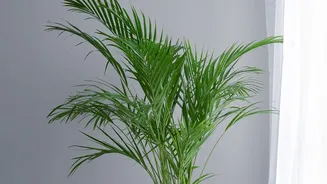
With its feathery, arching fronds, the Areca Palm (Dypsis lutescens) brings a lush, tropical feel indoors. It's excellent at releasing moisture into the air, which can be a welcome benefit in dry, air-conditioned rooms. This palm prefers bright, indirect light and consistently moist (but not soggy) soil. In India's dry winters, it will appreciate occasional misting to keep its foliage from developing brown tips. Its real benefit is its ability to transform a corner into a vibrant, green escape, a far more impactful role than insignificant pollutant removal.
6. The Useful Aloe Vera
Aloe Vera is a succulent that loves bright light and is famously drought-tolerant, making it a great low-maintenance choice for a sunny windowsill. Often touted for its air-cleaning properties, its true power lies in the gel inside its leaves, which has been used for centuries for skin care. Water it deeply but infrequently, only when the soil is completely dry. For Indian homes, this means watering perhaps once every week or two in summer, and even less in winter. Its architectural shape and practical uses make it a far more valuable plant than any myth.