

The Superfood Spotlight
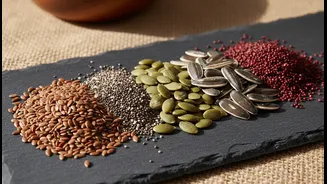
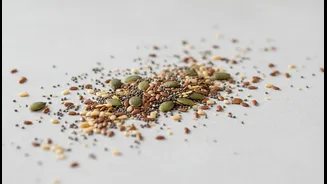
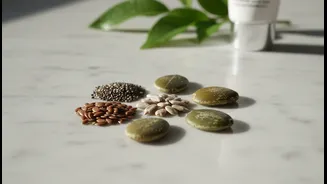
Walk down any health food aisle, and you will be met with a dazzling array of seeds. Chia, flax, pumpkin, and sunflower seeds have earned a reputation as 'superfoods', promoted with promises that often focus on external beauty. Social media influencers
and wellness blogs frequently link them to clearer skin, stronger hair, and a slimmer waistline. While some of these claims have a kernel of truth—healthy fats and nutrients are indeed good for skin—this narrow focus misses the bigger picture. This marketing halo presents seeds as a magic bullet, a simple fix for complex concerns, which can be misleading. The reality is that no single food can transform your health or appearance in isolation.
Nutritional Powerhouses in Miniature
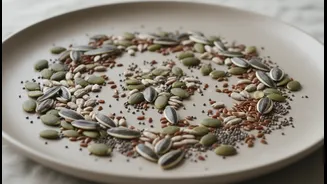
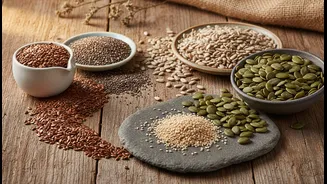
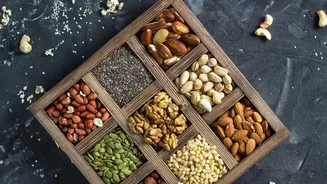
So, what is the real magic of seeds? It lies in their dense nutritional profile. Seeds are embryonic plants, containing all the necessary starting materials for life, which makes them incredibly nutrient-rich. They are fantastic sources of dietary fibre, plant-based protein, and healthy unsaturated fats, including omega-3 fatty acids. Furthermore, they are packed with essential minerals like magnesium, zinc, iron, and calcium, as well as vitamins and powerful antioxidants. For example, flaxseeds are rich in lignans, a type of antioxidant that helps reduce inflammation, while pumpkin seeds are a great source of zinc and magnesium. These nutrients work together to support everything from heart health and digestion to immune function and energy levels.
The Strength of a Balanced Plate
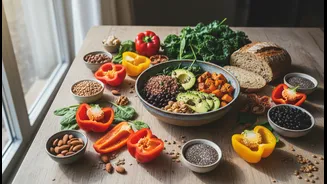
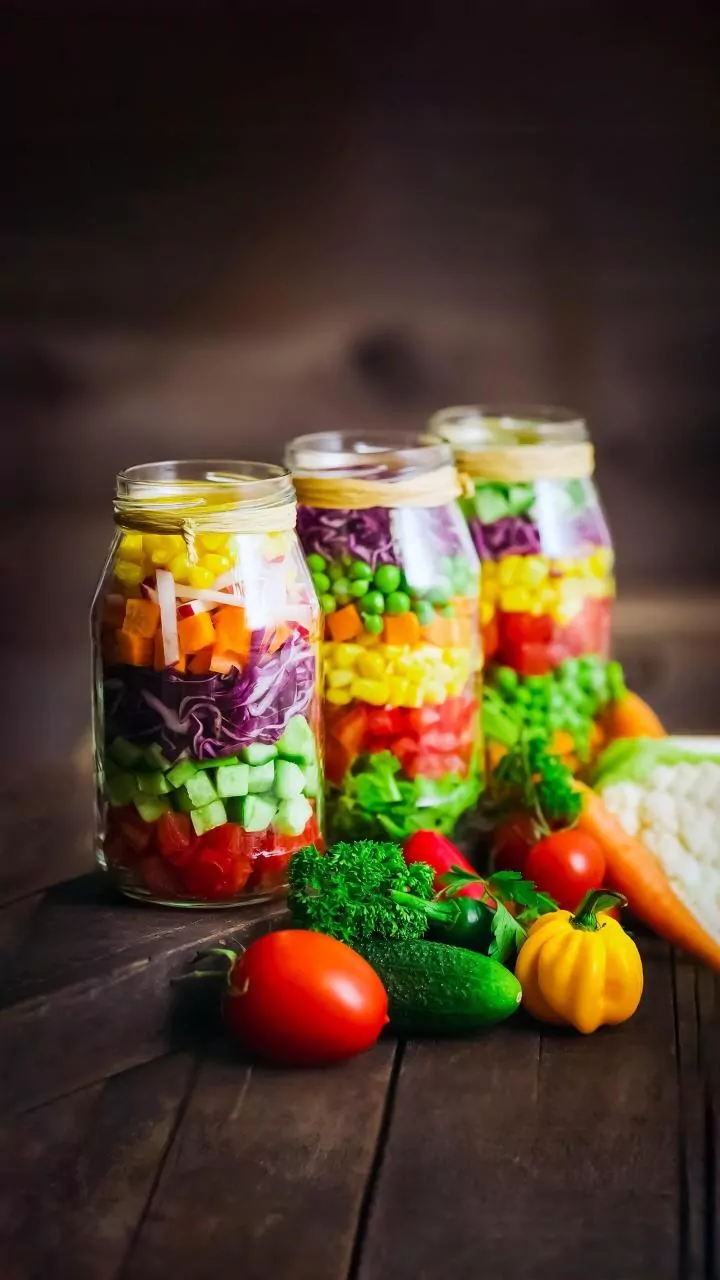
The most crucial context for understanding seeds is their role within a complete diet. Their benefits are amplified when they are part of a balanced plate. Think of seeds not as the star player, but as a vital part of a high-performing team. The fibre in chia seeds aids digestion and promotes a feeling of fullness, but it works best with adequate water intake. The healthy fats in sunflower and sesame seeds can help the body absorb fat-soluble vitamins from other foods on your plate, like the greens in your salad. This synergy is why dietary approaches consistently recommended by health experts, such as the Mediterranean diet, emphasize a variety of whole foods including fruits, vegetables, whole grains, nuts, and seeds. The focus is on the overall dietary pattern rather than fixating on individual 'superfoods'.
A Practical Guide to Eating Seeds
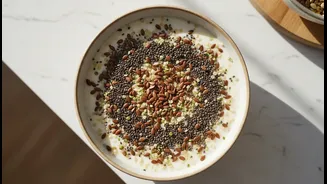
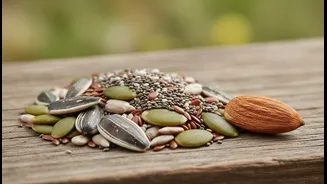
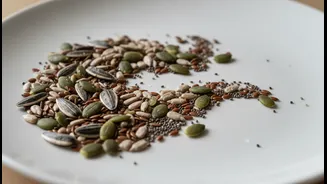
Incorporating seeds into your diet doesn't require a complete overhaul of your eating habits. The key is small, consistent additions. A daily intake of one to two tablespoons is a great starting point. You can sprinkle a mix of seeds over your morning oatmeal, yogurt, or salad for an extra crunch and nutrient boost. Ground flaxseed can be easily stirred into smoothies or batter for baked goods; grinding them is important as the body cannot easily digest the whole seed to access the nutrients inside. Chia seeds can create a pudding-like texture when soaked in liquid, making for a healthy dessert or breakfast option. Toasted pumpkin or sunflower seeds make a satisfying snack on their own, but be mindful of portion sizes as they are calorie-dense.