



The Gut-Friendly Magic of Monsoon Ferments
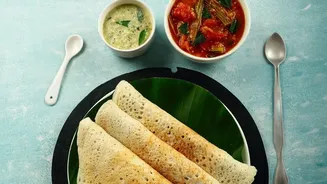
Fermented foods are a cornerstone of many Indian diets for good reason. Preparations like curd (dahi), dosa, dhokla, and kanji are packed with probiotics—beneficial live bacteria that support a healthy gut. During the monsoon, when our immunity can take
a dip and digestive issues are more common, these foods can be particularly helpful. The fermentation process not only preserves food but also breaks down nutrients, making them easier to digest and absorb. A healthy gut microbiome is crucial for a strong immune system, and incorporating these foods can help your body defend against common seasonal infections.
When Good Food Goes Bad: The Risks
The very process that makes fermented foods beneficial—the growth of microorganisms—can also pose risks if not managed correctly. The high humidity and fluctuating temperatures of the monsoon create an ideal breeding ground for unwanted bacteria, yeast, and mould. While a pleasant sour aroma and some bubbling are normal signs of healthy fermentation, a foul, rotten, or chemical-like smell is a major red flag. Other signs of spoilage include visible fuzzy mould (which can be of any colour), a slimy texture, or unexpected colour changes in the food. Improperly fermented foods can become contaminated with harmful pathogens that cause food poisoning.
Golden Rules for Safe Home Fermentation
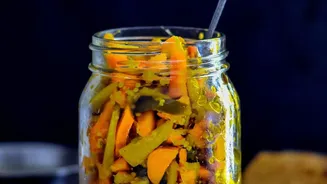
Ensuring your homemade ferments are safe starts with impeccable hygiene. Always wash your hands thoroughly and use clean, sterilised utensils and jars. Glass containers are an excellent choice as they are non-reactive and easy to clean. When preparing vegetables for pickling or fermentation, ensure they are fully submerged in the brine; any food exposed to air is vulnerable to mould. It is also crucial to use the correct salt-to-water ratio, as salt helps create an environment where beneficial bacteria can thrive while inhibiting harmful ones. Finally, cover the food properly while it ferments to protect it from contaminants.
Smart Storage in a Humid Climate
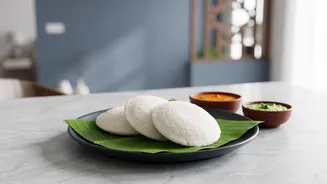
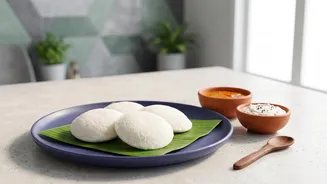
Once your food has fermented to your liking, proper storage is key to extending its life and maintaining its safety. For most ferments, like idli batter or opened pickles, the refrigerator is your best friend. The cold temperature significantly slows down the fermentation process, preventing the food from becoming overly sour and reducing the risk of spoilage. Always store fermented products in clean, airtight containers. This not only protects them from absorbing other odours in the fridge but also prevents exposure to airborne mould and bacteria. Keep them away from direct sunlight or heat sources, which can accelerate spoilage.
A Monsoon Menu Makeover
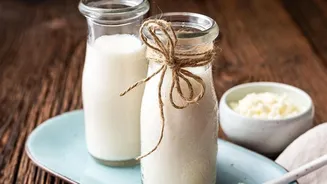
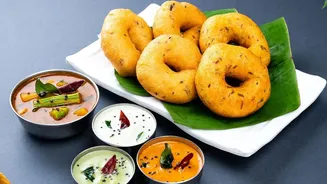
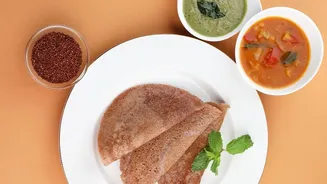
The rainy season is a perfect opportunity to explore the diverse world of Indian fermented foods beyond the usual suspects. Kanji, a tangy drink made from fermented black carrots and mustard seeds, is a seasonal delight known for its probiotic benefits. Homemade curd and buttermilk (chaas) are simple to prepare and excellent for digestion. Leftover rice can be transformed overnight into Panta Bhat, a cooling and lightly fermented dish popular in eastern India. Even staples like idli and dosa batter can be managed with care during the monsoon; just be sure to use it within a few days of refrigeration. These additions can make your monsoon meals both exciting and beneficial.