



What is Seed Cycling?
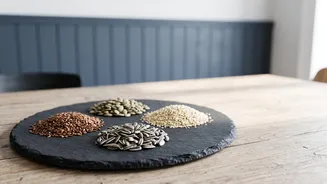
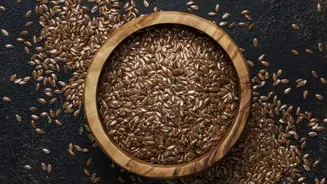
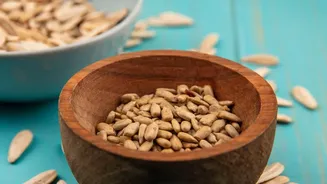
Seed cycling is a dietary approach that claims to balance female hormones by rotating four key seeds throughout the menstrual cycle. The protocol is divided into two phases. During the first half of the cycle, the follicular phase (days 1-14, starting
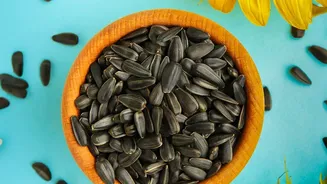
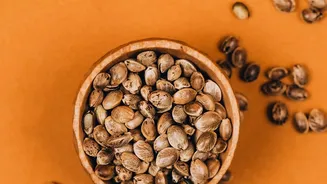
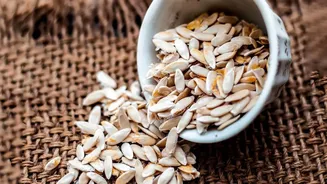
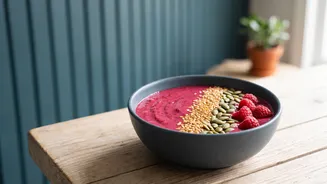
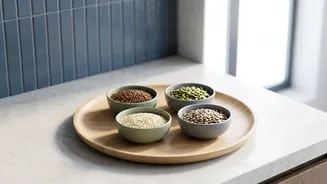
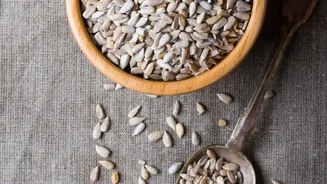
with menstruation), practitioners consume one to two tablespoons each of ground flax and pumpkin seeds daily. The theory is that these seeds help regulate estrogen. For the second half, the luteal phase (days 15-28, after ovulation), the regimen switches to ground sunflower and sesame seeds to supposedly support progesterone production. For women with irregular or absent periods, the cycle is often synced with the phases of the moon. The concept is straightforward and has gained significant popularity online as a gentle, food-based way to manage hormonal health.
The Promises vs. The Proof
Advocates claim seed cycling can do everything from regulating periods and easing premenstrual syndrome (PMS) to boosting fertility and soothing menopause symptoms. The idea is that compounds in the seeds, like lignans in flax and zinc in pumpkin seeds, modulate hormone levels at key moments in the cycle. However, the scientific community remains skeptical. While individual seeds contain beneficial nutrients, there are currently no large-scale, high-quality clinical trials that prove the 'cycling' method itself has a significant effect on hormone levels or symptoms. Most of the support comes from anecdotal reports and small-scale studies that have limitations. A 2025 review noted that while some studies suggest potential benefits for PMS and PCOS, the overall evidence is not strong enough to make definitive conclusions.
The Unquestionable Value of the Seeds
While the specific protocol of 'cycling' lacks robust scientific backing, the seeds themselves are nutritional powerhouses. Flax seeds are one of the richest sources of lignans, a type of phytoestrogen that can help modulate estrogen levels in the body. They are also packed with fiber and omega-3 fatty acids. Pumpkin seeds offer a great source of magnesium and zinc, minerals crucial for many bodily functions, including immune response and bone health. Sesame seeds are rich in calcium and an antioxidant called sesamin, while sunflower seeds are an excellent source of vitamin E, another powerful antioxidant. So, while the timing might not be the magic bullet some claim, incorporating these seeds into your diet is certainly a healthy choice.
Balanced Nutrition: The Established Foundation
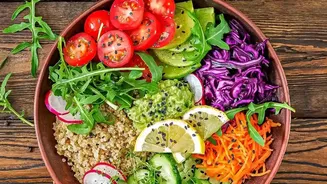
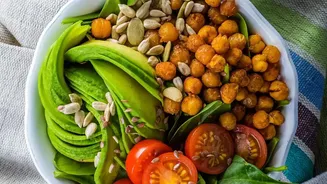
Rather than focusing on a rigid seed schedule, most health experts and dietitians emphasize the importance of a consistently balanced diet for overall hormonal health. Hormones are deeply interconnected with our overall nutrition, blood sugar levels, and gut health. A diet rich in a variety of whole foods provides the building blocks for healthy hormone production and regulation. Key components include sufficient fiber from vegetables, fruits, and whole grains; lean proteins; and healthy fats from sources like avocados, nuts, and fatty fish. Nutrients like B vitamins, vitamin D, magnesium, and omega-3s are all vital for hormonal equilibrium. This broader, more sustainable approach is backed by extensive research and provides benefits far beyond what a few tablespoons of seeds alone can offer.
When Medical Care is Non-Negotiable
Perhaps the most crucial takeaway is that seed cycling, or any dietary change, should not be a substitute for professional medical care. Persistent hormonal symptoms like severely painful or irregular periods, unexplained weight changes, chronic fatigue, or adult acne can be signs of underlying medical conditions such as Polycystic Ovary Syndrome (PCOS), endometriosis, or thyroid disorders. Relying solely on a dietary trend can delay proper diagnosis and treatment. A doctor can run tests to get a clear picture of your hormone levels and recommend evidence-based treatments, which may include lifestyle changes, medication, or other therapies. While discussing nutrition with your healthcare provider is a great step, it should complement, not replace, their medical guidance.