







A Necessary Biological Firewall
Plant quarantine is a government-enforced process designed to prevent the introduction and spread of foreign pests and diseases. Based on the Destructive Insects and Pests Act of 1914, these regulations act as a biological firewall for Indian agriculture.
Every year, millions of plants and seeds cross India's borders, and hidden within them could be pests or pathogens that local ecosystems have no defence against. For a country whose economy is deeply rooted in agriculture, an outbreak could be devastating, leading to massive crop loss and economic hardship for farmers. The process involves legally restricting the import of plant materials until they are verified to be safe.
The Hidden Dangers in Strawberry Runners
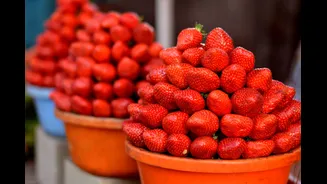
Strawberry plants, particularly the runners (young plants) imported for cultivation, are susceptible to a host of threats. These include microscopic enemies like fungi, viruses, and bacteria, as well as insects and mites. Common diseases like anthracnose, red stele root rot, and various leaf spots can travel silently on asymptomatic plants. Pests such as spider mites, aphids, and thrips can also hitch a ride. Once introduced into a new environment without natural predators, these foreign pests can spread uncontrollably, threatening not only the strawberry crop but also other plants. The quarantine process is specifically designed to detect these hidden threats before they can reach Indian soil.
The Quarantine Journey Explained
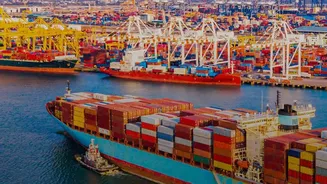
The process begins long before the plants are shipped. Importers must obtain a valid import permit from India's plant quarantine authority. The plants must also be accompanied by a phytosanitary certificate from the exporting country, confirming they have been inspected. Upon arrival at a designated port in India, the consignment is inspected by Plant Quarantine officials. High-risk planting materials, like strawberry runners, are then sent to a post-entry quarantine facility. Here, they are grown in a controlled environment for a specified period, often around 40 days, and monitored closely for any signs of latent disease or pests. Only after they are deemed completely clear are they released to the importers and nurseries.
Impact on Nurseries and Growers
While essential for biosecurity, the quarantine process presents challenges for the strawberry industry. Much of India's commercial strawberry cultivation, especially in the dominant Mahabaleshwar-Panchgani belt which produces over 85% of the country's strawberries, relies on imported varieties from places like California, Italy, and Spain. Nurseries and large growers import mother saplings to propagate millions of runners for the planting season, which typically begins in September. The quarantine period can introduce delays and uncertainty into this tight schedule. It adds to the overall cost of planting material, which already includes import fees and shipping. For an industry where initial planting costs can be upwards of Rs 2.5 lakh per acre, these additional hurdles can significantly impact a farmer's bottom line.
Safeguarding India's Strawberry Hubs
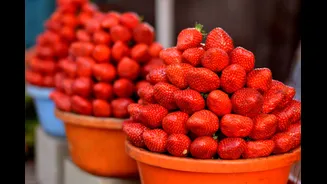
The stringent measures are ultimately in place to protect the very heart of India's strawberry production. The industry in Maharashtra, and growing pockets in other states like Haryana and Jammu & Kashmir, is built on specific imported cultivars known for their taste and yield. A pest outbreak could wipe out entire farms, devastate local economies that depend on the seasonal fruit, and jeopardise the Mahabaleshwar strawberry's Geographical Indication (GI) tag. By isolating and inspecting every batch of imported plants, the government aims to ensure the long-term health and viability of this high-value horticultural crop. It's a classic case of short-term inconvenience for long-term protection.
A Push Towards Self-Reliance
The complexities and costs associated with importing strawberry plants have sparked a conversation about developing domestic varieties. Agricultural research institutions are exploring breeding programs to create cultivars specifically adapted to India's diverse agro-climatic zones. This could reduce the nation's reliance on foreign genetics, lower costs for farmers, and create a more resilient supply chain that isn't subject to global price swings or shipping delays. While developing new, market-accepted varieties is a long process, it represents a strategic shift. The current quarantine on imports highlights the vulnerabilities of relying on foreign planting material and strengthens the case for building a self-sufficient Indian strawberry sector for the future.