


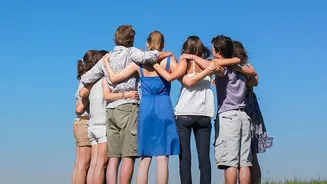

The Power of Moving as One
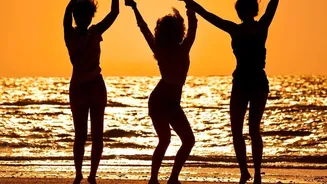
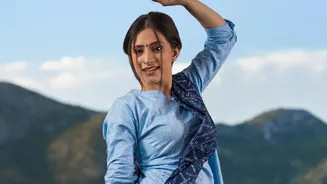
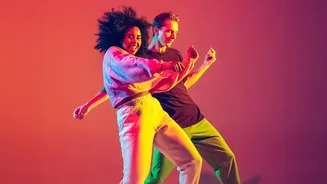
At the heart of group dancing is a powerful phenomenon known as interpersonal synchrony—the simple act of moving together in time with others. Whether it’s the coordinated steps of Garba or the unified rhythm of a Zumba class, this synchronisation is a fundamental
social glue. Research shows that when we move in time with others, our brains begin to blur the lines between 'self' and 'other'. This creates a powerful feeling of being part of a larger whole, fostering feelings of closeness, trust, and cooperation almost instantly. Studies have found that even simple, synchronised movements, like tapping fingers in time with someone else, can make individuals feel more connected and trusting towards one another.
Your Brain on Dance: A Chemical Cocktail
The feeling of a 'dancer's high' is very real and is backed by powerful brain chemistry. The physical exertion of dancing triggers the release of endorphins, the body's natural painkillers and mood elevators. But when this exertion is combined with synchrony, the effect is magnified. Studies have shown that synchronised group activity leads to a greater release of these feel-good chemicals, which helps to explain why the positive feelings come on so quickly. In addition to endorphins, dancing can also trigger dopamine, which is linked to pleasure and reward, and oxytocin, often called the 'bonding hormone,' which promotes feelings of trust and connection. This chemical cocktail works together to reduce stress and anxiety while rapidly enhancing feelings of happiness and social connection.
Building Bonds Without Words
Group dancing creates a unique space for non-verbal communication and empathy. As you mirror the movements of those around you, you’re engaging in a form of physical empathy, which strengthens your ability to relate to others. This phenomenon is so powerful that studies have shown that it promotes prosocial behaviours, like helpfulness, even in very young children. Toddlers who were bounced in sync with an adult were subsequently more likely to help that adult. In adults, this translates to a greater sense of teamwork and cooperation. The French sociologist Émile Durkheim called this feeling 'collective effervescence'—a sense of shared euphoria and energy that unifies a group and helps build strong community bonds. It's the 'electricity' you feel in a crowd, a powerful, shared experience that makes you feel part of something bigger than yourself.
An Evolutionary Tool for Social Cohesion
The urge to dance together isn't just a modern pastime; it's a deeply ingrained human behaviour with evolutionary roots. For our ancestors, group rituals involving synchronised movement and music were essential for building social cohesion. These activities helped signal group identity, foster cooperation, and strengthen communities, which were all critical for survival. This may be why humans are so naturally susceptible to rhythm; even babies have an instinct to move to a beat. This ancient 'biotechnology' for binding groups together continues to serve the same function today, whether in traditional folk dances passed down through generations or in the spontaneous dance floors that erupt at celebrations. It reinforces our need to belong and connects us to a long history of human community.