





A Growing Global Crisis
The context for these new guidelines is a dramatic, four-fold increase in childhood and adolescent obesity since 1990. According to WHO data from 2024, an estimated 170 million young people between the ages of 5 and 19 are living with obesity globally.
The situation in India is particularly stark. The World Obesity Atlas 2026 reports that India ranks second globally, after China, with approximately 41 million children and adolescents affected by high body mass index (BMI). This isn't just about weight; it's a public health emergency linked to a projected rise in early-onset chronic conditions like hypertension and type 2 diabetes. The WHO's new standards aim to provide a clear, evidence-based framework for healthcare systems to address this escalating challenge.
Beyond Weight Loss: A Holistic Approach
A key shift in the new WHO guidelines is the move towards 'people-centred' care that goes beyond simply telling kids to lose weight. The recommendations emphasize improving overall health, well-being, and quality of life. This involves a multi-pronged strategy that strongly recommends structured support combining healthy eating, physical activity, and behaviour-change interventions. Crucially, these plans should be tailored to the individual child and their family, considering their specific needs, cultural context, and mental well-being. The guidelines also highlight the importance of respectful communication from healthcare providers to reduce the stigma and bullying that many children with obesity face.
A Cautious Stance on Medication and Surgery
The new standards draw a clear line based on age when it comes to more intensive treatments. For children under the age of 10, the WHO does not recommend pharmacotherapy (medication), bariatric surgery, or other weight-loss devices. The foundation of care for this younger age group is firmly rooted in lifestyle and behavioural support. For adolescents aged 10 to 19, the guidelines take a more nuanced but still cautious approach. Medication may be considered, but only if a comprehensive, supervised lifestyle program has not yielded the desired results. Similarly, bariatric surgery may be an option only in specific circumstances for adolescents with severe obesity, and it requires strict conditions and long-term follow-up.
Implications for India
With childhood obesity rates in India growing at one of the fastest rates globally, these WHO guidelines provide a critical roadmap for national health policy. Experts have pointed to several driving factors in the country, including the fact that 74% of adolescents do not meet recommended physical activity levels and the increasing availability of processed foods. The WHO's focus on integrated primary healthcare means that the first point of contact for families—their local doctor or clinic—will be vital. Adopting these standards would require training healthcare professionals to deliver this more holistic, empathetic care and shifting the focus from blame to support. It also reinforces the need for broader public health policies, such as ensuring healthier school meals and regulating food marketing, which the WHO notes are essential complements to clinical treatment.
Empowering Families and Caregivers
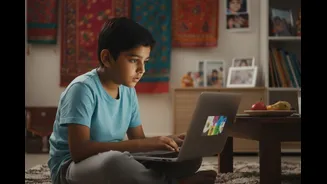
For parents and caregivers, these guidelines signal a move towards a more collaborative and less judgemental approach from the medical community. The emphasis on tailoring interventions to a child's needs means care should become more personalised and sustainable. The WHO also conditionally recommends digital health interventions, such as fitness apps, but only with parental supervision to ensure they are used constructively. The guidelines encourage health workers to build trust by asking for permission before discussing weight, a simple step that empowers the child and family in their own health journey. The ultimate goal is to create a supportive environment, both at home and in the clinic, that lays the foundation for lifelong health.