




The Telltale Signs of Over-Exfoliation
Exfoliation’s job is to remove the outermost layer of dead skin cells, but when done too often or too aggressively, it strips away your skin’s natural protective barrier. This barrier, made of lipids and skin cells, is crucial for keeping moisture in and irritants
out. When it's compromised, your skin will send out clear distress signals. One of the most common signs is redness and irritation; your skin might feel sore or sting when you apply products that normally feel fine. Another surprising sign is a tight, waxy, or overly shiny appearance. This isn't a healthy glow; it's a sign that your skin is stripped and exposed. You may also experience increased dryness, flakiness, rough patches, and even new breakouts as your skin's balance is thrown off. In some cases, your skin might overproduce oil to compensate for the dryness, leading to an unwanted cycle of irritation and blemishes.
How to Heal a Damaged Skin Barrier
If you recognize these symptoms, the first and most important step is to stop exfoliating immediately. Put away all physical scrubs, exfoliating acids (like AHAs and BHAs), and retinoids for at least a week or two, or until the irritation subsides. During this recovery period, simplify your skincare routine down to the gentle basics. Use a mild, hydrating cleanser, a soothing moisturiser, and a broad-spectrum sunscreen every single day. The goal is to do less, not more. Your skin has a natural ability to heal, and your job is to create a calm, protected environment for it to do so. Avoid any products with alcohol or strong fragrances, which can cause further irritation. Focus on ingredients that soothe and repair, such as ceramides, hyaluronic acid, niacinamide, and aloe vera.
The Art of Exfoliating Correctly
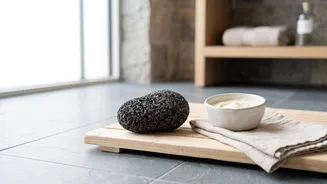
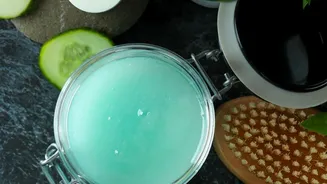
Once your skin has fully recovered, you can slowly reintroduce exfoliation. The key is moderation. For most people, exfoliating one to three times a week is plenty. If you have dry or sensitive skin, once a week is a good starting point. There are two main types of exfoliants: physical and chemical. Physical exfoliants use small particles (like sugar or jojoba beads) or tools to manually scrub away dead skin. These can provide instant smoothness but can also cause micro-tears if the particles are too coarse or you scrub too hard. Chemical exfoliants use acids (like glycolic, lactic, or salicylic acid) to dissolve the bonds holding dead skin cells together. They can be gentler and more uniform, especially for sensitive or acne-prone skin. Whichever you choose, start slowly and pay close attention to how your skin responds.
Why Moisturiser Is the Crucial Final Step
This brings us to the most critical part of the process: moisturising. Exfoliation, by its very nature, removes not just dead cells but also some of the natural oils that keep your skin hydrated. Failing to replenish this moisture can leave your skin feeling tight, dry, and vulnerable. Applying a good moisturiser immediately after you exfoliate is non-negotiable. It helps to rehydrate the fresh layer of skin, restore the protective barrier, and lock in moisture to prevent further dryness and irritation. This step soothes the skin and enhances the glowing results of exfoliation by ensuring the new skin cells are plump and hydrated. Look for moisturisers with nourishing ingredients like ceramides, hyaluronic acid, shea butter, or squalane to give your skin the support it needs.