





Why Monsoon Produce Is Different
The magic of the monsoon—the high humidity, constant moisture, and overcast skies—creates a challenging environment for fresh produce. The combination of warmth and dampness is the perfect breeding ground for bacteria, mould, and fungi, causing food to
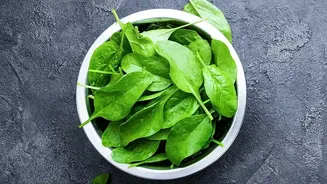
spoil much faster. Heavy rains can lead to waterlogged fields, contaminating vegetables with soil-borne pathogens even before they are harvested. Transport and storage become equally tricky; produce can sit in damp conditions for extended periods, leading to wilting, decay, and a significant loss of nutritional value. Leafy greens like spinach and cabbage are particularly vulnerable, as their layered leaves can trap mud, moisture, and microbes, making them difficult to clean thoroughly.
The Hidden Costs of a ‘Bargain’
That discounted bundle of slightly wilted greens or soft tomatoes may seem like a good deal, but it carries hidden risks. Tired-looking produce is often a sign of spoilage, which means it could be harbouring harmful bacteria like E. coli or Salmonella. Consuming such contaminated food is a leading cause of gastrointestinal issues like food poisoning, diarrhoea, and other stomach infections that see a spike during the rainy season. Beyond the immediate health risks, older produce has a lower nutritional profile. Vitamins, especially water-soluble ones like Vitamin C, degrade over time and with exposure to air and moisture. So, while you may be saving a few rupees, you are losing out on both safety and essential nutrients.
Your Guide to Spotting Freshness
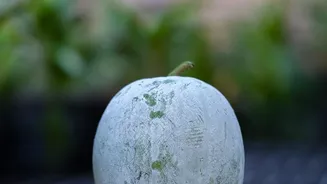
Becoming a savvy monsoon shopper is all about using your senses. Look for vegetables that are firm, brightly coloured, and free from bruises, mould, or soft spots. Avoid anything that appears wilted, excessively wet, slimy, or has an unpleasant smell. For leafy greens, the leaves should be crisp and vibrant, not limp or yellowing. For gourds like lauki (bottle gourd) and karela (bitter gourd), the skin should be firm and smooth. Hard-skinned vegetables are generally a safer bet during this season as they are less susceptible to contamination and spoilage. It's also wise to avoid pre-cut vegetables, as the exposed surfaces are more vulnerable to bacterial growth in the humid air.
Best Vegetables for the Season
Embracing seasonal produce is a great strategy. Nature provides vegetables that are naturally hardier and thrive during this time. Gourds are a monsoon staple for a reason; bottle gourd (lauki), bitter gourd (karela), pointed gourd (parwal), and ridge gourd (tori) are all excellent choices. They have tough skins that protect them and are packed with nutrients. Other good options include okra (bhindi), cluster beans (guar phali), and cucumber (kakadi), which are typically harvested during the monsoon and are at their freshest. These vegetables not only hold up better against the weather but also support immunity, which is crucial during a season known for colds and infections.
The Crucial Final Step: Washing and Storing
Bringing fresh produce home is only half the battle. Proper cleaning is non-negotiable. Rinse all vegetables thoroughly under running water to remove dirt. For leafy greens, a common practice is to soak them in a bowl of water with a bit of salt or vinegar for about 15 minutes before rinsing again. This helps dislodge hidden microbes. After washing, pat everything dry with a clean cloth before storing. Moisture is the enemy, so never store wet vegetables in the refrigerator. Store them in breathable bags or wrapped in paper towels to absorb excess moisture. Given how quickly things can spoil, it is better to buy smaller quantities more frequently rather than stocking up for the week.