



Why Monsoon Demands Extra Caution
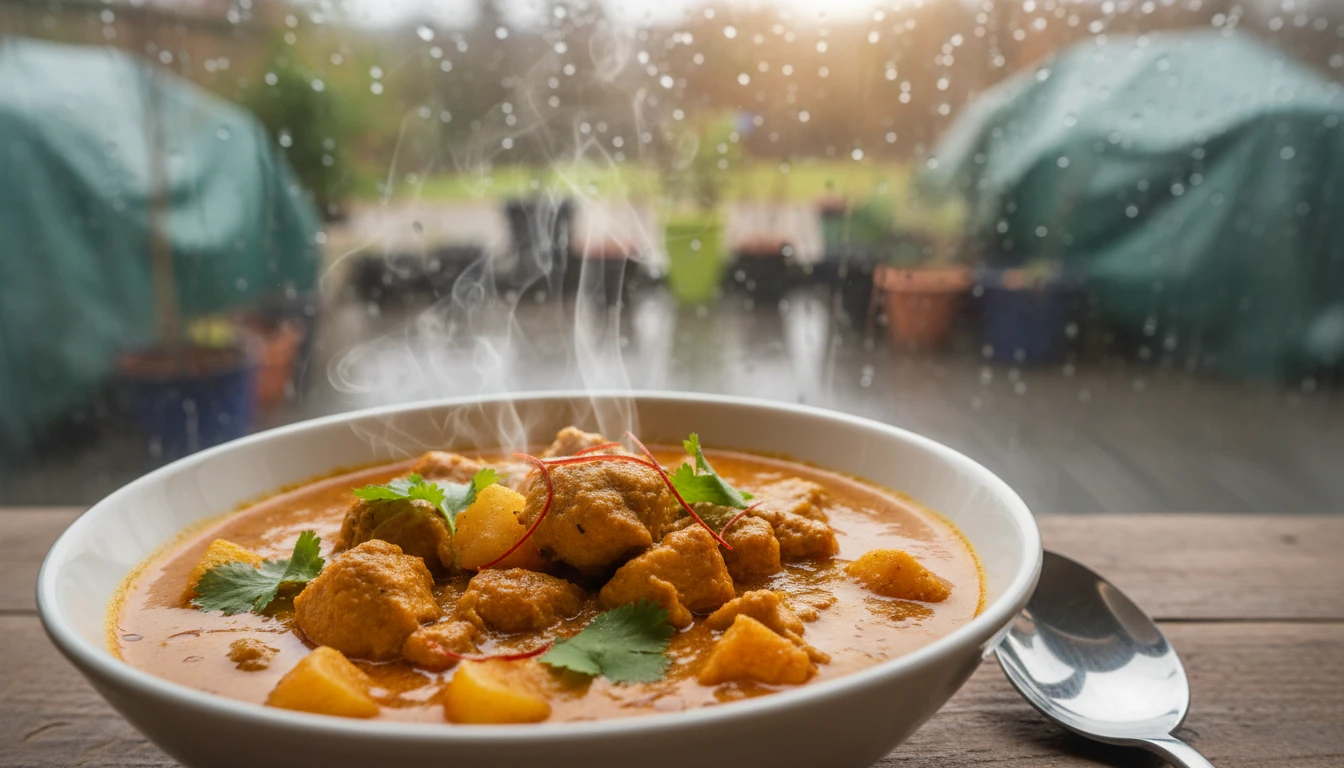
The rainy season, while a relief from the summer heat, poses unique challenges to food safety. The combination of high humidity and ambient warmth creates an ideal environment for bacteria, viruses, and fungi to thrive. This is particularly true for produce
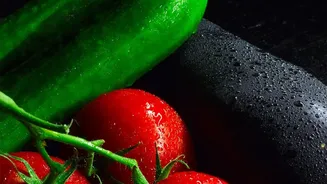
like cucumbers and tomatoes, which have high moisture content. During the monsoon, rainwater can contaminate water supplies used to wash vegetables, and the damp conditions during transport and storage can promote microbial growth. Pathogens such as E. coli, Salmonella, and various parasites become more prevalent, increasing the risk of foodborne illnesses like gastroenteritis, diarrhoea, and typhoid if produce is not handled correctly. Even vegetables that look clean on the surface can harbour these invisible threats, making thorough cleaning a non-negotiable step before they land on your plate.
A Step-by-Step Guide to Cleaning
Following a systematic approach to cleaning your cucumbers and tomatoes can significantly reduce health risks. Start by washing your own hands with soap and warm water for at least 20 seconds. Then, place the vegetables under cool, running water. It's crucial to avoid hot water, as it can cause the produce to absorb bacteria into its cells. For firm vegetables like cucumbers, use a clean produce brush to gently scrub the surface, removing any embedded dirt or microbes. For softer items like tomatoes, a gentle rub with your hands under the running water is sufficient. Experts, including the Food Safety and Standards Authority of India (FSSAI), emphasize that the mechanical action of rubbing under clean, potable water is one of the most effective ways to clean produce. After washing, dry the vegetables with a clean cloth or paper towel to remove any remaining moisture before cutting or eating them.
The Debate: Plain Water, Salt, or Vinegar?
While many commercial vegetable washes are available, research has shown they are often no more effective than plain tap water. However, some home-based solutions can offer added benefits. Soaking vegetables in a salt water solution (about one tablespoon of salt per litre of water) for 10-15 minutes can help draw out hidden insects and remove some pesticide residues. Similarly, a solution of one part white vinegar to four parts water can act as a natural disinfectant, helping to reduce surface bacteria. If you use either of these methods, it's vital to rinse the produce thoroughly under running water afterward to remove any lingering salty or vinegary taste. The FSSAI does not recommend using soap or disinfectants on produce. For most households, a thorough wash under clean, running water is perfectly adequate for ensuring safety.
Beyond Washing: Smart Monsoon Habits
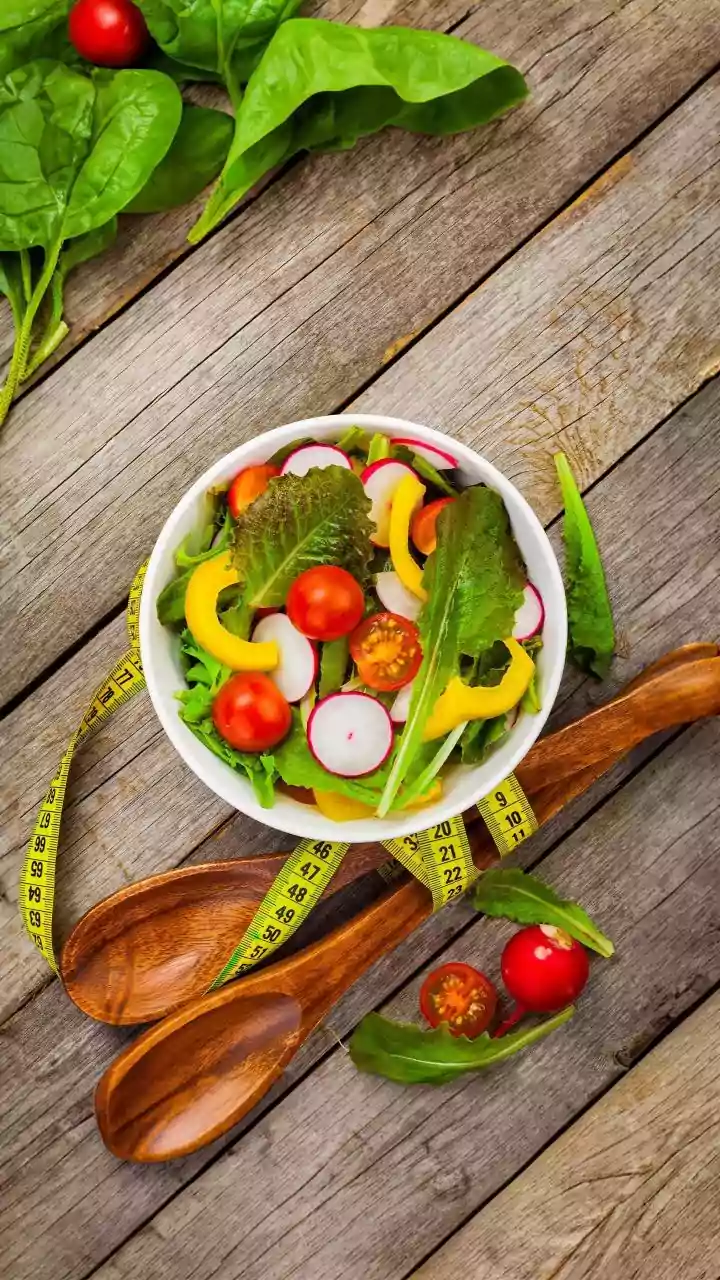
Proper cleaning is just one part of staying safe. When shopping, inspect produce carefully. Avoid buying cucumbers or tomatoes that are bruised, mouldy, slimy, or damaged, as these are signs of spoilage. At home, maintain kitchen hygiene by washing cutting boards, knives, and countertops with hot, soapy water before and after preparing raw vegetables. To prevent cross-contamination, use separate cutting boards for produce and raw meat. It's also best to wash vegetables just before you plan to eat or cook them, as washing too early can sometimes hasten spoilage. If possible, peeling cucumbers can provide an extra layer of safety. While many people enjoy raw salads, lightly steaming or cooking vegetables during the monsoon is the safest option, as heat effectively kills harmful pathogens.