


A New Name on the Tracks
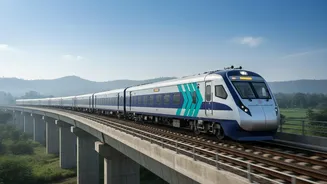
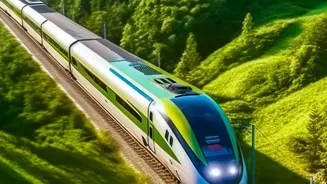
The Lucknow-Delhi Tejas Express has become the first train in India to officially carry a commercial brand name, now known for a limited time as the 'Sprite Tejas Express'. From August 19 to November 11, 2026, station announcements for this premium service
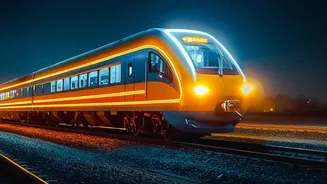
will use the new co-branded name. This initiative, born from a contract between the Indian Railway Catering and Tourism Corporation (IRCTC) and the beverage company, involves more than just advertisements inside the coaches. The train's exterior will feature vinyl wrapping with the brand's imagery, making it a highly visible, moving billboard across its entire route. This marks a significant shift from traditional advertising, where a brand becomes part of the train's very identity, albeit temporarily.
The Drive for Non-Fare Revenue
This move is a key part of Indian Railways' concerted effort to increase its non-fare revenue. Running one of the world's largest rail networks is incredibly expensive, and revenue from ticket sales alone is often insufficient to cover operational costs and fund modernization. Non-fare revenue refers to income generated from sources other than passenger fares and freight charges. This includes everything from renting out railway land and advertising at stations to, now, the full branding of trains. By monetizing its vast assets—which include thousands of stations and trains that travel millions of kilometers daily—Indian Railways aims to improve its financial health without directly increasing the burden on passengers.
IRCTC: The Commercial Engine
While Indian Railways owns and manages the core infrastructure like tracks and signals, IRCTC is its public-sector undertaking that handles the commercial and service aspects of the passenger experience. Originally focused on catering and tourism, IRCTC's role has expanded to include operating certain trains, like the Tejas Express, and spearheading monetization efforts. In this arrangement, IRCTC manages the branding contract with Sprite, while still paying Indian Railways the necessary charges for using its infrastructure. This deal perfectly illustrates IRCTC's mandate: to innovate and find new commercial opportunities within the railway ecosystem, turning operational assets into revenue-generating platforms.
A Broader Trend in Public Transport
The idea of co-branding public transport is not entirely new in India, though this is a first for a mainline train's official name. Metro systems in cities like Mumbai and Bengaluru have already been generating significant revenue by selling naming rights to stations. For instance, Mumbai Metro is set to earn over ₹200 crore from naming rights for five of its stations. These contracts allow brands to prefix their name to the station's name, feature on maps, and be included in announcements. The 'Sprite Tejas Express' takes this concept from a fixed location to a moving asset, tapping into a new, dynamic advertising model that has been tested in the past with campaigns like the 'Airtel Kurkure Express' and Coca-Cola's 'Happiness Express', which involved decorative wraps but not official name changes.
The Passenger Perspective
For passengers, the most immediate change will be the name they hear in announcements and see on display boards. The core service, operations, and ownership of the train remain unchanged; this is a branding exercise, not a step towards privatization of the railway infrastructure. The primary goal is to generate funds that can be reinvested into the railway system, potentially leading to better amenities and services without fare hikes. However, the move also sparks a conversation about the commercialization of public spaces. While some may see it as a smart financial strategy, others might view it as an intrusion of advertising into the cultural fabric of train travel. The success of this experiment will likely determine how widespread this practice becomes across the Indian Railways network.