







The Shifting Sands of Visa Rules
For years, visa-free access and visa-on-arrival facilities have made spontaneous international travel a reality for many Indians. These simplified entry options reduce paperwork and allow for last-minute holiday planning. However, 2026 has seen a notable
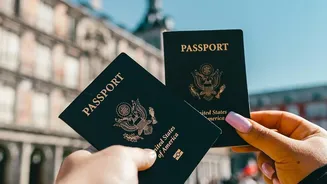
shift, with four countries revising their open-door policies for Indian passport holders. While these nations remain accessible, the process of getting there now requires more planning and prior approval. According to the Henley Passport Index, these changes have contributed to a slight adjustment in India's passport ranking. As of July 2026, Indian citizens have simplified access to 55 destinations worldwide, down from 57 in the previous year. This trend underscores the importance for all travellers to stay updated on the latest entry requirements. Here’s a detailed look at the countries that have changed their rules and what it means for your travel plans.
1. Iran: Visa-Free Entry Suspended
Iran, a country rich in Persian history, stunning architecture, and vibrant culture, was a unique destination offering visa-free entry to Indian travellers. This facility allowed for a straightforward travel experience without the need for advance visa applications. However, this policy has been suspended. Indian citizens holding an ordinary passport must now obtain a visa before departing for Iran. The change was implemented following updates to the country's security-related entry protocols. Some reports also suggest the previous visa-waiver program was misused, leading to the policy revision. For those planning to explore the ancient ruins of Persepolis or the bustling bazaars of Isfahan, the new process involves applying for a visa through the appropriate channels, which means factoring in additional time for paperwork and approval before booking your flight.
2. Bolivia: Visa-on-Arrival Replaced with e-Visa
The dramatic landscapes of Bolivia, from the otherworldly Salar de Uyuni salt flats to the Amazon basin, have long attracted adventurous travellers. Previously, Indian citizens could take advantage of a visa-on-arrival facility, making it a relatively accessible South American destination. That convenience has now been replaced with a mandatory e-visa requirement. Indian passport holders must now complete an online application, upload the necessary documents, and receive visa approval before travelling to Bolivia. While an e-visa is still more streamlined than a traditional sticker visa process, it removes the element of spontaneity. Travellers can no longer simply arrive at the border and get their visa. This change requires you to plan your trip further in advance to ensure your digital authorisation is secured.
3. Cape Verde: No More Visa-on-Arrival
The stunning archipelago of Cape Verde, located off the northwest coast of Africa, is known for its warm climate, volcanic landscapes, and beautiful beaches. It was a popular destination for those seeking a unique island getaway, partly thanks to its visa-on-arrival policy for many nationalities, including Indians. However, starting from January 1, 2026, Cape Verde ended its visa-on-arrival facility for citizens of 96 countries, India included. This means that Indian travellers wishing to visit the islands must now obtain a visa before their arrival. Arriving without a pre-approved visa could result in being denied entry. This policy shift brings Cape Verde in line with more stringent international travel regulations and requires visitors to complete the visa process through an embassy or consulate ahead of their journey.
4. Nicaragua: Prior Approval Now Required
Nicaragua, a land of lakes, volcanoes, and colonial-era cities in Central America, has also tightened its entry requirements for Indian citizens. The country has withdrawn its visa-on-arrival option, which had previously simplified travel for Indians. Under the new rules, travellers are required to secure prior approval directly from Nicaragua's immigration authorities before embarking on their trip. This is a significant change, as it's not just about applying for a visa but obtaining a specific clearance. This pre-approval is mandatory, and airlines will likely require proof of it before allowing you to board a flight destined for the country. This extra step adds a layer of bureaucracy that potential visitors need to navigate well before their intended travel dates.