




The Soul of Indian Condiments
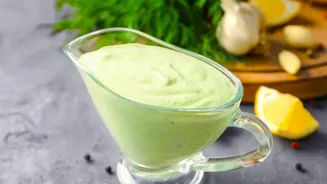
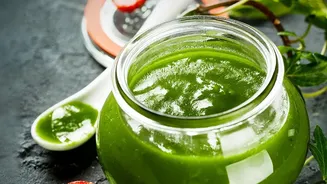
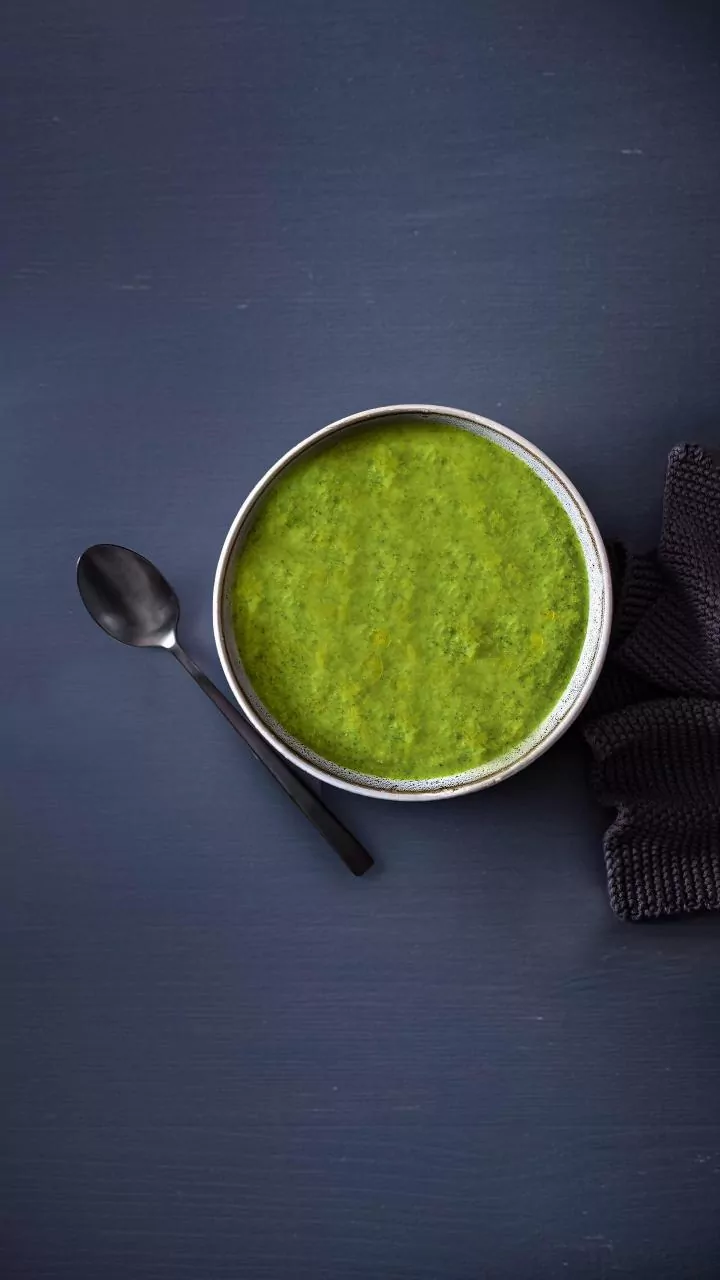
Green chutney, or hari chutney, is a cornerstone of Indian cuisine. A bright, fresh blend of coriander, mint, chilli, and lime, it’s the ubiquitous condiment that accompanies everything from samosas and chaat to sandwiches and grilled meats. Its fresh,
zesty profile is designed to cut through richness and add a burst of flavour. While a basic green chutney is always good, a great green chutney is a game-changer. The secret doesn't lie in a complex array of new ingredients but in a simple technique applied to a familiar one: roasting your cumin.
The Two Faces of Cumin
Cumin, or jeera, is a fundamental spice, but it has a dual personality. Raw cumin seeds, and the powder ground from them, are earthy, sharp, and slightly bitter. They provide a foundational, pungent note that is essential but can be a bit harsh on its own. Roasted cumin, known as 'bhuna jeera' in Hindi, is something else entirely. By dry-roasting the seeds before grinding, you transform the spice. The harsh edges soften, and a deep, nutty, and smoky aroma is released. This process creates a more complex and balanced flavour profile that is warmer and more aromatic. It's the difference between a background note and a captivating melody.
Why Roasting Unlocks Deeper Flavour
The magic of toasting spices is rooted in chemistry. When you heat whole cumin seeds in a dry pan, you trigger several reactions. First, the heat activates and releases volatile oils locked inside the seeds. These oils are responsible for the spice's aroma and taste, and warming them makes these compounds more pronounced. Second, you initiate the Maillard reaction, the same chemical process that gives seared meat and toasted bread their delicious brown colour and complex flavour. This reaction creates new flavour compounds that simply don't exist in the raw spice, adding layers of nutty, roasted depth. The process also drives off any residual moisture, concentrating the flavour and making the spice more potent.
How to Make Perfect Green Chutney
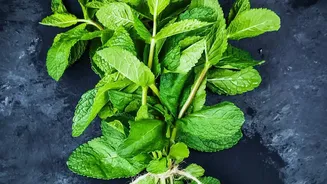
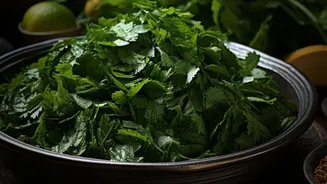
Incorporating this technique is simple. Before you start your chutney, take a small, dry pan and place it over medium heat. Add whole cumin seeds and toast them, shaking the pan constantly for 1-2 minutes until they darken slightly and release a fragrant, nutty smoke. Let them cool completely before grinding them into a powder; grinding them while hot can create a gummy texture. Now, you're ready to make the chutney. To a blender, add 2 cups of packed coriander leaves (with tender stems), 1 cup of packed mint leaves, 2-3 green chillies, a small piece of ginger, and the juice of half a lime. Add your freshly roasted and ground cumin powder, a pinch of salt, and a tablespoon or two of cold water to help it blend. Blitz until you have a smooth, vibrant paste. The resulting chutney will have the freshness you expect, but with an added layer of smoky warmth that makes it truly exceptional.
Beyond the Chutney
Once you have a batch of homemade roasted cumin powder, you’ll find endless uses for it. It's the secret ingredient that makes restaurant-style raita (yogurt dip) so delicious, providing an earthy counterpoint to the cooling yogurt. Sprinkle it over chaat, fresh fruit salads, or even a simple bowl of dahi (plain yogurt) and rice. It can be stirred into lemonade (nimbu paani) or buttermilk (chaas) for a savoury, digestive kick. Keeping a small jar of bhuna jeera on hand is one of the easiest ways to add instant depth and a signature Indian flavour to a wide variety of dishes, elevating them from simple to sublime.