



A Boost for Monsoon Digestion
One of the most common complaints during the rainy season is a sluggish digestive system, leading to bloating and constipation. This is where papaya truly shines. The fruit contains a powerful natural enzyme called papain, which helps break down proteins,
making them easier for your gut to process. This can be particularly helpful when your metabolism feels slower in the damp weather. Furthermore, papaya is rich in dietary fibre and has a high water content, both of which are essential for maintaining regular bowel movements and preventing constipation. Think of it as a gentle, natural way to keep your digestive system running smoothly when it needs the most support.
Your Immunity’s Rainy Day Friend
With the monsoon comes an increased risk of colds, flu, and other seasonal infections. A strong immune system is your first line of defence, and papaya is an excellent source of the nutrients it needs. The fruit is packed with Vitamin C, a powerhouse antioxidant known for supporting the production and function of white blood cells that fight off pathogens. In fact, a single medium-sized papaya can provide more than 200% of your daily required intake of Vitamin C. It's also a good source of Vitamin A, another crucial nutrient for a healthy and functional immune system, helping your body fend off bacterial and viral illnesses.
Clearing Up the Monsoon Myths
Papaya is often surrounded by myths, especially in India. One common belief is that it should be avoided during pregnancy. This is only partially true; unripe or semi-ripe papaya contains high levels of latex, which can potentially stimulate uterine contractions. However, fully ripe papaya, consumed in moderation, is generally considered safe and nutritious during pregnancy. Another widespread myth, particularly during monsoon, is that eating papaya fruit can cure dengue by increasing platelet count. While some early research has explored papaya leaf extract for this purpose, there is no strong scientific evidence that eating the fruit itself can treat dengue. It is vital to rely on medical treatment for serious illnesses and view papaya as a nutritious part of a balanced diet, not a cure.
More Than Just Digestion
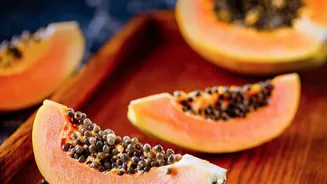
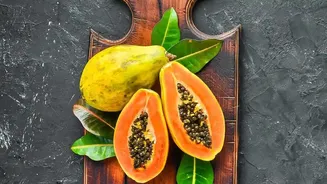
Beyond immunity and digestion, papaya offers a wealth of other benefits that make it a smart addition to your diet. It is relatively low in calories and high in fibre, which helps you feel full for longer, making it a useful choice for weight management. The fruit is also a good source of potassium, a mineral that helps relax blood vessels and can support heart health. Its bright orange flesh is a sign of carotenoids like beta-carotene and lycopene, powerful antioxidants that help protect your body's cells from damage caused by free radicals. These nutrients also contribute to healthy skin and eyes, adding to the fruit's all-around goodness.
How to Enjoy Papaya Safely This Season
Food safety is paramount during the monsoon, as the high humidity increases the risk of contamination. To enjoy papaya safely, always choose fresh, firm fruits without blemishes. Wash the fruit thoroughly under clean, running water before you cut it. It's best to avoid pre-cut fruits from roadside vendors, as they carry a higher risk of being exposed to contaminants. Once you cut a papaya at home, eat it fresh. If you have leftovers, store them in an airtight container in the refrigerator immediately. By following these simple hygiene practices, you can easily and safely incorporate this nutritious fruit into your monsoon diet.