






What is the New Filing?
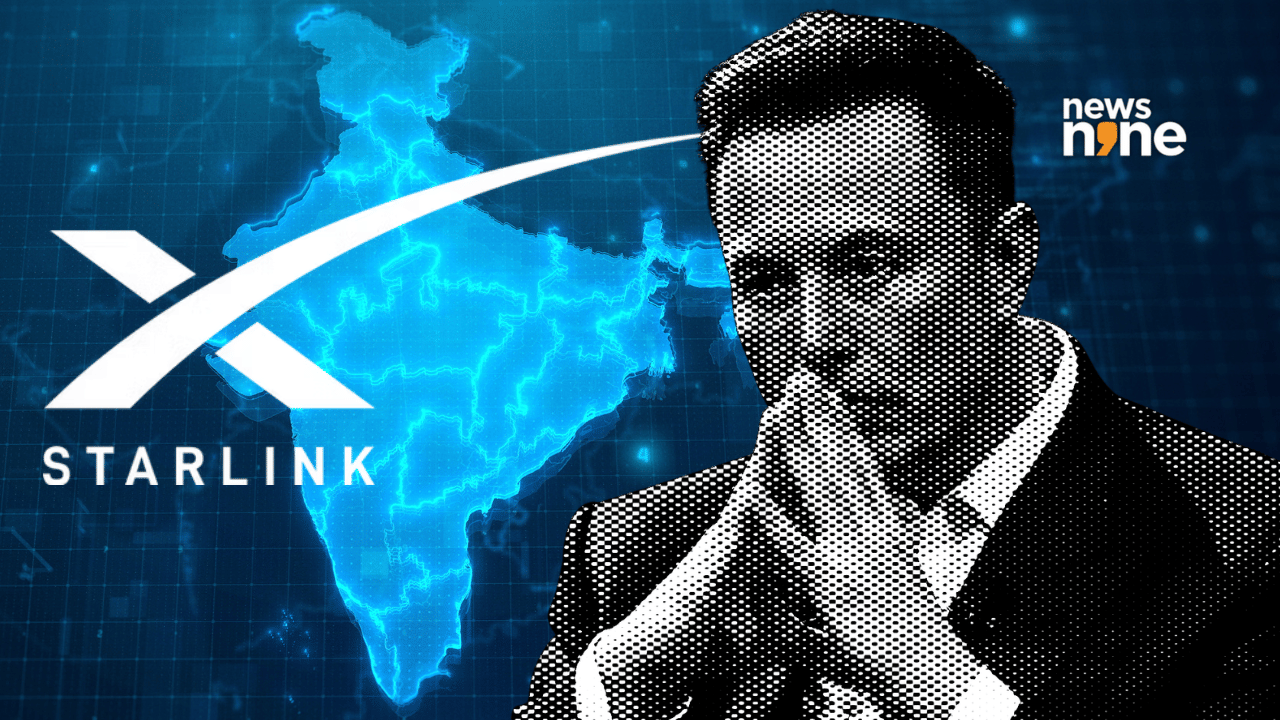
Starlink has reportedly submitted a fresh application to India’s space regulator, IN-SPACe, for its second-generation (Gen 2) satellite network. This isn't just a routine update; the filing crucially includes a provision for direct-to-device (D2D) connectivity.
This move amends Starlink's earlier strategy, which focused primarily on providing broadband internet via user terminals, often called dishes. The company had already secured its Global Mobile Personal Communication by Satellite (GMPCS) license in June 2025 and approval for its Gen 1 constellation, but the Gen 2 network with D2D represents a significant pivot. It shifts the focus from fixed satellite broadband for homes and businesses to connecting directly with the mobile phones already in people's pockets, dramatically expanding the potential market.
Demystifying Direct-to-Device (D2D)
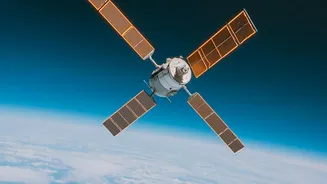
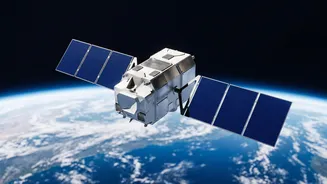
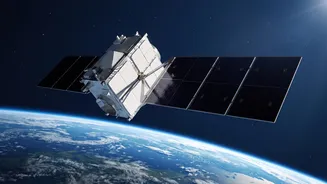
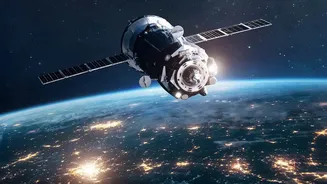
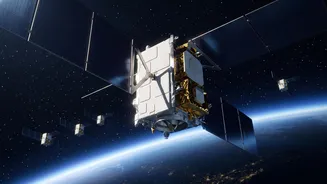
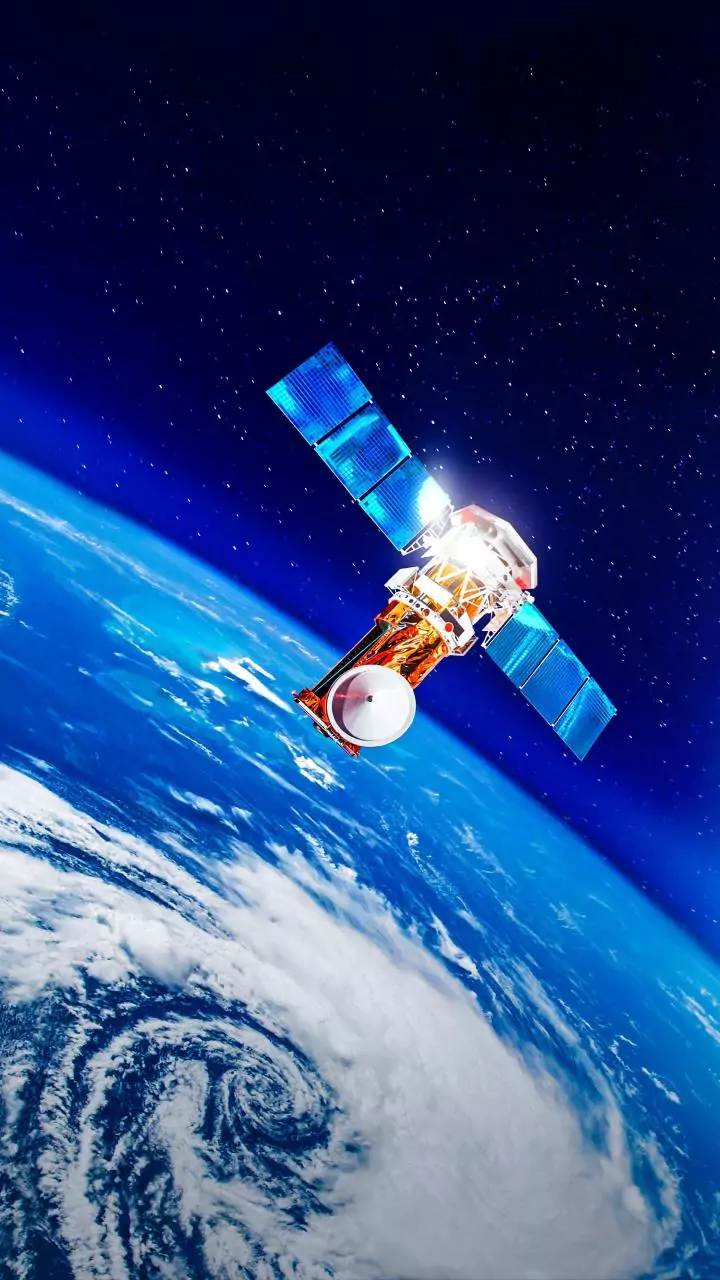
So, what exactly is direct-to-device technology? In simple terms, it allows a standard, unmodified smartphone to communicate directly with a satellite in low Earth orbit (LEO). This bypasses the need for traditional ground-based cell towers or any extra hardware like a satellite dish or a special dongle. Think of it as a 'cell tower in the sky'. Satellites equipped with advanced antennas can pick up signals from phones, even when they are far outside the reach of terrestrial networks. Initially, this capability will likely support basic services like text messaging and emergency SOS alerts, but the long-term goal for providers like Starlink is to offer voice and data services, effectively ending the concept of a mobile 'dead zone'. This technology is a game-changer for providing a layer of network resilience, especially in disaster-prone areas or remote regions.
The Battle for India's Sky
Starlink's move does not happen in a vacuum. India's satellite communications market is heating up, with formidable players staking their claims. Reliance Jio, through its joint venture with SES, is planning its own LEO satellite constellation of about 1,650 satellites to deliver broadband and mobile services under JioSpaceFiber. Meanwhile, Bharti Enterprises is a major shareholder in Eutelsat OneWeb, another global LEO satellite operator that has already received its GMPCS license and is preparing to launch services in India. Amazon's Project Kuiper is another global giant awaiting regulatory clearance to enter the market. Starlink's D2D proposal directly competes with the ambitions of these players, turning the race for satellite broadband into a three-way fight between global tech titans and India’s powerful domestic telecom incumbents.
Navigating the Regulatory Maze
Despite the ambitious filing, a commercial launch is not imminent. Starlink still faces significant regulatory hurdles. The Gen 2 network and its D2D component require fresh approval from IN-SPACe. Beyond that, the company needs final security clearances from the Ministry of Home Affairs, which is carefully scrutinizing foreign-controlled networks to ensure they comply with India's data security and lawful interception requirements. A crucial, and still debated, piece of the puzzle is spectrum allocation. The Department of Telecommunications (DoT) has confirmed that a license does not automatically grant the right to use spectrum, which must be assigned separately. How the government decides to allocate this valuable resource—and at what cost—will be a key factor in determining the future of D2D services in the country.
The Promise: An End to the Digital Divide?
The ultimate promise of satellite direct-to-device technology is universal connectivity. For a country like India, where nearly half the population still lacks internet access and many rural and remote regions remain unconnected, the potential is immense. This technology could provide a vital lifeline in areas where building fibre optic cables or mobile towers is economically or geographically unfeasible. It stands to benefit not just individual consumers but also critical sectors like agriculture, logistics, disaster management, and healthcare. While satellite connectivity won't replace dense urban 5G and fibre networks, it aims to act as a crucial safety net, ensuring that every Indian, from remote mountain villages to coastal communities, can access the digital world.