


The Snake Plant
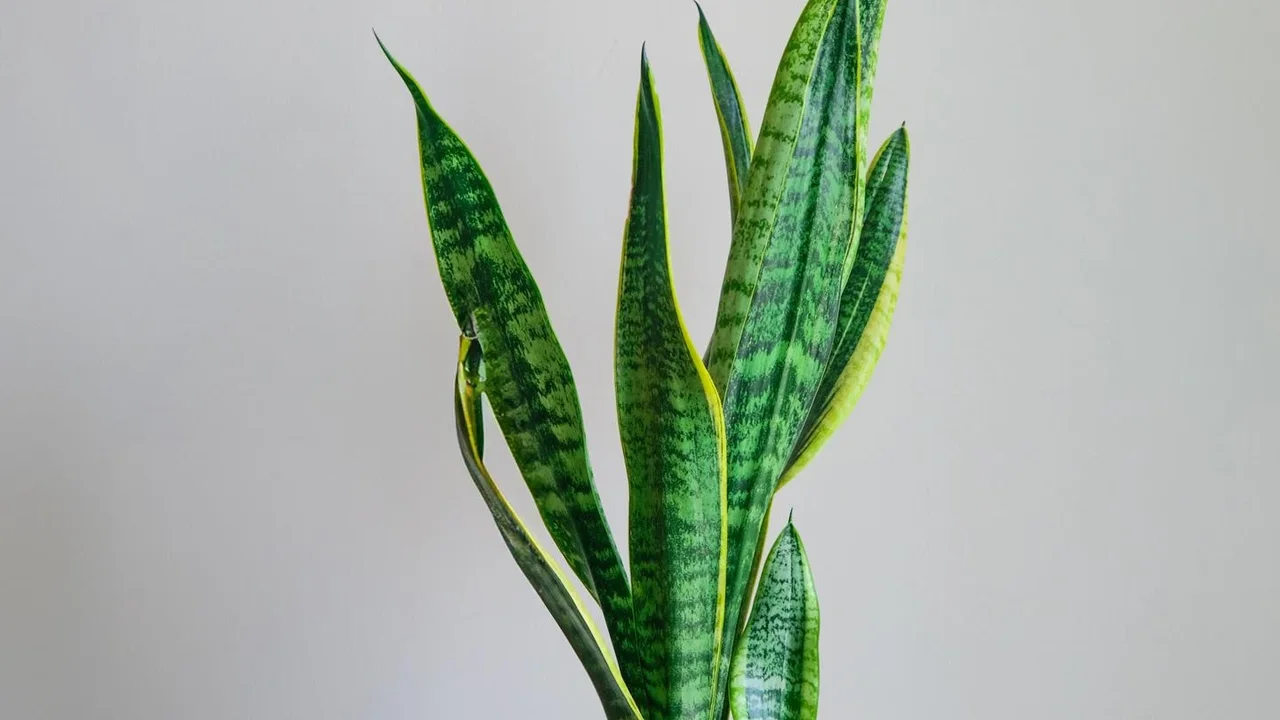
Known as one of the most indestructible houseplants, the Snake Plant (Dracaena trifasciata) is perfect for beginners. Its appeal lies in its strong, upright leaves that have a sculptural, modern quality. Available in various forms, some with yellow or silver-streaked
variegation, it provides a clean, architectural element to any room. Beyond its good looks, the Snake Plant is a hardworking air purifier, known to filter indoor air and even release oxygen at night, making it an excellent choice for bedrooms. It is remarkably tolerant of low light, although it prefers bright, indirect sunlight to truly thrive. Its greatest enemy is overwatering; it's best to let the soil dry out completely between waterings, making it the ideal plant for those who are busy or forgetful. This plant's resilience and striking form make it a go-to for adding a touch of green without the fuss.
The Money Plant
A staple in many Indian homes, the Money Plant (Epipremnum aureum) is beloved for its fast-growing, trailing vines and heart-shaped leaves. It is incredibly versatile; you can let it cascade from a hanging basket, train it to climb a wall, or simply place it on a shelf to spill over. This adaptability makes it perfect for adding a lush, jungle-like feel to any corner. The Money Plant is famously easy to care for and propagates with ease from cuttings placed in soil or even just a bottle of water. While it is often associated with bringing good luck and prosperity, its practical benefits are just as compelling. It's an effective air purifier, adept at removing common household toxins. It thrives in a variety of light conditions, from low light to bright, indirect sun, and prefers for its soil to dry out slightly between waterings.
The Areca Palm
For those looking to make a bigger statement, the Areca Palm (Dypsis lutescens) brings a touch of the tropics indoors. With its feathery, arching fronds, it creates an instant feeling of softness and elegance. A well-placed Areca Palm can fill an empty corner, adding height and texture while acting as a natural humidifier by releasing moisture into the air. It prefers bright, indirect light, as direct sun can scorch its delicate leaves. Consistent moisture is key, so it's important to water when the top layer of soil feels dry, but to avoid letting the plant sit in soggy soil. It's a fantastic choice for living rooms or spacious bedrooms where its graceful form can be fully appreciated, helping to create a calm, resort-like atmosphere.
The ZZ Plant
The ZZ Plant (Zamioculcas zamiifolia) is the epitome of a low-maintenance, high-impact plant. It boasts wide, dark green, glossy leaves that grow in a wand-like shape, giving it a unique and stylish appearance. The waxy finish on the leaves reflects light, which can help brighten up a dimmer space. The ZZ Plant is renowned for its ability to tolerate neglect; it is extremely drought-tolerant and can thrive in very low light conditions, making it perfect for offices or corners of your home that don't get much sun. It grows from large, water-storing rhizomes under the soil, which is why it requires infrequent watering—typically only once every few weeks when the soil is completely dry. Its robust nature and polished look make it a sophisticated addition to modern interiors.
The Peace Lily
The Peace Lily (Spathiphyllum) offers the best of both worlds: lush, glossy green foliage and elegant, white spoon-shaped flowers. These 'flowers' are actually modified leaves called spathes that provide a beautiful contrast to the dark leaves. The Peace Lily is not just beautiful; it's also one of NASA's top-recommended plants for air purification, effectively removing toxins like ammonia, benzene, and formaldehyde from the air. It's an expressive plant that conveniently droops its leaves slightly when it needs water, taking the guesswork out of its care routine. It thrives in medium to low indirect light and prefers consistently moist soil. Its graceful appearance and air-cleaning abilities make it a wonderful and functional addition to any home.
The Spider Plant
The Spider Plant (Chlorophytum comosum) is a classic for a reason. Its arching, ribbon-like leaves create a playful, fountain-like effect, and it’s especially charming in a hanging planter where its 'spiderettes'—small baby plants that dangle from the mother plant—can be showcased. These plantlets make propagation incredibly simple; they can be snipped off and potted to create new plants to share. Spider Plants are highly adaptable and forgiving, making them ideal for new plant owners. They prefer bright, indirect light but can tolerate lower light conditions. For watering, it's best to keep the soil lightly moist during spring and summer, allowing it to dry out a bit more in the cooler months. It's a cheerful and resilient plant that adds a dynamic, lively touch.