


What Exactly Is Light Pollution?
In simple terms, light pollution is the excessive or misdirected artificial light that floods our night-time environment. It comes in several forms: 'sky glow', the hazy orange or white dome you see over cities; 'glare', which is excessively bright light that can
be visually uncomfortable; and 'light trespass', when light spills where it's not wanted, like through a bedroom window. This stray light scatters in the atmosphere, brightening the night sky and effectively creating a veil between us and the stars. According to some estimates, more than 80% of the world's population lives under a light-polluted sky, which has doubled in brightness in some areas in less than a decade.
The Thief of Starlight
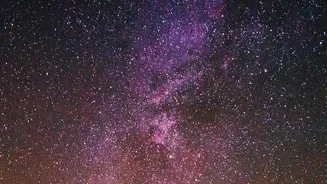
For astronomers and casual stargazers alike, light pollution is a major problem. It drastically reduces the contrast of the night sky, making it impossible to see fainter stars, nebulae, and distant galaxies. The human eye needs time to adapt to the dark to reach its peak sensitivity, but the constant presence of artificial light prevents this from happening. Think of it like trying to hear a whisper in a crowded, noisy room. The ambient 'noise' of light pollution drowns out the subtle details of the cosmos. Even the magnificent Milky Way, a sight that has inspired humanity for millennia, is completely invisible to a large portion of the population due to sky glow. The impact is so significant that astronomers use a nine-level system called the Bortle scale to classify sky darkness, from a 'Class 1' pristine sky to a 'Class 9' inner-city sky where only the Moon and brightest planets are visible.
Finding Your Dark Sky Sanctuary
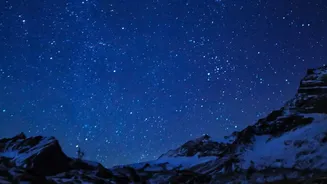
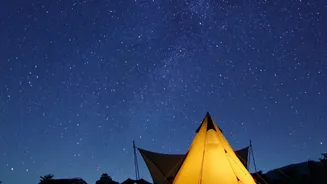
So, how do you escape the glow? The first step is location. Planning a trip at least 30-50 miles away from major urban centres is a good start. Online resources like the Light Pollution Map can be invaluable, showing you exactly where the darkest skies are. For a guaranteed experience, seek out an officially certified International Dark Sky Place. These are parks, reserves, and communities around the world recognised for their exceptional starry nights and commitment to reducing light pollution. In India, options range from the world-class Hanle Dark Sky Reserve in Ladakh, which boasts some of the clearest skies on Earth, to more accessible spots like Spiti Valley, the Rann of Kutch, and parts of the Nilgiri Hills. These high-altitude or remote locations offer the thin, clear air and minimal light interference needed for a truly spectacular show.
Timing and Tools for Success
Once you've chosen your destination, timing is everything. The phase of the Moon has a huge impact; a full Moon can be as disruptive as a small city, washing out all but the brightest stars. Always plan your trip around the new moon for the darkest possible conditions. You don't need expensive equipment to start. A good pair of binoculars can reveal stunning detail on the Moon, the moons of Jupiter, and countless star clusters. A red-light torch is also essential, as it allows you to see your surroundings without ruining your night vision, unlike the harsh white light from a phone. Finally, apps like PhotoPills or Stellarium can help you identify constellations and plan when celestial objects like the Milky Way will be visible.
More Than Just a Pretty View
While the loss of a starry sky is a cultural and aesthetic tragedy, the impact of light pollution goes further. It disrupts ecosystems by confusing the nocturnal activities of wildlife, from migrating birds to desert animals who use darkness as cover. For humans, excessive exposure to artificial light at night can disrupt our natural sleep patterns and has been linked to various health issues. By actively seeking out and advocating for dark skies, you're not just investing in a better holiday; you're contributing to the well-being of the planet and preserving a fundamental part of our natural heritage for future generations to enjoy.