



The Science of Sun-Soaked Fungi
Mushrooms have a magical ability that’s surprisingly similar to our own skin. They contain a compound called ergosterol, which is a precursor to vitamin D. When exposed to ultraviolet (UV) light, this ergosterol converts into ergocalciferol, more commonly
known as vitamin D2. This is the plant-based form of the vitamin. In contrast, humans and other animals produce vitamin D3 (cholecalciferol) from sunlight. While some studies suggest D3 may be more effective at raising and maintaining vitamin D levels in the body, D2 is still a valuable and effective nutrient, especially for those following a vegetarian or vegan diet.
The Problem with Commercial Mushrooms
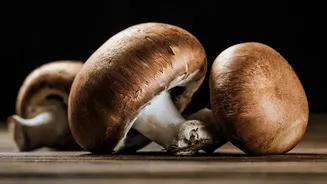
Here's where the confusion begins. Most commercially grown mushrooms, like the common white button, cremini, and portobello varieties, are cultivated in the dark. Without exposure to light, the ergosterol in them never gets the chance to convert into vitamin D. As a result, a standard punnet of mushrooms straight from the farm may contain almost no vitamin D at all. This is why simply adding regular mushrooms to your diet with the expectation of a vitamin D boost can be misleading. The potential is there, but it’s often unrealized.
A Simple Hack for a Big Boost
The good news is that you can easily supercharge your mushrooms at home. By placing them in direct sunlight for as little as 15 to 60 minutes, you can dramatically increase their vitamin D content. Slicing them before sunbathing increases the surface area exposed to UV rays, making the process even more efficient. Studies have shown this simple trick can boost vitamin D levels to well over 100% of the daily recommended intake in a single serving. The difference between a mushroom kept in the dark and one that has soaked up some sun is stark, creating a side-by-side nutritional comparison where one is a vitamin powerhouse and the other is not. Some producers have started doing this for you, selling pre-exposed, “high vitamin D” mushrooms, so be sure to check the packaging.
How Cooking and Storage Affects Vitamin D
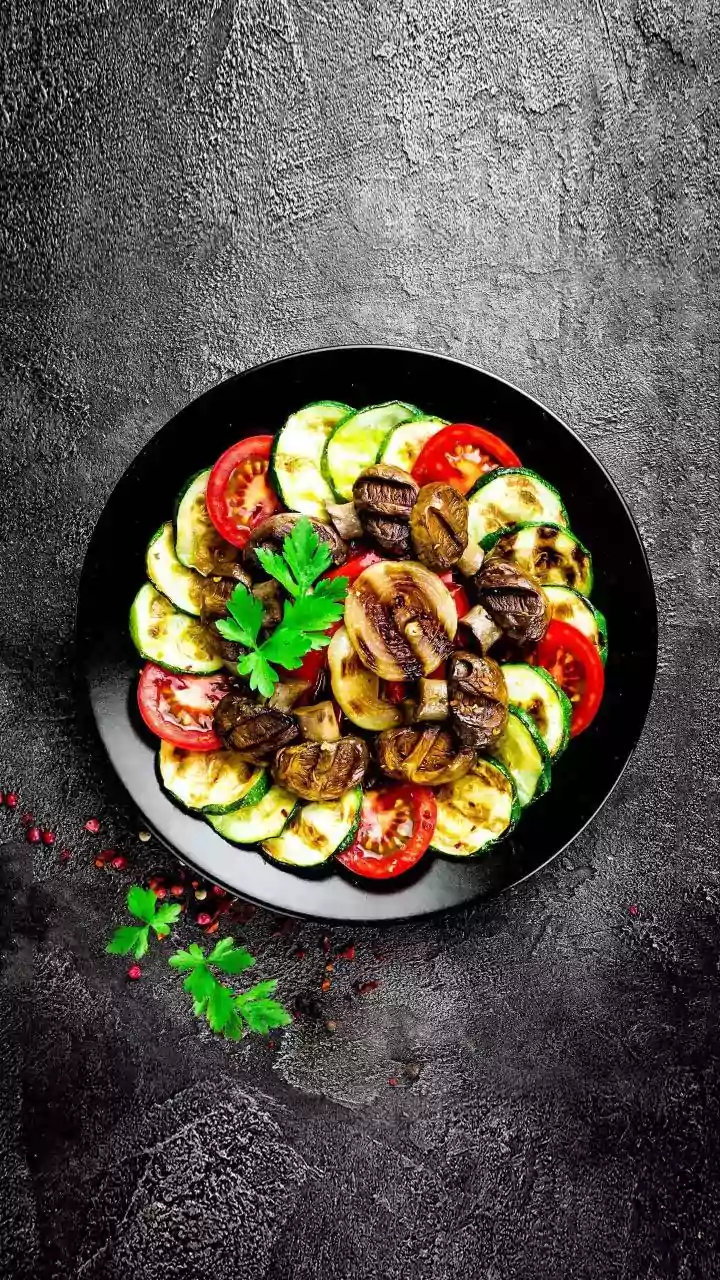
Once your mushrooms are rich in vitamin D, you'll want to preserve it. Fortunately, vitamin D2 is quite resilient. It holds up well to common cooking methods like sautéing, baking, and grilling. While some loss can occur, a significant portion of the vitamin remains, especially with dry-heat methods like roasting or pan-frying. Cooking mushrooms in fat, such as oil, may cause some of the fat-soluble vitamin to leach out, but overall retention is still good. What about storage? Dried mushrooms that were UV-exposed retain their high vitamin D levels for a long time, often over a year if stored in a cool, dark place. Even previously dried mushrooms can have their vitamin D levels increased by exposing them to sunlight.
Making Smart Mushroom Choices
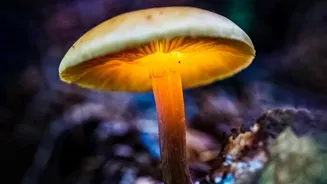
When you're at the store, how do you choose? Wild mushrooms like chanterelles and morels often have higher natural vitamin D levels because they grow in the sun. For cultivated varieties, look for labels that explicitly state they are “UV-treated” or “high in vitamin D.” If you buy standard mushrooms, remember the sunbathing trick before you cook them. Different types of mushrooms, such as shiitake or oyster, also produce vitamin D when exposed to light, so you can experiment with your favorites. The key takeaway is that the vitamin D content isn't a given—it's a result of deliberate exposure to light.