





What Exactly is Changing?
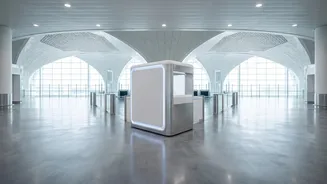
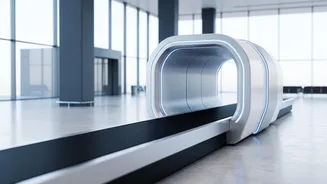
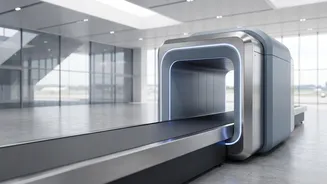
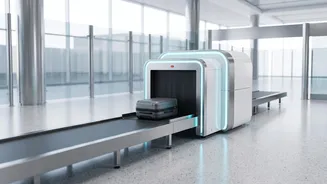
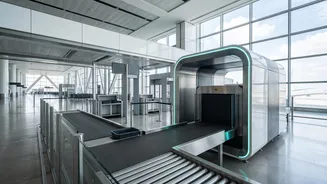
Dubai International Airport (DXB) is currently installing a new generation of advanced security scanners across its terminals. The key change for passengers is that these machines are designed to screen hand luggage without requiring travellers to remove
major items like laptops, tablets, and liquids. This upgrade aims to phase out the routine of unpacking and repacking bags at the security checkpoint, which is often a major bottleneck at one of the world's busiest international hubs. According to Dubai Airports CEO Paul Griffiths, the goal is to make the entire process "slicker, quicker, faster, and more convenient" for the millions who pass through.
How the New Technology Works
The new screening equipment uses advanced imaging technology, similar to CT scanners in hospitals, to create detailed 3D images of the contents of your bag. This allows security staff and sophisticated software to get a clear view of everything inside without it being physically removed. This move is part of a broader, ongoing technology upgrade at the airport. The rollout is happening gradually, with new machines replacing older ones as part of a continuous programme. While some scanners are already in place, travellers should still be prepared to follow the instructions at their specific security lane, as the transition is not yet complete across the entire airport.
Beyond Laptops: A Seamless Biometric Journey
The scanner upgrade is just one part of Dubai's vision for a more seamless airport experience. For several years, and particularly in partnership with Emirates, the airport has been implementing a 'biometric path'. This allows passengers who opt-in to use facial recognition to move through various checkpoints, including check-in, immigration, lounge access, and boarding, without repeatedly showing their passport and boarding pass. In some areas of Terminal 3, AI-powered 'smart corridors' allow registered travellers to clear immigration in seconds just by walking through a tunnel that scans their facial and biometric data. This system, which can process multiple people at once, represents a significant leap from traditional one-by-one passport control.
How Can Travellers Use This System?
The new laptop-in-bag scanners will be available to all passengers as they are rolled out at security points. However, the more comprehensive biometric journey is an opt-in service. For those flying with Emirates, registration can be done via the Emirates app with a quick selfie to match with your passport, or at check-in desks at the airport. Once registered, a digital profile is created, linking your face to your travel documents, which enables the contactless journey through dedicated 'Biometric Smart Zones' in Terminal 3. The use of these biometric systems remains voluntary; passengers who prefer not to use them can continue to use the traditional passport and boarding pass method.
What About Data Privacy?
Understandably, the increased use of biometric data raises questions about privacy. Airport and airline officials state that passenger data is protected. Emirates' biometric privacy statement notes that it links a passenger's face with other identifying data like passport information. Officials from Dubai's General Directorate of Residency and Foreign Affairs (GDRFAD) have stressed that they "completely protect" personal data from third-party access. The UAE has data protection laws that classify biometric data as sensitive and require explicit consent for its use. These regulations mandate that data should only be collected for specific purposes and deleted when no longer necessary, aligning with international data privacy practices.