



The Core of the Suggestion
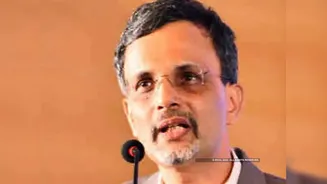
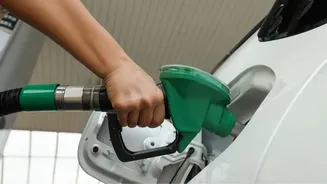
In a recent column, Chief Economic Adviser (CEA) V. Anantha Nageswaran, along with consultant Akash Poojari, proposed a dual-fuel strategy for India. The idea is to restore the availability of E10 petrol (a blend of 10% ethanol and 90% petrol) specifically
for older vehicles, while newer vehicles continue to use the current standard, E20 (20% ethanol). This isn't a call to abandon India’s ambitious ethanol blending programme but to introduce flexibility, acknowledging the mechanical reality of the millions of older motorbikes and scooters still on Indian roads. The suggestion comes after E20 became the sole petrol blend available nationwide from April 2026, a move aimed at reducing oil imports and curbing pollution.
Why Target Older Two-Wheelers?
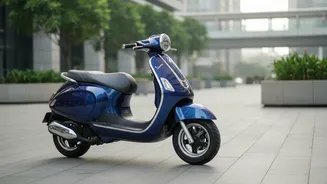
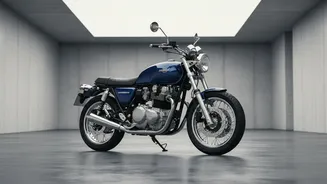
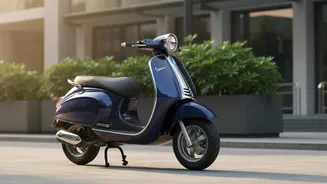
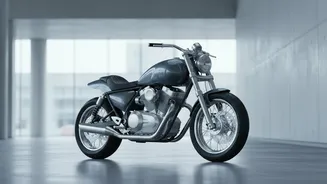
The focus is squarely on a massive fleet of 75-80 million pre-BS4 two-wheelers. Many of these vehicles use carburettors to mix air and fuel, unlike modern fuel-injection systems. The CEA's argument highlights a specific technical problem: carburettors cannot detect the higher oxygen content in E20 fuel and adjust the mixture accordingly. This leads to a 'lean' fuel mixture (too much air, not enough fuel), causing the engine to run hotter than it was designed for. Separately, there are concerns about older rubber and plastic components in the fuel system, such as seals and hoses, which were not designed to withstand the corrosive properties of higher ethanol concentrations and can degrade over time.
Balancing National Goals and Practical Realities
India’s push for E20 fuel is part of the Ethanol Blended Petrol (EBP) Programme, a key government initiative. The goals are threefold: enhance energy security by reducing the country's 85% dependence on oil imports, lower greenhouse gas emissions, and boost the agricultural sector by creating a large market for ethanol produced from crops like sugarcane and maize. The government successfully achieved its E20 blending target ahead of its original 2030 schedule. However, the CEA's proposal acknowledges the widespread consumer complaints about reduced mileage and potential engine issues since the E20 mandate. While Nageswaran dismisses claims of a 30% drop in mileage as exaggerated—placing the actual figure at 6-7%—he identifies the issue with older carburetted engines as a genuine concern that needs a policy solution.
The Challenges of a Two-Fuel System
Implementing this suggestion would not be simple. The Ministry of Petroleum has previously highlighted the logistical hurdles of supplying multiple fuel grades across a vast network of over 100,000 petrol pumps, terminals, and depots. Maintaining separate supply chains for E10 and E20 would increase costs, complicate inventory management, and reduce operational efficiency. Furthermore, while retrofitting an older two-wheeler with ethanol-compatible seals is relatively inexpensive, the sheer scale of the task is daunting. As the CEA noted, upgrading 75-80 million vehicles would take years, even if every workshop in the country started today. A dual-fuel approach is presented as a pragmatic interim solution to protect the existing fleet while a long-term retrofit or replacement programme catches up.
A Broader Debate on Biofuels
Beyond the immediate issue of vehicle compatibility, the proposal has also sparked a wider conversation about the long-term sustainability of India's biofuel strategy. Nageswaran and Poojari urged a thorough assessment of the 'food-versus-fuel' trade-off before the country considers moving to even higher ethanol blends like E27 or E30. Pushing for more ethanol would require dedicating more agricultural land and water resources, potentially impacting the supply and price of essential crops like maize, which is a crucial component of animal feed. The suggestion, therefore, is not just a technical fix for old bikes but a call for a more holistic and cautious approach to balancing India's energy, environmental, and agricultural priorities.