




Introducing the SOLVE Rocket
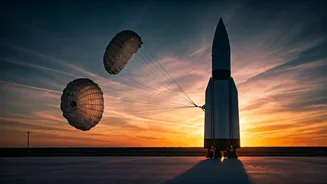
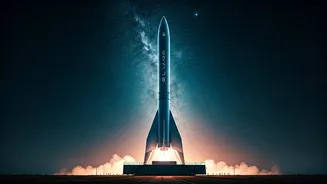
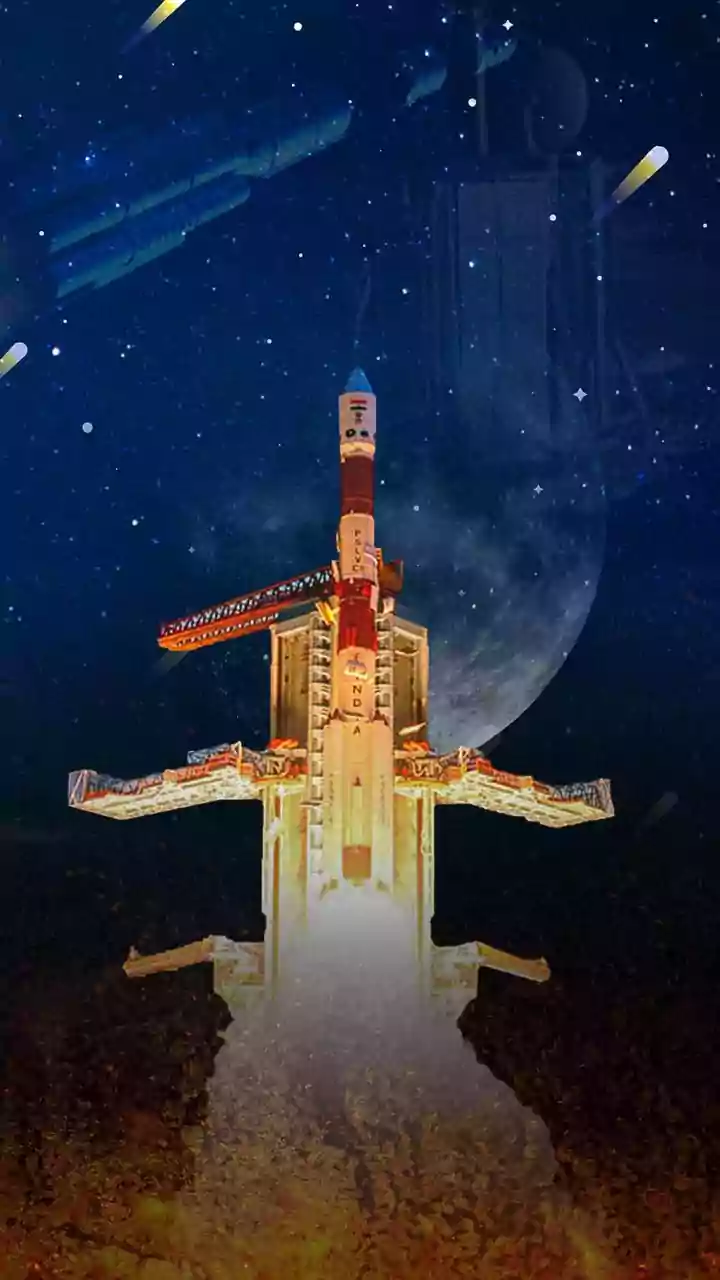
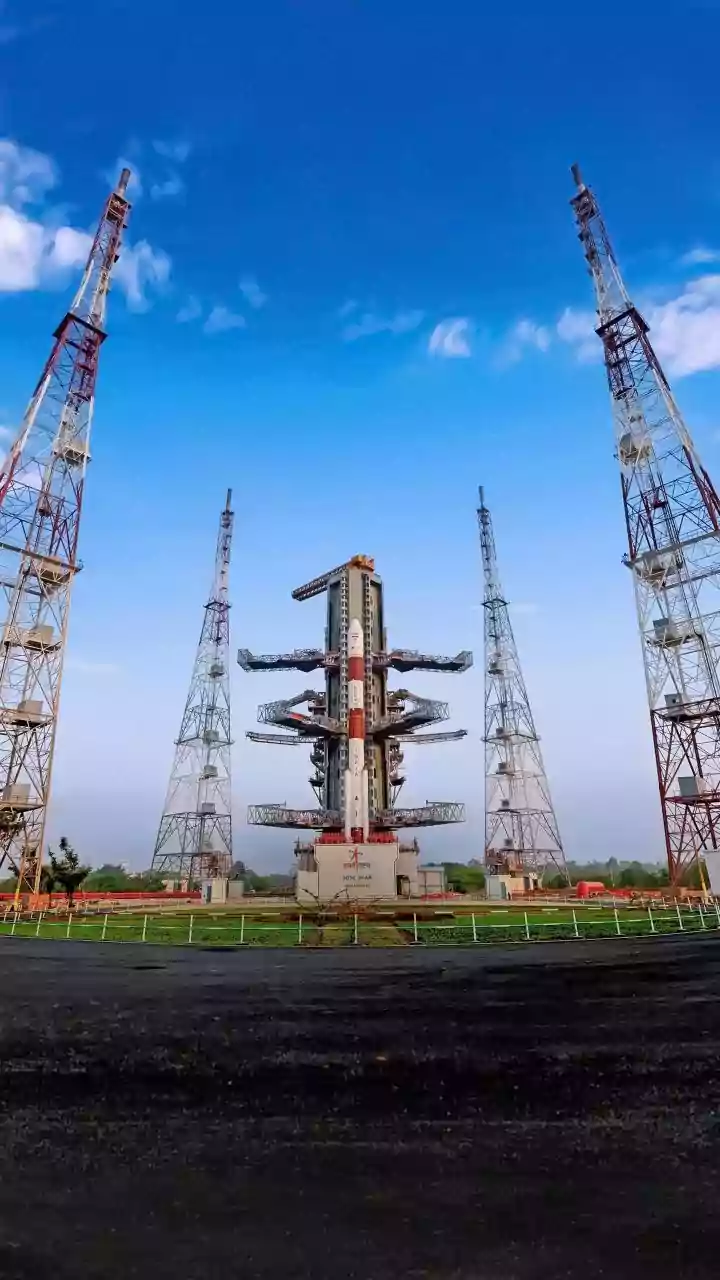
The latest success from ISRO comes from its new Sub-Orbital Launch Vehicle for Experiments, or SOLVE. This is not a rocket designed to go into orbit, but a specialised test vehicle with a very important job. Its sole purpose is to help engineers rigorously
test and validate the parachute recovery system for the Gaganyaan mission’s crew module. Think of it as a dedicated high-altitude platform designed to repeatedly simulate the final, crucial moments of a spaceflight mission. By using a sub-orbital rocket, ISRO can conduct these vital tests in a cost-effective and flexible manner, gathering data that is essential for ensuring the system is robust enough for human spaceflight.
A Key Milestone for Astronaut Safety
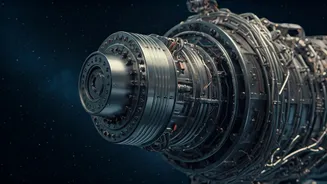
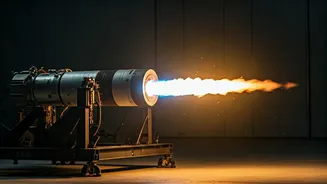
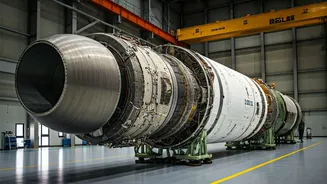
In early July 2026, ISRO successfully conducted the first static ground test of the solid motor that will power the SOLVE rocket. This test, held at the Satish Dhawan Space Centre in Sriharikota, involved firing the motor while it was anchored to the ground. Engineers carefully monitored its performance to ensure it burned as expected and produced the right amount of thrust for the planned duration. The test was declared a complete success, with all parameters meeting mission requirements. This is a critical step because it confirms the heart of the SOLVE rocket is ready. Before ever attempting a flight, engineers must be certain the propulsion system is reliable. This validation gives ISRO the confidence to move forward with flight tests that will examine the crew module's deceleration and splashdown system under real-world conditions.
How the Parachute System is Tested
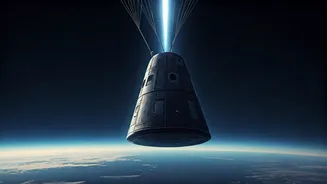
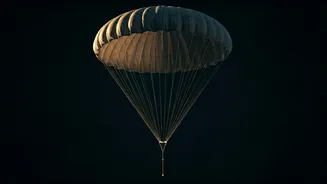
The process that SOLVE will validate is a complex and carefully choreographed sequence designed to ensure a gentle landing. During a test mission, the SOLVE rocket will carry a replica of the Gaganyaan crew module to an altitude between 10 and 17 kilometres. At the target altitude, the crew module will separate from the rocket. From there, a sequence of ten different parachutes will deploy in stages. This multi-parachute system is designed to gradually slow the module from high speed to a velocity safe enough for a splashdown in the ocean. Testing this system repeatedly allows engineers to verify that every component—from the deployment triggers to the parachute materials—works flawlessly under different flight conditions. For the astronauts on board, this system is one of the most critical safety elements of their entire mission.
Smart Engineering: Adapting Proven Technology
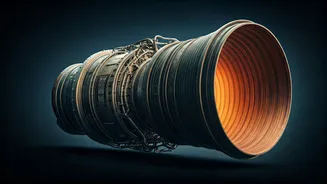
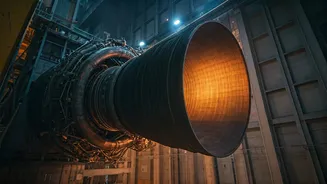
Rather than designing the SOLVE rocket from scratch, ISRO engineers cleverly adapted an existing and highly reliable piece of hardware: the strap-on solid motor from India’s workhorse rocket, the Polar Satellite Launch Vehicle (PSLV). However, several key modifications were made to suit the specific needs of this testing platform. A slow-burning solid propellant was developed to control the ascent profile, and new control systems, including a straight nozzle with Secondary Injection Thrust Vector Control (SITVC), were integrated to improve flight stability. This approach of modifying proven technology is a hallmark of ISRO’s engineering philosophy, allowing for faster development and higher reliability while keeping costs in check.
The Bigger Picture: Gaganyaan and India's Place in Space
The development and testing of SOLVE is not an isolated project; it is a vital part of India's ambitious Gaganyaan program. The ultimate goal of Gaganyaan is to send a crew of two to three Indian astronauts, known as vyomanauts, into a 400-kilometre low-Earth orbit for a mission lasting approximately three days. Upon completion, the crew will return to Earth, splashing down in Indian territorial waters. When successful, this will make India only the fourth country in the world to independently send humans into space. The SOLVE rocket tests are a foundational part of the extensive qualification process, which includes everything from launch systems to crew escape technologies. Every successful test brings India one step closer to this historic achievement.