





More Than Just Sugar
At its core, maple syrup is boiled-down sap from maple trees. But the process of heating that sap creates a complex chemical transformation. Researchers have identified over 67 different plant-based compounds, or polyphenols, in pure maple syrup. Many
of these have antioxidant properties, similar to compounds found in berries, tea, and flaxseed. Nine of these compounds are unique to maple syrup, meaning they aren't found anywhere else in nature. This discovery has moved maple syrup from a simple pancake topping into a subject of genuine scientific curiosity, with studies exploring its nutritional profile beyond its primary role as a sweetener.
Meet Quebecol: A Compound of Interest
One of the most talked-about discoveries is a molecule named Quebecol, a polyphenol that forms during the boiling process and is named after the Canadian province that produces the most maple syrup. Early-stage laboratory studies have shown that Quebecol has anti-inflammatory properties. For instance, in petri dish models, it was able to block the inflammatory response of certain blood cells. While this type of preliminary research is a long way from proving benefits in humans, it opens the door for further investigation into how these compounds might work in the body and what potential they may hold. This initial science is what’s generating the buzz, suggesting there is something unique happening within this natural sweetener.
The Nutritional Edge Over Sugar
When compared to white table sugar or high-fructose corn syrup, which are essentially just empty calories, maple syrup offers a bit more. It is a significant source of the mineral manganese, which is crucial for bone health and metabolism, and also contains riboflavin (Vitamin B2). It also provides smaller amounts of zinc, calcium, and potassium. Furthermore, maple syrup has a lower glycemic index (around 54) compared to table sugar (around 65). This means it raises blood sugar levels more slowly, which can help avoid the sharp spikes and subsequent crashes associated with highly refined sugars.
A Reality Check: It's Still a Sweetener
Here’s the important takeaway: despite the fascinating compounds and trace minerals, maple syrup is still primarily sugar and should be consumed in moderation. A single tablespoon contains around 12 grams of sugar and about 52 calories. While it's a better choice than refined white sugar because it's less processed and contains beneficial compounds, it's not a health food to be consumed in large quantities. Health organizations generally recommend limiting added sugars, and maple syrup falls into this category. The potential benefits from its antioxidants don't negate the effects of its high sugar content. So, thinking of it as a health supplement would be a mistake; it's a sweetener with some interesting fringe benefits.
How to Choose and Use It Wisely
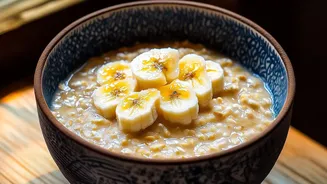
To get any of the potential benefits, it's crucial to choose 100% pure maple syrup. Many pancake syrups on the market are just corn syrup with artificial maple flavoring and contain none of the beneficial compounds. The real thing is made from nothing but concentrated maple sap. Darker grades of syrup, which are typically harvested later in the season, tend to have a higher concentration of these beneficial antioxidant compounds. Think of maple syrup as an upgrade, not a free pass. Use it where you might otherwise use sugar, but do so mindfully. It’s excellent in marinades, salad dressings, or a morning bowl of oatmeal, where a little goes a long way in providing both sweetness and a more complex flavor profile than other sweeteners.