





A Tale of Two Indias
The latest findings paint a nuanced picture of the nation's nutritional status. On one hand, India has made significant strides in reducing child undernutrition over the past decade. The country is on course to meet targets for reducing child stunting
and increasing exclusive breastfeeding. However, this progress is overshadowed by what experts call the "double burden of malnutrition": the simultaneous existence of undernutrition and a rapid rise in overweight and obesity. While underweight remains a problem, particularly in rural areas and among disadvantaged groups, obesity and related non-communicable diseases like diabetes are surging, especially in urban centres. This paradoxical situation means the country is fighting two different health battles at the same time.
What is a Resilient Food Supply?
A resilient food system is one that can withstand shocks and disruptions—like climate change, economic instability, or supply chain breakdowns—while still providing safe, nutritious, and affordable food to the population. The 2026 Global Nutrition Report emphasizes this because India's food supply is increasingly vulnerable. Extreme weather events such as erratic monsoons, droughts, and heatwaves threaten agricultural productivity, damage crops, and lead to price spikes. These climate-induced shocks make it harder for families, especially low-income households, to access a diverse and healthy diet, pushing them towards cheaper, processed, and less nutritious options.
Climate Change on the Plate
The link between climate change and nutrition is direct and deeply concerning. Rising temperatures and unpredictable weather patterns don't just reduce the quantity of food grown; they also affect its quality. Studies show that increased carbon dioxide in the atmosphere can lower the protein, zinc, and iron content in staple crops like rice and wheat. This means that even when people are getting enough calories, they may not be getting the essential micronutrients needed for good health. Climate change also disrupts the entire food chain, from making it harder to grow diverse crops to increasing pest attacks, further limiting the availability of nutritious options and threatening food security for millions.
Shifting from Food Security to Nutrition Security
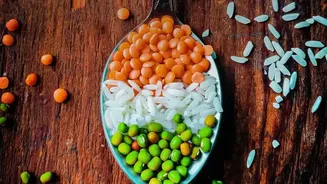
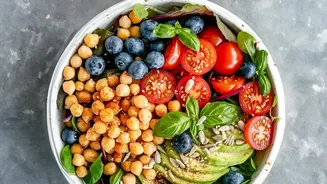
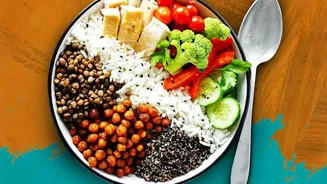
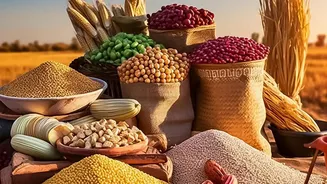
For decades, India's focus was on achieving food security, which primarily meant producing enough calories to feed its population. While successful in preventing widespread famine, this approach is no longer sufficient. The current challenge, as highlighted by recent reports, is to achieve 'nutrition security'. This requires a shift in policy and agricultural practices. Instead of just focusing on staple grains like rice and wheat, there is a growing call to diversify agriculture. Promoting native, climate-resilient crops such as millets, indigenous pulses, and local vegetables can play a crucial role. These crops are not only better adapted to local climatic conditions and require fewer resources, but they are also often more nutrient-dense.
The Path to a Healthier Future
Building a resilient and nutritious food system requires a multi-pronged approach. Experts suggest strengthening local food economies by supporting smallholder farmers who grow diverse crops. Improving supply chains to reduce food loss and waste is another critical step, ensuring that more of the food that is grown reaches consumers. For the average person, this shift could mean seeing more local and traditional foods become available and affordable. Initiatives promoting sustainable diets and raising awareness about the benefits of indigenous foods are already underway, aiming to empower communities to make healthier and more environmentally conscious food choices. Ultimately, the goal is to create a system where a healthy diet is not a luxury, but an accessible reality for every Indian.