








What Exactly Is Okra Water?
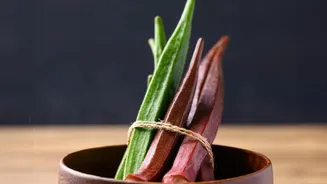
Before diving into the claims, let's clarify what we're talking about. Okra water is made by slicing fresh okra pods, soaking them in water for several hours or overnight, and then straining the liquid. The resulting drink is often thick and gel-like,
thanks to a substance in okra called mucilage, which is a type of soluble fibre. This trend has gained significant traction on social media, with its popularity reportedly originating with Black content creators in Africa and the diaspora, where okra has deep cultural and culinary roots. Influencers and users share anecdotal stories of transformative health and beauty results, turning this humble vegetable water into a viral sensation.
Claim 1: The Ultimate Hydrator
The first major promise of okra water is superior hydration. It’s true that okra itself is about 90% water and the resulting drink is, well, mostly water. Any fluid intake contributes to hydration, and if the mild, grassy taste of okra water encourages you to drink more than you would plain water, that's a definite plus. Some sources suggest the mucilage helps retain moisture, which could theoretically aid hydration. However, there is no scientific evidence to suggest that okra water is more hydrating than regular water. For most people, drinking plain water is sufficient. The real benefit here may simply be that it makes hydration more interesting.
Claim 2: A Recipe for Calmness
The idea that a drink could promote calmness is alluring. This claim is often linked to the nutritional content of okra. Okra is a decent source of magnesium, a mineral known to play a role in nerve function and relaxation. One cup of raw okra contains about 57 mg of magnesium. However, the amount of magnesium that actually leaches into the water during soaking is unknown and likely not very high. While some of okra's anti-inflammatory compounds might be present, the evidence that drinking the infused water can produce a noticeable calming effect is purely anecdotal. Relying on it to reduce stress is a stretch; you’re better off with proven methods like meditation or exercise.
Claim 3: The Secret to Glowing Skin
This is perhaps the most compelling claim for many. Okra is packed with skin-friendly nutrients. It’s a good source of Vitamin C, which is crucial for collagen production and helps fight free radical damage. It also contains Vitamin A, which supports skin repair. These antioxidants can theoretically contribute to healthier, more radiant skin. Some influencers claim that drinking okra water has visibly improved their skin texture and brightness. While some of these nutrients will inevitably find their way into the water, experts are skeptical about the concentration. Most dietitians agree that you would get a much more potent dose of these beneficial vitamins and antioxidants by eating the whole okra vegetable.
The Verdict: Drink or Pass?
Okra water is not a magic potion. The scientific evidence to back the specific, powerful claims made on social media is limited to non-existent. Most of the health benefits are inferred from the nutritional profile of the whole okra vegetable, and it's unclear how many of those nutrients transfer to the water. For most people, drinking okra water is harmless and can be a low-sugar way to increase fluid intake. However, it shouldn't be seen as a substitute for a balanced diet or medical advice. If you want the full benefits of okra—including all the fibre, vitamins, and minerals—experts recommend eating the vegetable itself. Roasting, grilling, or adding it to stews are great ways to incorporate this nutritious food into your meals.