


The Old Way: Use Once and Discard
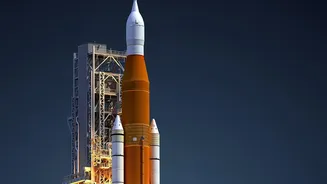
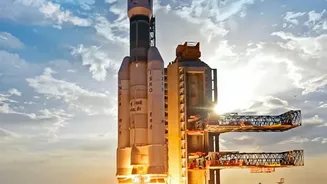
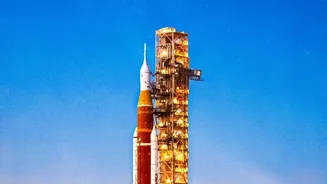
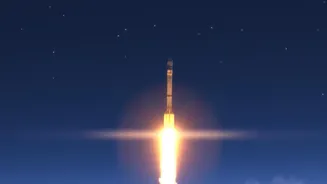
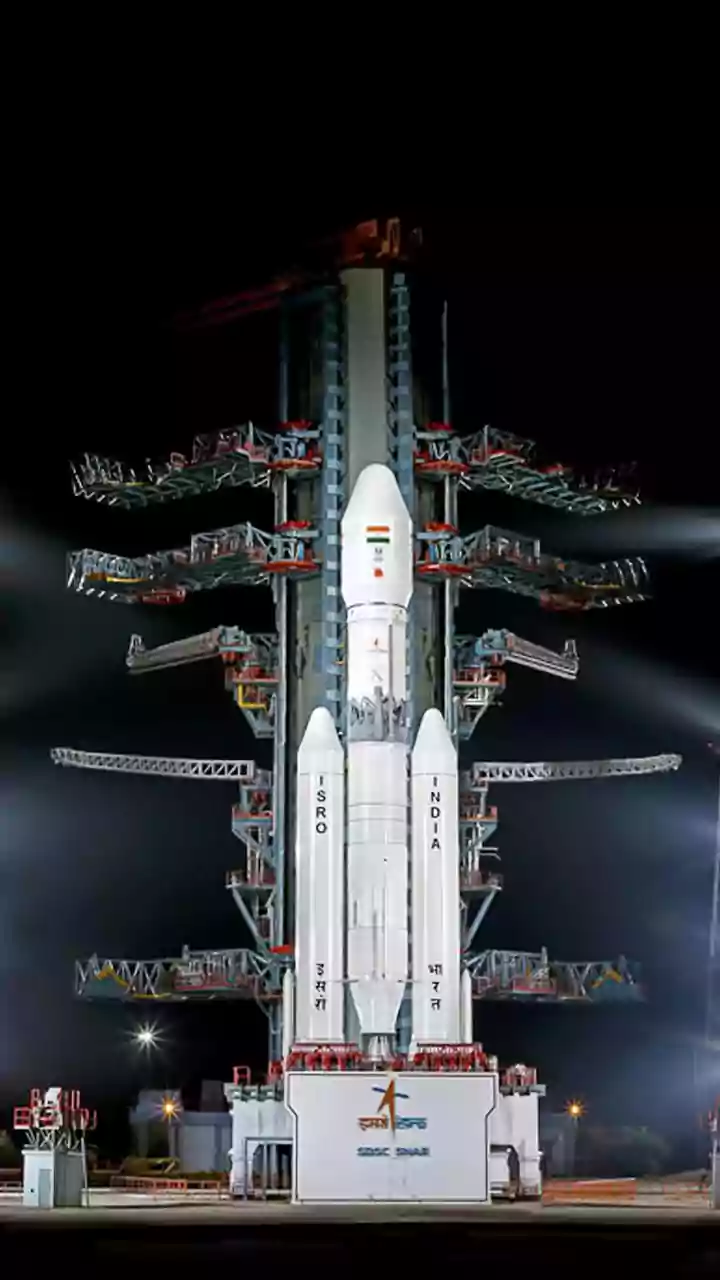
Historically, every space launch was a one-time event for the rocket involved. These incredibly complex and expensive machines, known as expendable launch vehicles, would carry their payload to orbit and then be discarded, with their components burning
up in the atmosphere or falling into the ocean. This model made launch costs prohibitively high, with prices often exceeding $200 million per mission. The cost to place a single kilogram of payload into low Earth orbit could range from $10,000 to over $60,000. This staggering expense limited space access to governments and large corporations with deep pockets, making it a significant barrier for smaller companies, researchers, and new commercial ventures.
The Reusability Revolution
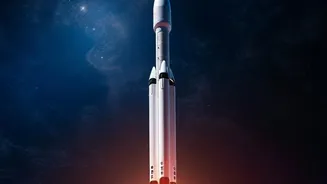
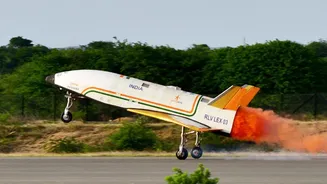
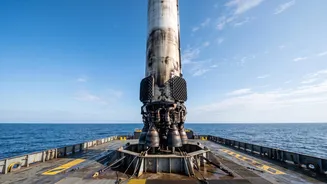
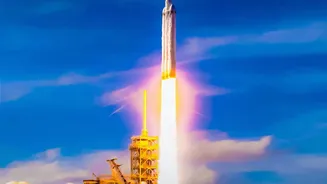
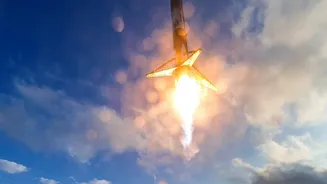
The concept of reusability fundamentally changes this equation. Pioneered and proven by companies like SpaceX with its Falcon 9 rocket, the core idea is to recover the most expensive parts of the rocket, primarily the first-stage booster, so they can be refurbished and flown again. Instead of being discarded, the booster performs a controlled descent after stage separation, using its own engines, grid fins, and landing legs to touch down on a ground pad or an autonomous droneship at sea. This approach transforms the rocket from a disposable good into a reusable asset, much like a commercial airliner. While there are costs associated with recovery and refurbishment, they are a fraction of the cost of building a new booster from scratch.
Driving Down the Price Tag
The primary impact of reusability is a dramatic reduction in launch prices. By recovering and reusing the booster and other components like the payload fairing, companies can slash mission costs by up to 70%. SpaceX, for example, advertises Falcon 9 launches for around $67 million, a figure significantly lower than its expendable competitors like the ULA Atlas V, which can cost around $160 million. This has driven the per-kilogram cost to low Earth orbit down from the tens of thousands to under $2,000. Refurbishing a flown booster costs far less than manufacturing a new one, allowing launch providers to pass those savings on to customers. As a single booster can be reused dozens of times, the initial manufacturing cost is spread across many missions, compounding the savings.
More Launches, More Opportunities
Lower costs are only part of the story; reusability also drastically increases the availability and frequency of launches. Since launch providers don't need to build a new rocket for every mission, they can maintain a fleet of flight-proven boosters ready for rapid turnaround. This has enabled an unprecedented launch cadence. Furthermore, this increased availability has given rise to dedicated 'rideshare' missions. These are like a carpool to orbit, where multiple small satellite operators can book a spot on a single rocket, sharing the cost of the launch. Programs like SpaceX's Transporter missions have become a popular and affordable route to space for startups and research institutions that don't need or can't afford a dedicated rocket.
A New Era for the Satellite Industry
The combined effects of lower prices and greater availability have been a catalyst for the entire satellite industry. Most notably, it has made the deployment of large-scale satellite 'mega-constellations' economically viable. Companies like SpaceX's Starlink and Amazon's Project Kuiper are deploying thousands of satellites to provide global broadband internet. Such ambitious projects would have been financially impractical with expensive, single-use rockets. Beyond telecommunications, the Earth observation market is also booming, as cheaper launches enable more companies to deploy satellites for analytics, climate monitoring, and more. This democratization of space access is fostering innovation and creating new business models that were previously unimaginable.
The Future: Full Reusability and Beyond
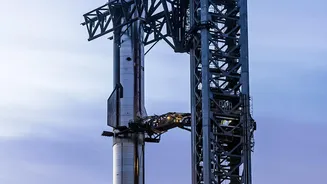
The current generation of rockets is only partially reusable. The next leap forward is fully reusable systems, like SpaceX's Starship, where both the booster and the upper stage spacecraft are designed for recovery and rapid reuse. The successful development of such technology could drop launch costs by another order of magnitude, potentially to less than $100 per kilogram. This would further revolutionize access to space, enabling not just more satellites but also new industries like in-space manufacturing, space tourism, and ambitious scientific missions. Competitors are taking note, with companies like Blue Origin with its New Glenn rocket, Rocket Lab with Neutron, and various players in Europe and China all developing their own reusable launch technologies to compete in this new market.