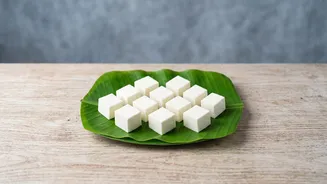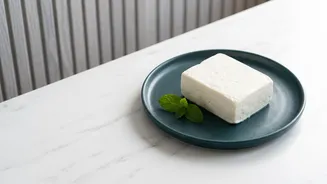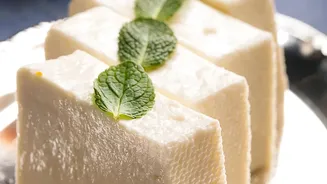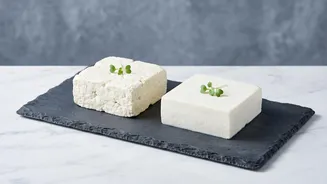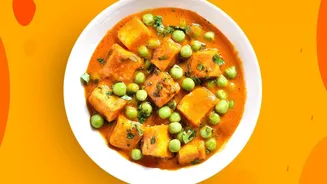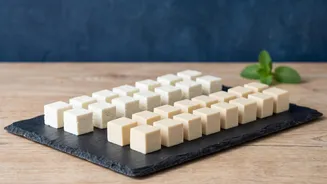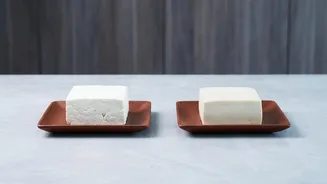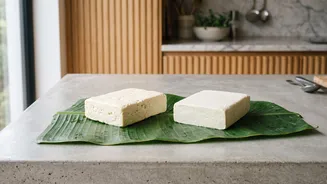





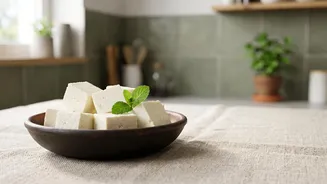


Paneer is a cornerstone of Indian cuisine, but a new generation of products that look and feel like paneer are appearing on shelves. Now, the nation's food regulator is stepping in to ensure you know exactly what you're buying.
What Exactly Is Analogue Paneer?
Traditional paneer is a fresh
cheese made by curdling milk with an acid like lemon juice or vinegar. Its analogue counterpart, however, is a different product altogether. FSSAI defines a 'dairy analogue' as a product where non-milk ingredients partially or wholly replace milk constituents. In the case of analogue paneer, this often means milk fat and milk protein are substituted with cheaper ingredients like vegetable oils, starches, and plant proteins to mimic the texture and appearance of real paneer. These are not necessarily the same as the increasingly popular vegan or plant-based paneer alternatives made from soy (tofu), nuts, or seeds, which cater to specific dietary choices. The primary concern with many low-cost analogues is that they are designed to imitate paneer for commercial advantage, often with a different nutritional profile.
Why FSSAI Is Stepping In
The core issue is consumer confusion. FSSAI's proposed regulations aim to stop products made from non-milk ingredients from being manufactured or sold using the name 'paneer'. The regulator's draft amendment, published in September 2026, states that the move is intended to prevent consumers from being misled about the product's true nature and composition. If the proposal is finalized, even products currently licensed under the 'Analogue in Dairy Context' category would have to drop the word 'paneer' from their labels and marketing materials. This national-level proposal follows action from several states, including Maharashtra, Karnataka, and Gujarat, which have already moved to restrict or ban the sale of analogue paneer. The goal is to protect the integrity of the term 'paneer' and ensure that when consumers buy it, they are getting the dairy product they expect.
The Nutritional Divide
The nutritional gap between dairy paneer and its analogues can be significant. Real paneer is a rich source of complete protein and calcium. A 100-gram serving of dairy paneer typically contains around 18-20 grams of protein and is high in calories and saturated fat. Analogue paneer made with vegetable oils and starches is often lower in protein and higher in unhealthy fats and carbohydrates. This is a key concern for FSSAI, as many Indians, especially vegetarians, rely on paneer as a primary protein source. On the other hand, tofu (often used as a vegan paneer substitute) is much lower in calories and fat, contains no cholesterol, and is a good source of iron, but has less protein per gram than dairy paneer. The proposed regulations will help consumers make more informed dietary choices by preventing products with vastly different nutritional values from sharing the same name.
The Rise of Plant-Based Diets
FSSAI's move comes as India’s vegan food market is experiencing significant growth. Valued at over USD 1.78 billion in 2026, the market is projected to expand at a compound annual growth rate of around 10% through 2034. This surge is driven by increasing health consciousness, ethical concerns, and a rise in lactose intolerance. As a result, plant-based dairy alternatives are becoming mainstream, with options made from soy, almonds, and oats gaining popularity in urban centres. FSSAI has already been working to formalize this space, introducing a mandatory logo for certified vegan products to ensure transparency, which will come into effect in July 2027. The distinction between 'analogue paneer' and 'plant-based paneer' is crucial; while some analogues are low-cost substitutes, many plant-based products are premium items catering to a specific, informed consumer base. Clearer labelling helps both groups.
What This Means for Your Grocery List
If the draft rules are implemented, the most immediate change will be on product packaging. You will no longer see the word 'paneer' on products that are not made from milk. Instead, they might be labelled as 'vegetable cubes' or another non-dairy descriptor. This clarity will extend to restaurants and food service businesses, which will need to disclose if they are using a paneer analogue in their dishes. This doesn't mean non-dairy alternatives will disappear, but it does mean they will have to be marketed honestly. For consumers, the change empowers them to know whether they are buying a high-protein dairy product or a substitute with a different composition. Ultimately, the regulation is about truth in labelling, ensuring the paneer in your palak paneer is, in fact, paneer.