






The Gap Between Policy and Plate
India's efforts to improve public nutrition are vast and well-documented. Schemes like the Public Distribution System (PDS), the Midday Meal Scheme, and the ambitious POSHAN Abhiyaan (National Nutrition Mission) form a crucial safety net for millions.
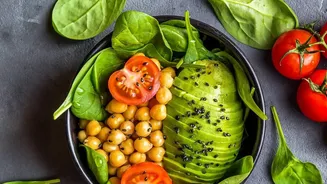
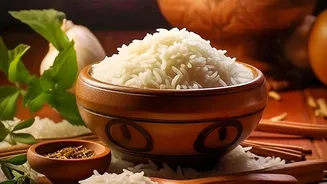
These programs have significantly improved access to staple food grains like rice and wheat, making vital progress in the fight against hunger. However, a policy that equates food security with nutritional security is incomplete. While families may have access to sufficient calories through subsidised grains, the diversity needed for a balanced diet—pulses, vegetables, fruits, and proteins—often remains out of reach. Our nutrition policies are excellent at distributing grains, but they have been less effective at ensuring the affordability of a genuinely healthy and balanced meal. This creates a paradox where a family can be simultaneously food secure and malnourished.
The Affordability Hurdle
For most Indian households, the daily budget dictates the menu. Recent data on the cost of a 'thali'—a complete Indian meal—paints a clear picture of this challenge. While prices fluctuate, the cost of a nutritious vegetarian thali has been pushed up by sharp increases in the prices of vegetables like tomatoes and the rising cost of cooking gas. According to a UN report, the cost of a healthy diet in India has risen significantly, making it unaffordable for a large section of the population. When prices for nutritious items spike, families don't stop eating; they stop eating well. They are often forced to substitute more expensive vegetables and pulses with cheaper, less nutritious alternatives, primarily the staple grains provided by the PDS. This economic pressure directly undermines the goals of national nutrition strategies, as affordability becomes the primary driver of food choice, not nutritional value.
What You See Is What You Eat
Beyond cost, physical access is a major barrier. What is available in a local market or ration shop profoundly shapes a family’s diet. In many rural and even urban areas, the availability of fresh, diverse produce is limited. The government's food security programs have historically focused on procuring and distributing rice and wheat, which unintentionally reinforces a dietary pattern high in carbohydrates but lacking in essential micronutrients. Initiatives to include millets and fortified rice in the PDS are steps in the right direction but are yet to achieve scale. For a policy to be effective, it must consider the on-ground reality of the supply chain. If local markets lack variety, or if the PDS doesn't offer a diverse basket of goods, families cannot be expected to consume a varied diet, no matter what national guidelines recommend.
A Practical Path Forward
To bridge the gap between policy and plate, our approach must become more practical and family-centric. First, the Public Distribution System should be strengthened and diversified. Beyond rice and wheat, the PDS could play a larger role in stabilising the prices of essential pulses and oils, and systematically expanding the distribution of millets. Second, policy must support local food systems to shorten the long and inefficient supply chains that inflate consumer prices for fresh produce. Investing in cold storage and local processing can reduce waste and make nutritious food cheaper for consumers while ensuring better prices for farmers. Finally, programmes like POSHAN Abhiyaan need to be empowered with budgets that match their ambitions and a stronger focus on convergence, ensuring that efforts in agriculture, health, and social protection are planned and financed together, not in silos.