




Understanding the Queen of Spices
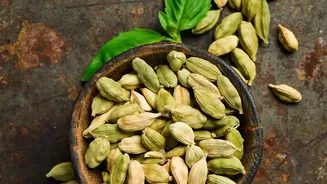
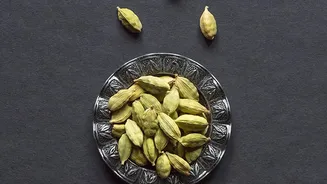
Before you start baking, it’s helpful to know what you’re working with. Cardamom, a relative of ginger, comes in two main varieties: green and black. For desserts, you’ll almost always want to reach for green cardamom. It boasts a complex flavour profile
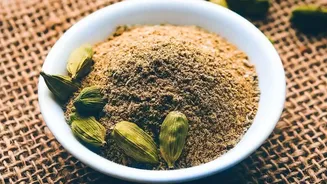
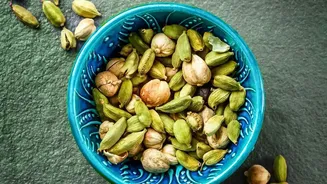
that is simultaneously floral, citrusy, sweet, and slightly minty. Black cardamom, on the other hand, is dried over an open flame, giving it a strong, smoky character best suited for hearty, savoury dishes. You can buy green cardamom as whole pods, loose seeds, or pre-ground powder. While ground cardamom is convenient, it loses its potent aroma and flavour quickly. For the best results, start with whole pods and grind the seeds yourself just before using. This ensures you capture the spice at its most fragrant and vibrant peak.
The Art of Balance
The fear of cardamom overpowering a dish is valid; its flavour is strong. The key is restraint and technique. If you're new to baking with it, start with less than you think you need—you can always add more, but you can't take it away. A little goes a long way, and a mere quarter teaspoon can be enough to perfume an entire cake batter. For a gentle flavour, infuse liquids like milk or cream with whole, lightly crushed pods. Bring the liquid to a simmer with the pods, then let it steep to absorb the aromatic oils. This method imparts a delicate essence perfect for custards, ice creams, and panna cotta. When adding ground cardamom directly to batters or doughs, mix it in with your dry ingredients to ensure it's evenly distributed.
Perfect Pairings to Get You Started
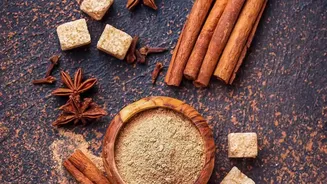
Cardamom is a versatile team player that complements many flavours you already love. Its warm notes harmonize beautifully with other classic baking spices like cinnamon, nutmeg, and cloves. It has a natural affinity for fruits, enhancing the sweetness of apples, pears, plums, and stone fruits. A sprinkle of cardamom in an apple crumble topping or a pear tart can be transformative. Citrus is another fantastic partner; the spice adds depth to orange, lemon, and blood orange cakes. It also stands up well to richer flavours like chocolate, coffee, and nuts, particularly pistachios and almonds. In fact, cardamom can cut through the sweetness of intense chocolate, providing a sophisticated, well-balanced profile.
Upgrade Your Go-To Bakes
You don't need a new recipe book to start experimenting. The easiest way to begin is by incorporating cardamom into desserts you already make. Try adding a half-teaspoon of ground cardamom to your favourite sugar cookie or shortbread recipe for a Scandinavian-inspired twist. Elevate a simple vanilla or sour cream cake by adding cardamom to the batter; it provides a warm counterpoint to the buttery sweetness. A dash of the spice can bring new life to rice pudding, oatmeal, or even the streusel topping for muffins and coffee cakes. Another simple technique is to create a cardamom-infused sugar. Just mix a teaspoon or two of ground cardamom into a cup of granulated sugar and use it to coat doughnuts, sprinkle over toast, or rim a cocktail glass.
Beyond the Baking Tin
Cardamom’s magic isn't limited to just cakes and cookies. Create a simple syrup by simmering water, sugar, and crushed cardamom pods. This fragrant syrup can be drizzled over pound cake, used to sweeten iced tea or coffee, or mixed into cocktails. Add a pinch of ground cardamom to whipped cream for a sophisticated topping that pairs wonderfully with fruit or chocolate desserts. You can also incorporate it into homemade granola, energy bites, or even a simple bowl of roasted fruit. Its ability to add a touch of the exotic to the everyday is what makes it such a valuable tool in a modern baker's spice rack.