


The Ambitious Project
India's first high-speed rail line is the Mumbai-Ahmedabad High-Speed Rail (MAHSR) corridor. This landmark infrastructure project is being managed by the National High Speed Rail Corporation Limited (NHSRCL). It aims to connect India's financial capital,
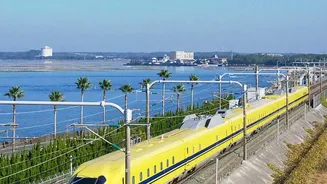
Mumbai, with the major economic and industrial hub of Ahmedabad. The project utilizes Japan's renowned Shinkansen technology, which is globally recognized for its exceptional safety record and efficiency. This collaboration involves not just the technology for the trains but also for the signalling, power systems, and overall design standards.
Route, Stations, and Speed
The corridor spans a total distance of 508 kilometres, the majority of which (352 km) lies in Gujarat, with the remaining portion in Maharashtra. The route will feature 12 stations: Mumbai (BKC), Thane, Virar, Boisar, Vapi, Bilimora, Surat, Bharuch, Vadodara, Anand, Ahmedabad, and Sabarmati. A significant portion of the line is elevated, and it also includes India's first undersea rail tunnel beneath Thane Creek. The trains, based on the E5 Shinkansen series, are designed to operate at a speed of 320 km/h. This will drastically reduce the travel time between Mumbai and Ahmedabad from over six hours to just about two hours for faster services.
Technology and Train Features
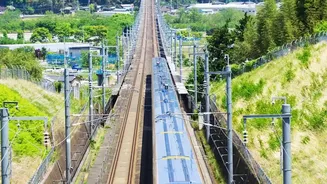
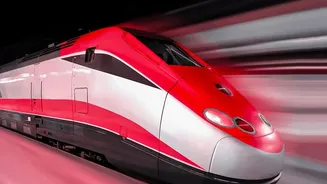
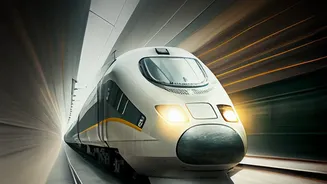
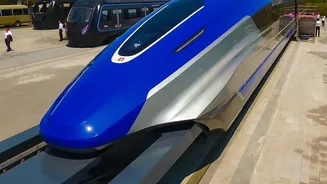
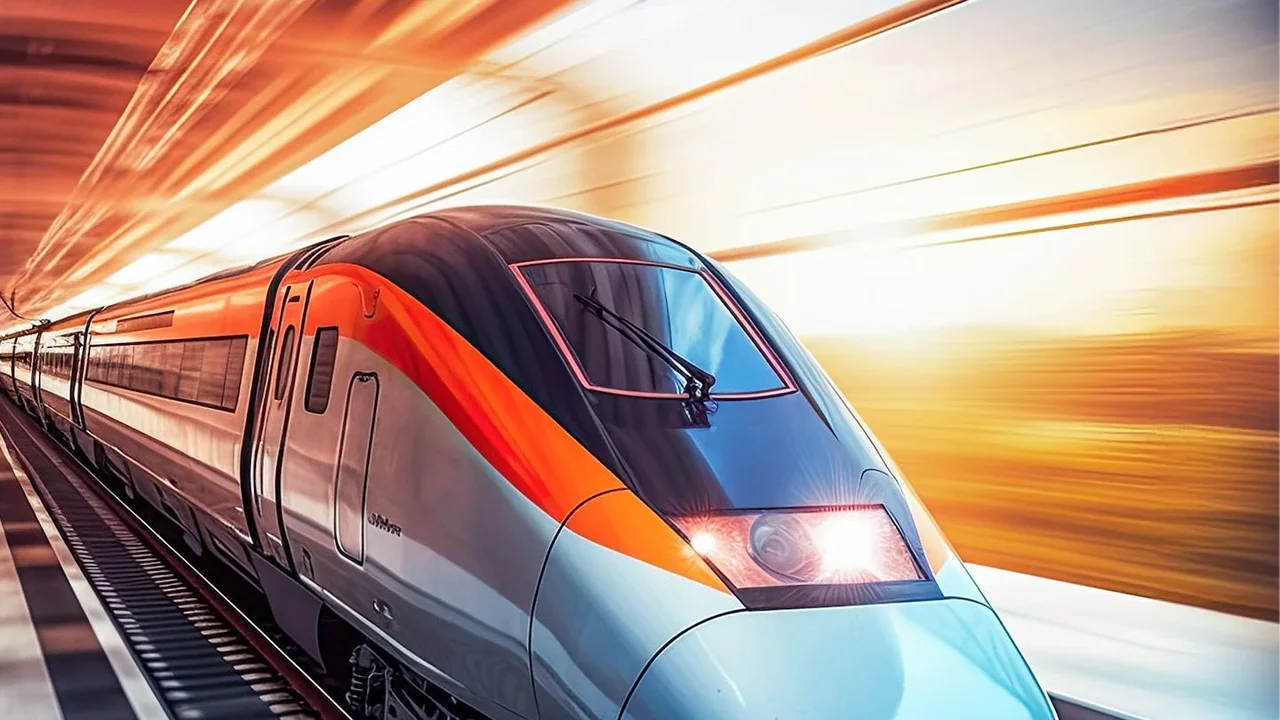
India is procuring E5 Series Shinkansen trainsets from Japan, known for their aerodynamic design, speed, and advanced safety features. These features include sophisticated anti-derailment systems and automatic braking to ensure passenger safety at high speeds. The trains are designed for a comfortable journey, with spacious seating, climate-controlled interiors, and modern amenities. While the initial trains will be imported from Japan, there is a strong focus on indigenous manufacturing, with plans to produce future high-speed trainsets in India under the 'Make in India' initiative.
Current Status and Timeline
As of September 2026, construction is progressing rapidly. Significant civil works, including the erection of piers and viaducts, have been completed across large sections, particularly in Gujarat. According to recent statements from the Railway Minister, the project is being rolled out in phases. The first operational section is targeted to be between Surat and Bilimora. While various targets have been discussed, the most recent official statements indicate that testing for the first trains could begin in mid-2027, with the first service on a section of the corridor expected to be inaugurated in August 2027. The entire 508 km corridor is anticipated to be fully completed by 2029.
Project Cost and Funding
The bullet train project is a highly capital-intensive venture. The original estimated cost was approximately ₹1.1 lakh crore. A significant portion of this is being financed through a soft loan from the Japan International Cooperation Agency (JICA) at a very low interest rate over a long tenure. However, due to various factors including delays in land acquisition and other challenges, revised cost estimates have been presented that are nearly double the initial projection. Despite the increased cost, the project is seen as a critical investment that will boost the construction industry and spur long-term economic activity all along the corridor.