


Understanding Ethylene Gas
Many fruits, including bananas, produce and release ethylene gas, which is a natural plant hormone that triggers the ripening process. When bananas are exposed to a high concentration of this gas, their starches convert to sugar more quickly, leading
to softening, browning, and eventual spoilage. The secret to longer-lasting bananas is learning how to control this ethylene exposure. By avoiding a few common mistakes, you can significantly slow down the ripening process and enjoy your fruit for days longer.
Mistake 1: Keeping Them in a Bunch
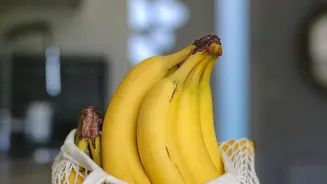
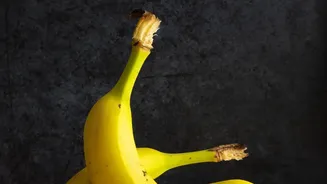
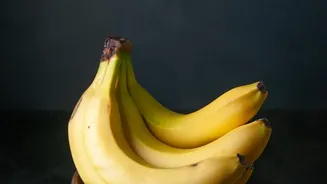
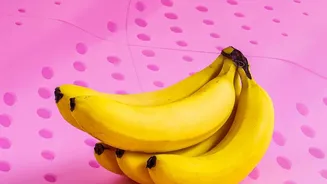
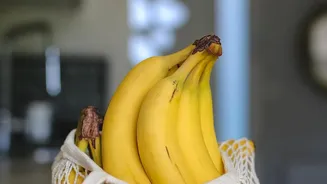
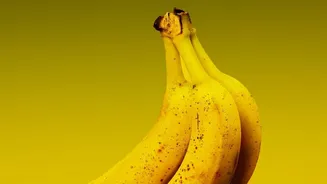
While bananas are sold in bunches, storing them that way at home is a mistake. The stems are the primary point where ethylene gas is released. When all the bananas are connected, they are constantly bathing each other in this ripening gas, accelerating the process for the entire group. To slow things down, separate the bananas as soon as you get them home. For an extra step, you can wrap the individual stems tightly in plastic wrap or foil. This helps trap some of the ethylene at the source, preventing it from travelling down and ripening the rest of the fruit.
Mistake 2: Storing Them in the Fruit Bowl
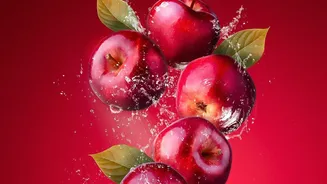
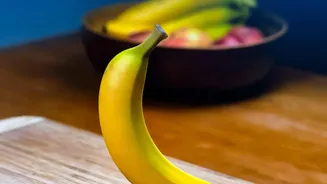
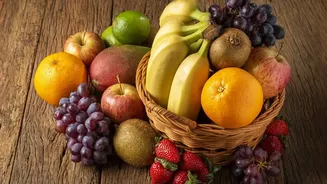
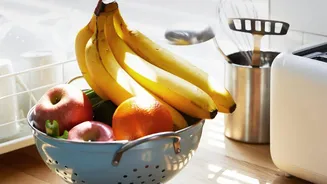
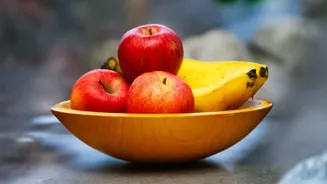
A mixed fruit bowl might look beautiful on your kitchen counter, but it’s a recipe for rapid ripening. Bananas are not only high producers of ethylene, but they are also very sensitive to it. Storing them next to other ethylene-producing fruits like apples, pears, avocados, and mangoes creates a potent environment that speeds up spoilage for everyone involved. It is best to give bananas their own space, away from other produce. Hanging them on a dedicated banana stand or hook is even better, as this prevents bruising on countertops, which can also accelerate ripening.
Mistake 3: Putting Them in a Plastic Bag
Never store your bananas in the plastic bag you brought them home in. These bags trap moisture, heat, and, most importantly, ethylene gas. This creates a humid, gas-filled environment that essentially cooks the bananas, causing them to turn mushy and overripe in a very short time. Bananas need to be stored in a cool, dry place with good air circulation. Leaving them out on the counter, separated from other fruits, is far better than confining them in a bag.
Mistake 4: Refrigerating Them Too Early
The refrigerator can be a useful tool for preserving bananas, but timing is critical. Putting green, unripe bananas in the fridge is a major mistake. The cold temperature halts the ripening process by disrupting the enzymes that convert starch to sugar. This results in a banana that may turn black on the outside but will remain hard, starchy, and bland on the inside. You should only refrigerate bananas once they have reached your desired level of ripeness. At that point, the cold will slow down further ripening for several days. The peel will likely turn dark brown or black, but the fruit inside will remain perfectly firm and sweet.