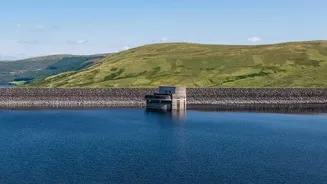





As the 2026 monsoon season concludes, a worrying figure has emerged from the Central Water Commission (CWC): India's 178 major reservoirs hold just 71.84% of their live storage capacity. This is more than just a statistic; it's a potential harbinger of challenges
ahead.
Putting the Numbers in Context
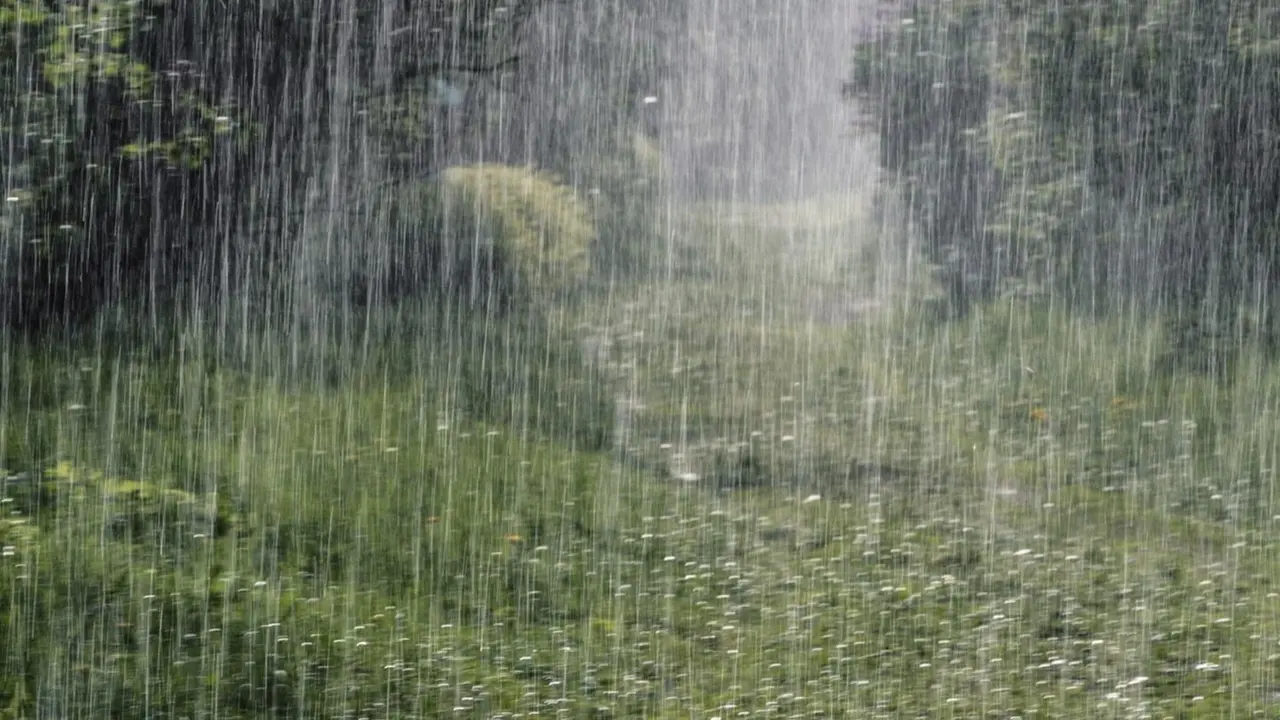
A figure of 71.84% might not sound alarming at first glance, but context is critical. This level is significantly lower than the storage recorded at the same time in 2025 and also falls short of the 10-year average for this period. The primary reason for this shortfall is a deficient Southwest Monsoon, which ended with a rainfall deficit of 12.6% below normal. Since the monsoon accounts for over 70% of India's annual rainfall, its performance is crucial for replenishing the water bodies that sustain the nation through the long, dry months. A weak monsoon means less water is captured in these vital reservoirs.
An Uneven Picture Across Regions
The national average of 71.84% hides a story of stark regional disparities. The situation is most severe in Southern India, where reservoirs are holding only around 50% of their capacity, a dramatic drop from 87.25% at the same time last year. This has been driven by a regional rainfall deficit of around 24%. Northern states, including Himachal Pradesh, Punjab, and Rajasthan, have also seen a sharp decline, with reservoir levels at 62% compared to 92.3% in 2025. Meanwhile, western and central regions are in a relatively better position, though their storage is also lower than last year. This unevenness means that some parts of the country are facing a far more immediate water crisis than others.
The Impact on the Rabi Crop Season
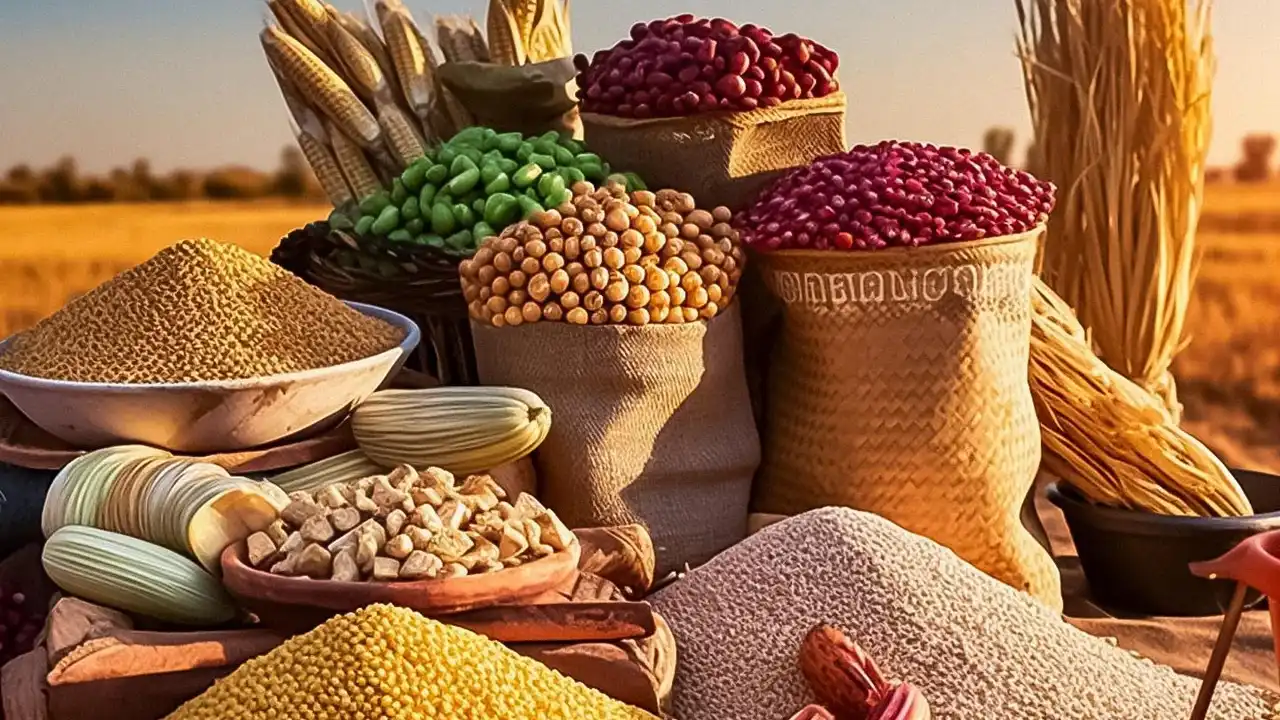
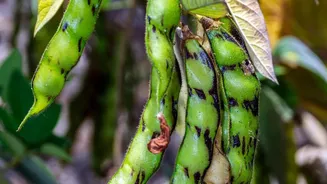
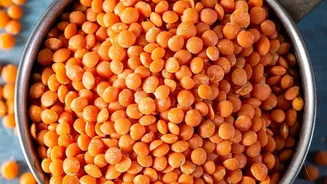
The most immediate concern is for the upcoming Rabi (winter) crop season. These crops, including wheat, gram, and mustard, are heavily dependent on irrigation from reservoirs and soil moisture built up during the monsoon. With both being in short supply, farmers face a difficult season. The government has already advised states facing water shortages to reassess their crop plans and encourage the cultivation of less water-intensive crops like pulses and oilseeds. States like Maharashtra and Karnataka have already declared drought in several regions, with ministers urging farmers to be cautious with their investments and crop choices. This could impact food production and potentially lead to higher food prices if yields are significantly affected.
Hydropower and Drinking Water Worries
Beyond agriculture, low reservoir levels have a direct impact on electricity generation and drinking water supplies. Hydropower, a key source of electricity, especially for meeting peak demand, has already seen a decline in output due to the poor monsoon. This has forced a greater reliance on coal-fired power plants to bridge the gap. As the dry season progresses, lower water levels will further constrain hydropower generation. Similarly, many urban and rural communities depend on these reservoirs for their daily drinking water. Reduced storage means that water supply boards may need to implement conservation measures and plan for potential rationing to ensure supplies last until the next monsoon.