


India's electric vehicle market just had an electrifying October, with sales surging to new heights. But beyond the headline numbers lies a crucial distinction: are we looking at cars shipped to dealers, or cars actually sold to customers?
Why Retail Sales Are the Real Deal
In the automotive
world, not all 'sales' figures are created equal. Often, manufacturers report wholesale numbers, which represent vehicles dispatched from the factory to their dealership networks. While this indicates production and supply, it doesn't always reflect genuine consumer demand. A carmaker can push inventory to dealers to meet quarterly targets, but those vehicles might simply sit in the stockyard. This is where the Federation of Automobile Dealers Associations (FADA) comes in. FADA reports retail sales data, compiled from vehicle registrations on the government's VAHAN portal. This figure represents the actual number of vehicles bought by customers and registered in their names. It is the most accurate barometer of on-the-ground demand, providing a true picture of the market's health and consumer sentiment. By focusing on FADA's numbers, we get a clearer understanding of how many Indians are truly making the switch to electric.
An Electrifying October by the Numbers
The retail data for October 2026 paints a vibrant picture of India's EV adoption. According to FADA, electric passenger vehicle registrations soared to 37,049 units. This represents a staggering 76.5% year-on-year growth compared to the 20,995 units sold in October 2025. This surge is even more impressive when you consider that the overall passenger vehicle market saw a decline in the same period. As a result, the market share of electric cars in total passenger vehicle retail sales more than doubled, jumping from 3.5% in October 2025 to 7.3% in October 2026. This demonstrates a decisive shift in consumer preference, where EVs are not just a niche but a rapidly growing segment capturing a significant slice of the automotive pie.
Who Is Winning the EV Race?
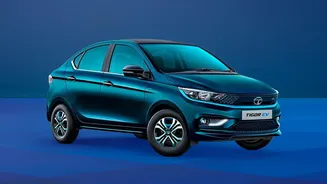
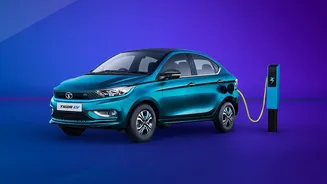
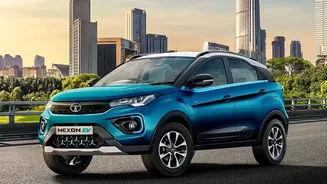
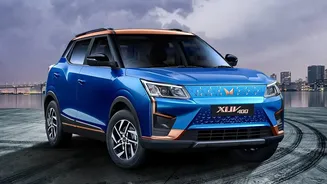
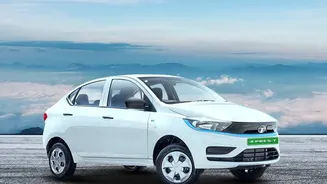
Tata Motors continues to be the undisputed leader in India's EV space, commanding a dominant 40.7% market share in October 2026 with 14,669 units retailed. This represents a massive 77.6% year-on-year growth for the company, underscoring the success of its multi-pronged strategy with popular models like the Nexon EV, Punch EV, and Tiago EV. However, the competition is heating up. Mahindra & Mahindra has solidified its second position, registering an impressive 8,538 units for a 23.7% market share and an 85.7% annual growth. JSW MG Motor India held onto the third spot with 5,939 units sold. New entrants are also making their presence felt. Vietnamese automaker VinFast, for instance, has rapidly captured market share, while Maruti Suzuki is also beginning to make inroads into the electric segment.
What's Fuelling This Growth?
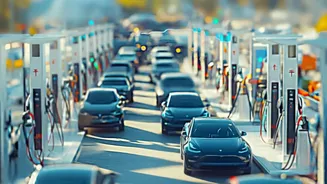
Several factors converged to create this sales boom. October is traditionally a high_demand month due to the festive season, which sees a spike in big_ticket purchases. Beyond the seasonal cheer, the fundamental economics of EV ownership are becoming more attractive. Persistently high petrol and diesel prices are pushing more consumers to evaluate the lower running costs of electric vehicles. Government initiatives, such as the FAME_II scheme and various state_level subsidies, continue to make the upfront cost of EVs more palatable. Furthermore, the growing portfolio of electric cars, especially in more affordable and mid_range price brackets, means there are now more viable options for a wider range of buyers. An expanding charging infrastructure, while still a work in progress, is also helping to alleviate range anxiety and build consumer confidence.
The Road Ahead
While the October sales figures are cause for celebration, the journey for India's EV market is far from over. Challenges such as closing the gaps in the charging network, especially on highways and in smaller cities, remain critical. The high initial cost of electric vehicles compared to their internal combustion engine counterparts is still a barrier for many, although this is gradually changing. However, the robust retail sales data from October confirms that the momentum is real and consumer_driven. The strong performance, led by homegrown champions and intensifying competition, suggests that the Indian EV market is moving from a nascent stage to a period of accelerated mass adoption. The focus on retail numbers gives us confidence that this growth isn't just inventory piling up—it's a genuine electric revolution happening in showrooms across the country.