




Mumbai's Lifeline: The Batata Vada Pav
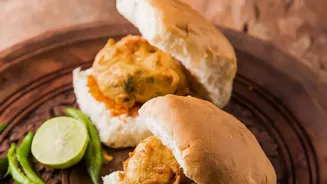
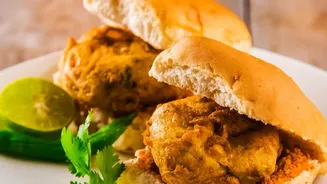
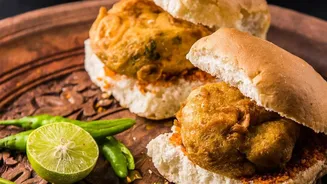
In Mumbai, the vada is less a dish and more a lifeline. It’s the batata vada: a spiced potato ball, coated in a gram flour batter and fried to golden perfection. But it rarely travels alone. The true Mumbai experience is the vada pav, born out of a need
for a quick, affordable, and portable meal for the city's mill workers in the 1960s. A man named Ashok Vaidya is often credited with the simple genius of tucking a hot vada into a soft, fluffy pav (bread bun), slathered with spicy chutneys. This creation became the ultimate grab-and-go meal. It’s the breakfast of a city in a hurry—eaten while walking to the train station, standing at a crowded street corner, or passed through a car window. It's carbs-on-carbs, a burst of flavour with fiery garlic chutney, and the perfect accompaniment to a cutting chai.
The Heartbeat of the Street Stall
The culture of the vada pav is intrinsically tied to the street stall. From Dadar to Byculla, these stalls are landmarks. Places like Ashok Vada Pav near Kirti College have been serving the same consistent taste for decades, attracting everyone from students to celebrities. The experience is about speed and efficiency. You join a queue, shout your order, and a few moments later, a piping hot vada pav is in your hand, wrapped in newspaper. Some stalls have their own unique twists, like a special choora (crispy batter bits) pav or a secret chutney recipe that keeps loyalists coming back. It isn't a sit-down affair; it’s a transaction that fuels the relentless pace of Mumbai life.
Bengaluru's Breakfast Medley
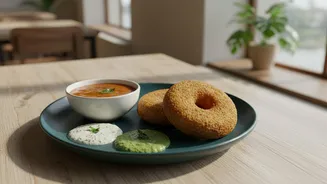
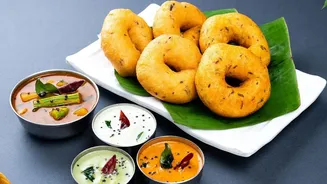
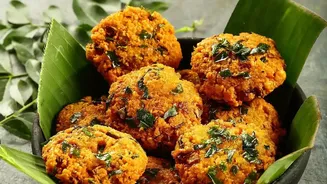
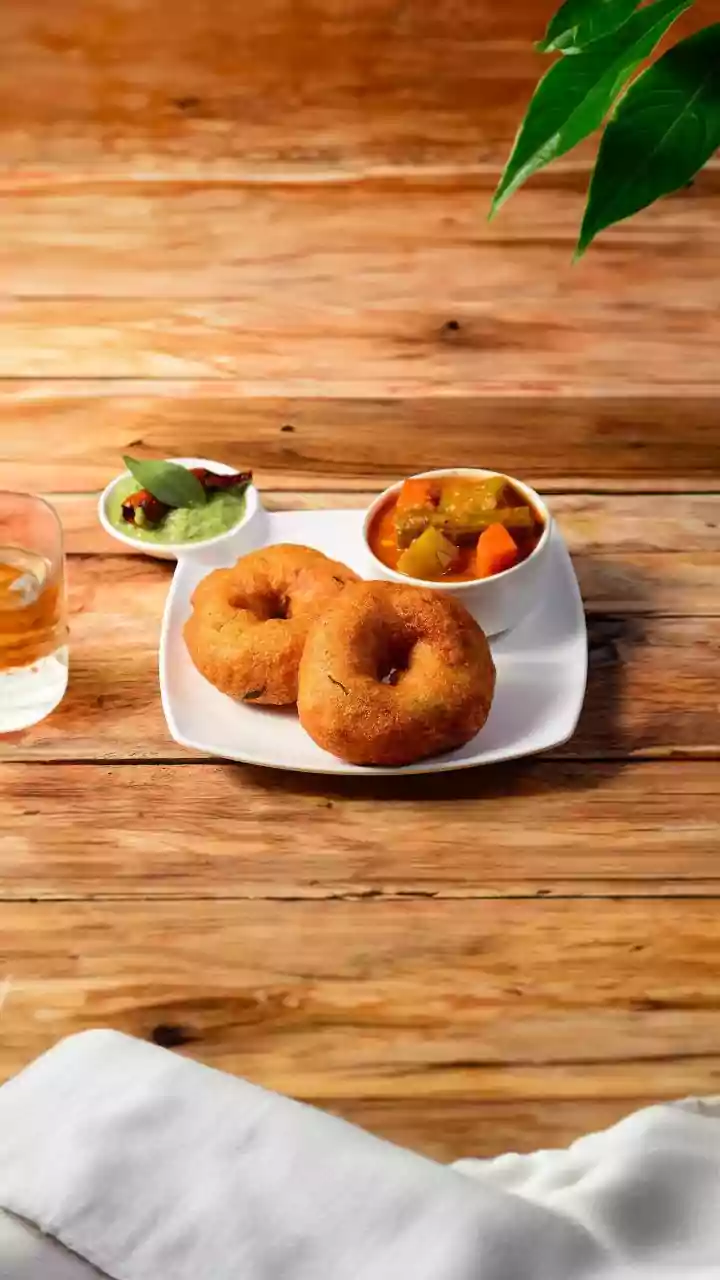
Travel south to Bengaluru, and the vada transforms. Here, breakfast is more of a ritual, and the vada is part of a larger ensemble. You won't typically find a vada stuffed in a bun. Instead, it’s served on a plate, often alongside a soft idli, and always accompanied by sambar and chutney. The most common breakfast vada is the Uddina Vada (or Medu Vada), a doughnut-shaped fritter made from urad dal (black lentils). It boasts a delightfully crispy exterior that gives way to a soft, fluffy inside. Alongside it, you’ll find Masala Vada, a crunchier, disc-shaped fritter made from chana dal (lentils) and spices, offering a completely different textural experience.
The Darshini and the Maddur Legend
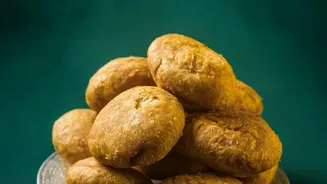
Bengaluru's breakfast scene is defined by its 'darshinis'—no-frills, stand-and-eat eateries known for speed, efficiency, and consistently high-quality vegetarian food. Places like Brahmin’s Coffee Bar and Veena Stores are institutions, where patrons line up for their plate of idli-vada, generously doused in a signature coconut chutney. Unlike Mumbai's vada pav, this is a breakfast to be savoured, even if you are standing. The city is also close to the birthplace of another vada legend: the Maddur Vada. Originating from the town of Maddur on the Bengaluru-Mysuru railway line, this vada is a happy accident from 1917. Made with rice flour, semolina, and onions, it's flattened into a disc and fried until brittle and crispy, offering a unique, crumbly texture unlike any other vada.
A Tale of Two Vadas
The contrast couldn't be starker. Mumbai's vada pav is a singular, self-contained meal, a testament to the city's fast-paced, individualistic hustle. It’s designed for convenience and speed, a powerful burst of flavour that keeps you moving. In Bengaluru, the vada is part of a community plate. It’s a component of a balanced breakfast, designed to be dipped, soaked, and enjoyed with accompaniments. The darshini culture, while fast, encourages a momentary pause in the day, a shared experience at a steel-topped table. One is the ultimate street food sandwich; the other is a classic tiffin-plate star. One is about fuelling a commute; the other is about starting the day with a cherished ritual.