







The Gold Standard: What is Creatine Monohydrate?
For decades, creatine monohydrate has been the undisputed champion in the world of sports nutrition, and for good reason. It is the most extensively studied nutritional supplement available to athletes. Hundreds of studies have consistently shown its
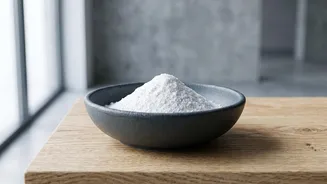
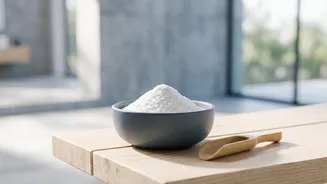
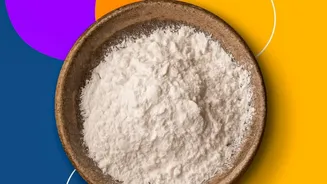
effectiveness in increasing strength, boosting power output, and helping to build lean muscle mass. This form of creatine is simple: a creatine molecule bound with a water molecule. Its track record is not just about performance; it’s also about safety. The International Society of Sports Nutrition (ISSN) and other research bodies have repeatedly affirmed that long-term use within recommended guidelines is safe for healthy individuals. Its high bioavailability means that nearly 99% of what you consume is either absorbed by your muscles or excreted, with very little waste. This combination of proven efficacy, an excellent safety profile, and high absorption makes it the benchmark against which all other forms are measured.
The Challengers: Meet the 'New and Improved' Variants
Enter the new kids on the block: creatine hydrochloride (HCL), creatine ethyl ester (CEE), and buffered creatine (like Kre-Alkalyn), among others. Each arrives with slick marketing claims. Creatine HCL is promoted for its superior water solubility, suggesting you can take a smaller dose and avoid potential stomach issues. Buffered creatine adds an alkaline powder, with manufacturers claiming this improves stability in the stomach and reduces side effects like bloating. Creatine ethyl ester was designed with the idea that attaching an ester group would improve absorption and reduce water retention. These claims sound appealing, targeting common concerns and promising a more advanced, efficient product. The central pitch is that these newer forms solve problems associated with the original monohydrate, offering a better experience and superior results. However, the critical question is whether these marketing promises hold up under scientific scrutiny.
Efficacy: Does 'Newer' Actually Mean Better Results?
When it comes to building muscle and increasing strength, the evidence is overwhelmingly clear: no alternative form has been consistently proven to be more effective than creatine monohydrate. Study after study has shown that when you compare monohydrate to its newer counterparts, the performance outcomes are either the same or, in some cases, worse. For instance, research on creatine ethyl ester (CEE) found it was not as effective as monohydrate at increasing creatine levels in muscle and, in fact, led to higher levels of creatinine, a waste product. This suggests a large portion of CEE is broken down before it can even be used. Similarly, studies on buffered creatine have found no significant differences in muscle creatine content, strength gains, or side effects compared to monohydrate. While creatine HCL is more soluble in a glass of water, this hasn't translated to superior results in the gym; studies show similar gains in strength and muscle mass when compared to monohydrate. The ISSN's position remains firm: creatine monohydrate is the most clinically effective form for increasing exercise capacity and lean body mass.
The Bottom Line: Cost and Value
Perhaps the most practical argument for sticking with creatine monohydrate is the cost. The newer, fancier forms of creatine almost always come with a significantly higher price tag. Research comparing prices has shown that alternative forms of creatine can cost more than double the price per gram compared to standard monohydrate. For example, one analysis found the average price per gram for monohydrate was around $0.12, while other forms averaged $0.26. Considering there's no solid evidence that these pricier variants provide any extra benefit in terms of performance, safety, or bioavailability, you are essentially paying a premium for marketing hype. For the vast majority of users, creatine monohydrate offers the best possible return on investment. It delivers proven, powerful results at a fraction of the cost, making it the smartest choice for both your muscles and your wallet.