


The Myth of Simple Division
The idea of a "half-batch" seems straightforward — take a recipe and divide every ingredient by two. While this works for some dishes, it's not a universal rule. Baking, in particular, is a science where ingredient ratios are crucial. Halving an egg is awkward,
and simply reducing leavening agents like baking powder can lead to dense, flat results. Even with savory cooking, pan size and cooking times don't scale down linearly. A small amount of food in a large pan can burn or dry out before flavors have a chance to develop. The key is to know which recipes are forgiving and which demand a more thoughtful approach.
The Easiest Recipes to Halve
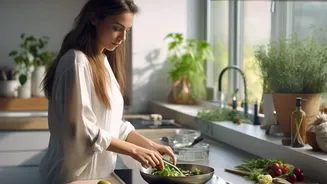
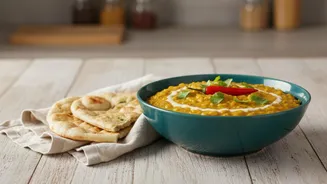
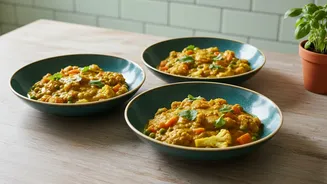
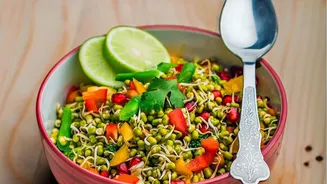
Some recipes are incredibly flexible and perfect for scaling down. Soups, stews, and chilis are prime candidates. These dishes are forgiving with their ingredient ratios, and you can easily adjust seasonings to taste as you go. Simple proteins like chicken breasts or steaks, along with salads and grain bowls, are also easy to prepare in single servings. Vinaigrettes and other dressings scale down beautifully, allowing you to make just enough for a few meals without committing to a large bottle. The general rule is that if a recipe involves simmering or individual components you assemble at the end, it's likely a good candidate for halving.
Proceed with Caution: Baking and Complex Sauces
Baking is where halving recipes gets tricky. The chemistry between flour, fat, sugar, and leavening agents is precise. While you can find 1/8 teaspoon measures, accurately dividing small amounts can be difficult. It's often better to find a recipe specifically developed for a small batch. Another area of caution is with complex sauces. A sauce that needs to reduce over a long period to build flavor may become too thick or salty if you start with half the liquid in the same size pan. The increased surface area causes liquid to evaporate too quickly. For these dishes, a different strategy is often more successful.
The 'Cook Once, Eat Twice' Philosophy
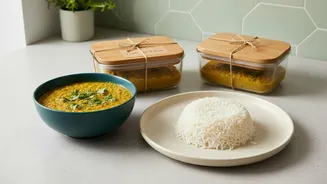
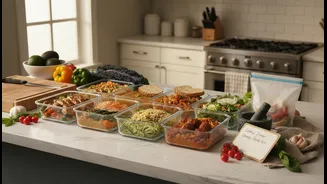
Instead of halving a recipe, consider making the full batch and planning for leftovers. This is a far better approach for dishes that are difficult to scale down, like lasagnas, casseroles, and many baked goods. It may be easier to make an entire batch of cookies or muffins and freeze half for later. For meals like chili, pasta sauce, or meatballs, making the full recipe provides you with several future meals. Invest in good quality freezer-safe containers and label everything clearly. This strategy saves you time in the long run and ensures you have a delicious, home-cooked meal ready to go on busy nights.
Smart Shopping and Storage for Solo Cooks
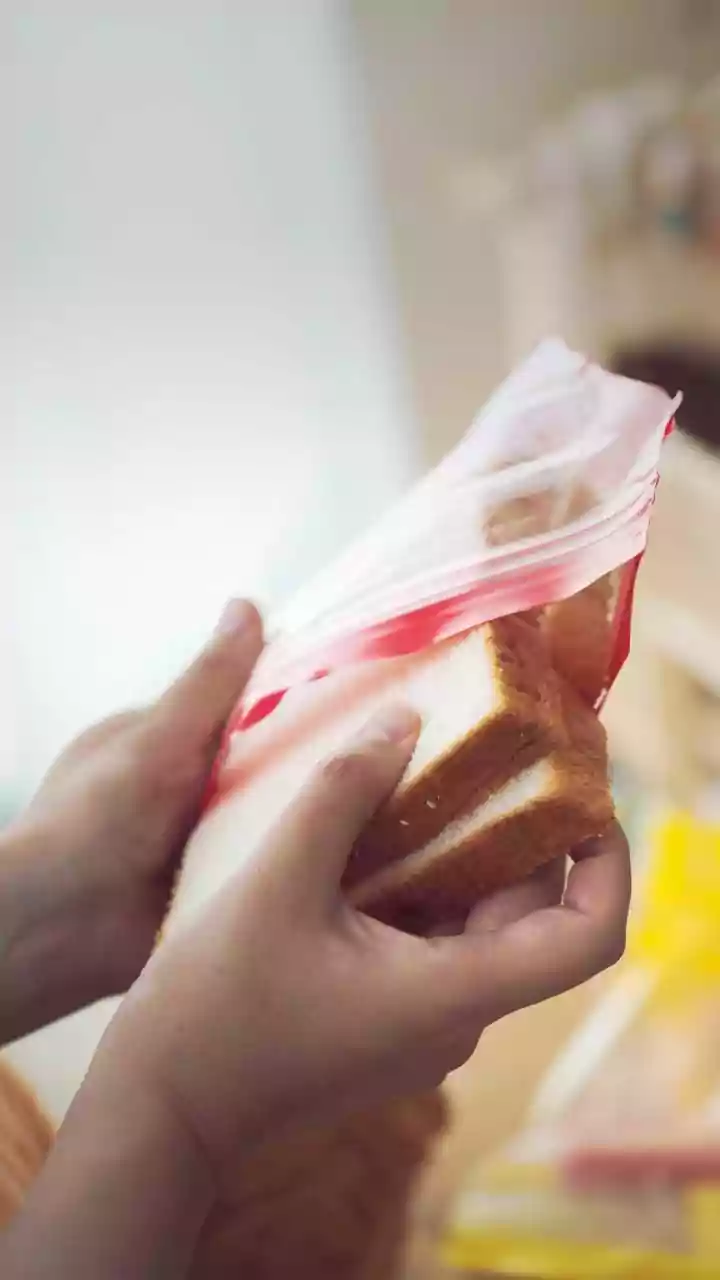
Your success with cooking for one starts at the grocery store. Avoid buying ingredients in bulk unless you know you can use them or freeze them. Many stores offer smaller portions of meat and produce. Learning how to properly store food is also crucial. For example, if you need half an egg for a recipe, you can beat a whole egg and use half (about two tablespoons), saving the rest for scrambled eggs the next day. Freezing individual portions of meals in mason jars (leaving space for expansion) or freezer bags is an excellent way to manage leftovers and prevent food waste.