







The End of the Volume Era
For decades, the mantra in the global auto industry was simple: sell more cars than anyone else. Market share was king, and production volume was the measure of success. The Volkswagen Group, with its sprawling portfolio of brands including Volkswagen,
Audi, Skoda, and Porsche, was a master of this game, once aiming to produce 12 million vehicles a year. But in a dramatic pivot, the German giant is abandoning the chase for volume. It is now embracing a strategy focused on margin over market share, aiming to become more resilient and profitable in a turbulent global market. This shift comes as the company faces intense pressure from new Chinese competitors, the costly transition to electric vehicles (EVs), and geopolitical uncertainties.
How Less is More for Factories
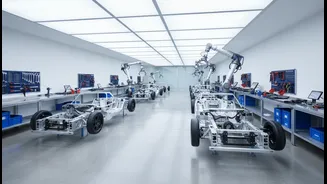
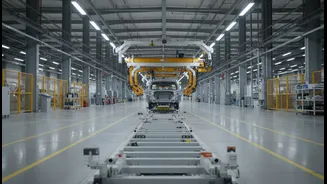
The core of the strategy is to cut production capacity to around 9 million vehicles annually and slash its complex model lineup by up to 50 percent. The paradox of improving factory utilisation by making fewer cars is resolved through simplification. Volkswagen's brand portfolio is notoriously complex, with around 150 model lines and a staggering number of configuration options. This complexity inflates costs in development, manufacturing, and supply chains. By culling lower-volume models like the Arteon and drastically reducing customisation options—the ID.7, for example, has 99 percent fewer configurations than a Golf 7—the company can streamline its operations. Fewer, more popular models running on shared platforms mean production lines can operate more consistently and efficiently, reducing expensive downtime and complexity. This allows plants to run closer to their ideal capacity for the models they are producing, boosting overall utilisation and profitability.
A Leaner Strategy for India
While Volkswagen has not announced specific model cuts for India, this global overhaul will undoubtedly shape its 'India 2.0' strategy. The focus on profitability and efficiency aligns with its recent moves in the subcontinent. The group, which includes the popular Skoda brand, has already shifted focus away from hyper-competitive small car segments to concentrate on higher-margin SUVs and sedans. This new global directive will likely accelerate this trend. Indian consumers might see a stronger focus on globally successful SUV models, increased platform sharing between Skoda and Volkswagen to cut costs, and potentially fewer niche models imported as completely built units (CBUs). The goal is to make the Indian operation more self-reliant and profitable, as the group targets a 5 percent market share by the end of the decade, a target revised from an earlier goal of 2025.
Navigating the Risks
This radical restructuring, part of a massive cost-saving program, is not without risk. Ceding volume could mean losing market share to aggressive rivals, particularly in the booming EV space. The plan also involves significant workforce restructuring and potential plant closures in Europe, which has led to friction with powerful labour unions. However, the leadership, under CEO Oliver Blume and VW brand chief Thomas Schaefer, believes the risk of inaction is far greater. They argue that the company's high costs and complexity are unsustainable. The reward for this painful transformation is a more agile, resilient, and financially robust company that is better equipped to fund its own transition into the electric and digital future, ensuring its long-term survival and competitiveness.