





From 'Wet Spell' to Widespread Havoc
The first few days of August saw forecasts for a typical monsoon wet spell across Kerala. However, the reality on the ground quickly turned grim. The state received an alarming 181% excess rainfall between August 1 and 4 alone. This intense, concentrated
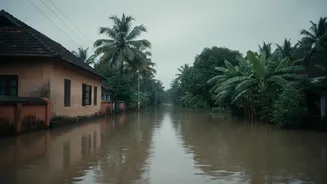
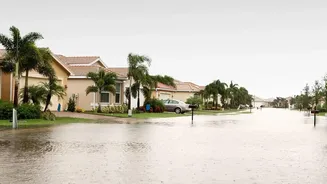
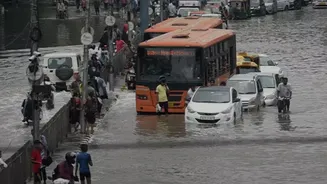
downpour, described by some as resembling cloudburst conditions, overwhelmed rivers and reservoirs. In just 24 hours, some areas recorded staggering amounts of rain, such as the 361 mm in Vadasserikkara, Pathanamthitta. This sudden escalation from predicted heavy rain to extreme and unrelenting deluges caught many by surprise, transforming roads into rivers and forcing thousands to flee their homes with little warning. The India Meteorological Department (IMD) was forced to rapidly upgrade alerts, issuing red alerts for eight districts by August 4, signifying the expectation of extreme rainfall.
The Human Cost of the Deluge
The impact on human life has been swift and severe. As of August 5, officials confirmed that the death toll from rain-related incidents had risen to 26, with several people still missing. Across the state, particularly in the hard-hit districts of Pathanamthitta, Kottayam, and Alappuzha, homes have been inundated, livelihoods destroyed, and communities displaced. Over 27,000 people have been evacuated to more than 460 relief camps set up across the state to provide shelter, food, and medical aid. The floods have destroyed or damaged hundreds of homes and devastated thousands of hectares of agricultural land, affecting a vast number of farmers. Rescue teams, including Fire and Rescue Services personnel, worked around the clock in harrowing conditions, evacuating over 3,600 people in Pathanamthitta alone during a marathon 70-hour operation.
A State on High Alert
In response to the crisis, Kerala's disaster management apparatus has been fully activated. The State Disaster Management Authority (KSDMA), police, and fire services are coordinating massive rescue and relief operations. Multiple weather systems, including cyclonic circulations over neighbouring regions and the influence of a typhoon in the Pacific, are believed to be strengthening the monsoon, prompting the IMD to issue orange alerts for several districts through August 6 and beyond. The state government has announced financial aid for the victims, including enhanced compensation for families of the deceased and for those whose houses were damaged or destroyed. Authorities have warned residents to remain vigilant, advising against travel in hilly regions and issuing warnings to fishermen about high waves and squally weather along the coast.
Echoes of the Past, Questions for the Future
This latest disaster has inevitably revived memories of the catastrophic floods of 2018 and has once again put the spotlight on Kerala's long-term vulnerability. While the state has invested significantly in improving its early warning systems and disaster response infrastructure since 2018, this event underscores the immense challenge posed by increasingly frequent extreme weather events. Experts point out that while disaster response has improved, the core issues of ecological degradation, unsustainable land use in fragile areas like the Western Ghats, and the loss of natural flood defences like wetlands remain unaddressed. The recurring landslides and simultaneous flooding of multiple river basins are seen not just as a result of heavy rain, but as a consequence of a weakened ecosystem. The conversation in Kerala is shifting from merely responding to disasters to questioning whether enough is being done to build genuine, long-term climate resilience.