




What is Rhenium and Why is it a Concern?
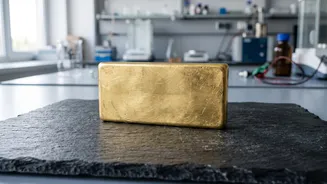
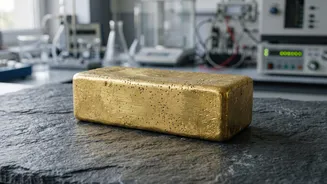
Rhenium is a rare, silvery-white metal that is one of the densest elements on Earth. Its density is approximately 21 grams per cubic centimetre, which is even higher than gold's 19.3 g/cm³. This similarity in density is precisely what makes it a clever,
if fraudulent, adulterant. When mixed as a fine powder with gold, it can increase the total weight of the final product without raising immediate suspicion through simple density checks. An investigative report by Dainik Bhaskar has brought this issue to the forefront, alleging that this powder, potentially sourced from China, is being mixed with gold. The economic incentive is clear: while rhenium is rare, it is significantly cheaper per gram than gold, allowing fraudsters to sell a heavier, yet less pure, piece of jewellery at full price.
The Challenge to Purity Testing
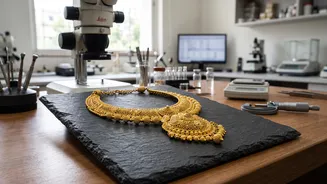
The primary concern is that this form of adulteration may bypass conventional purity tests. The most common method used by jewellers and hallmarking centres is X-ray Fluorescence (XRF) analysis. An XRF machine bombards the metal with X-rays and reads the unique energy signatures that each element emits in response, providing a compositional breakdown. However, according to recent reports, some standard XRF machines may not be able to detect rhenium. This can happen if the machine's software isn't specifically calibrated to look for rhenium or if its detectors confuse rhenium's energy signature with that of gold. An experiment conducted by journalists showed that a piece of jewellery made with a significant amount of rhenium was certified as 22-carat gold by a hallmarking centre and passed tests at several showrooms, none of which detected the foreign metal.
Understanding the Hallmarking System
In India, the Bureau of Indian Standards (BIS) hallmarking scheme is the benchmark for gold purity. A hallmarked item must carry three marks: the BIS logo, a purity grade (like 22K916 for 22-carat gold), and a six-digit alphanumeric Hallmark Unique Identification (HUID) number. This system is designed to protect consumers from being sold under-karatage gold. However, the alleged ability of rhenium-adulterated gold to fool some testing machines puts a spotlight on potential vulnerabilities. The issue is compounded by recent audit findings from the Comptroller and Auditor General (CAG) which flagged that BIS had missed surveillance targets for hallmarking centres and had not inspected a vast majority of registered jewellers in 2024-25, citing staff shortages.
Is This a New Problem?
While the focus is currently on rhenium, the adulteration of gold with dense metals is not a new phenomenon. In the past, the industry has grappled with the use of other platinum-group metals like iridium, osmium, and ruthenium. These metals also have high densities and can be mixed with gold to increase its weight, escaping traditional detection methods like acid or touchstone tests. These incidents have periodically forced the industry and regulatory bodies to update testing protocols and technology to stay ahead of fraudulent practices. The current reports about rhenium are the latest chapter in this ongoing cat-and-mouse game between fraudsters and the jewellery industry.
What Should Gold Buyers Do?
While these reports are concerning, consumers should not panic. The news serves as a critical reminder to exercise caution. The first and most important step is to always purchase hallmarked jewellery from reputable and trusted sellers. Using the BIS Care app, buyers can instantly verify the HUID number on their jewellery to check its authenticity and details. While the current reports question the infallibility of some tests, the hallmarking system remains the single most important safeguard available to a consumer. If you have significant doubts about a high-value purchase, you can consider getting it tested at a government-recognised assaying centre that may use more advanced or destructive testing methods for confirmation.