





Choosing the Perfect Loaf
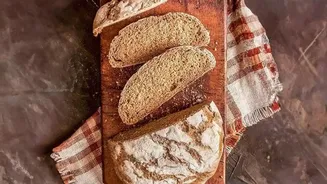
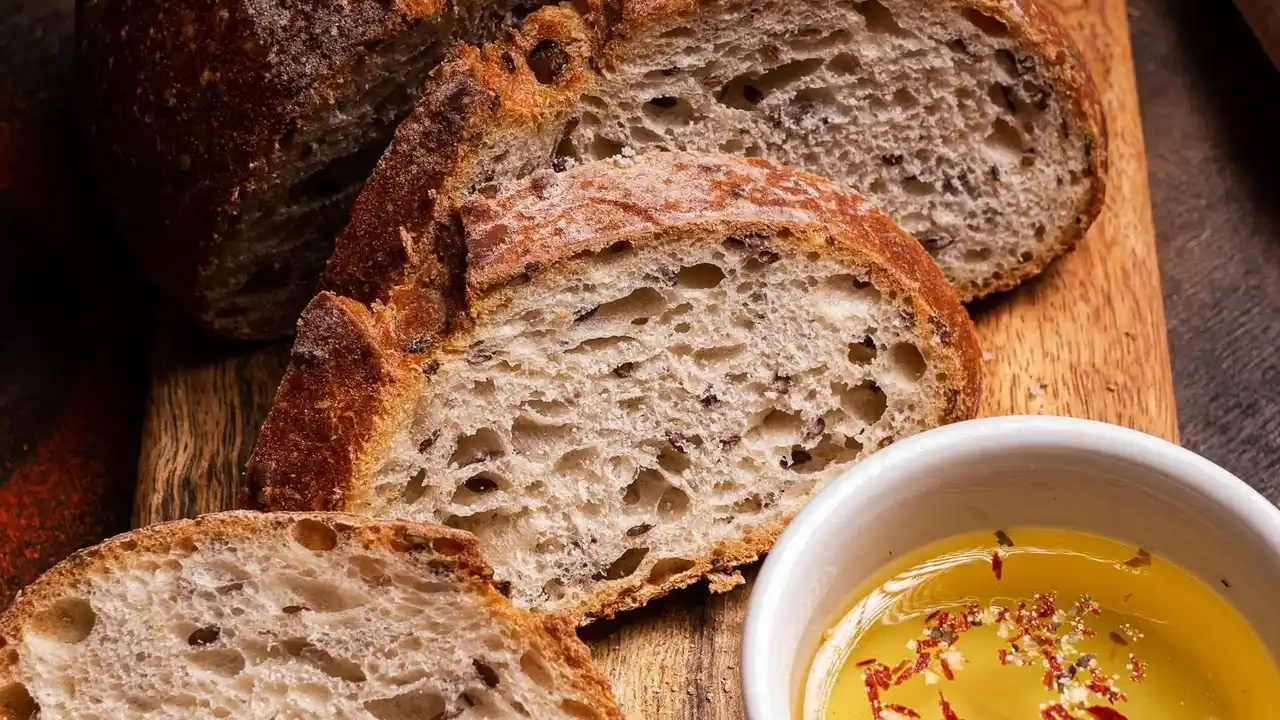
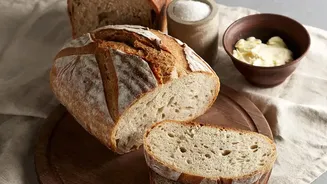
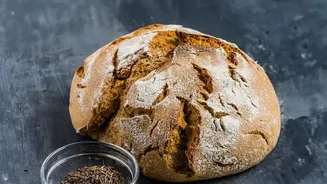
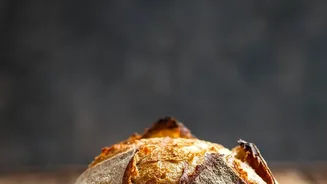
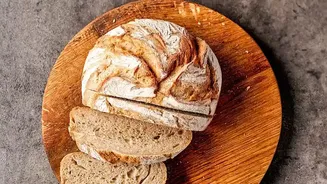
The foundation of a great bread bowl is, of course, the bread itself. Sourdough is the classic choice for a reason. Its tangy flavour profile beautifully complements rich, creamy soups and dips. More importantly, its characteristically thick, sturdy crust
provides the structural integrity needed to hold a liquid filling without collapsing into a soggy mess. When selecting your loaf, look for a round 'boule' style bread. It should feel heavy for its size with a firm, well-baked crust that gives slightly when pressed. A smaller, individual-sized loaf is perfect for a personal serving, while a large, shareable loaf can become a stunning centrepiece at a party.
The Art of Hollowing
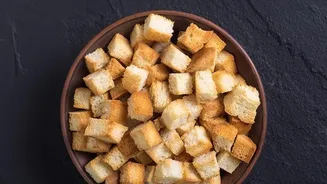
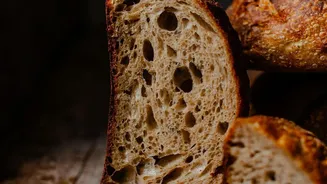
Preparing your bread bowl is a simple but crucial process. First, place the loaf on a cutting board. Using a serrated knife, slice off the top inch or two of the bread to create a 'lid'—set this aside. Next, trace a circle about an inch from the outer edge of the bread. Carefully begin to hollow out the loaf, using your fingers or a spoon to pull out the soft interior crumb. Be mindful not to puncture the bottom or sides of the bread; aim to leave a wall that is at least an inch thick all around. This thick wall is your primary defence against leaks. Don't discard the bread you've removed! These soft pieces are perfect for dipping.
A Crispy, Leak-Proof Barrier
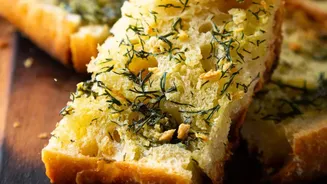
This is the most important step to prevent your bread bowl from becoming a disappointment. To create a barrier against the liquid, you need to toast the interior. Lightly brush the inside walls and the bottom of the hollowed loaf with olive oil or melted butter, and sprinkle with a little salt and garlic powder for extra flavour. For an even more robust seal, some chefs layer the inside with cheese, like Gruyère or cheddar, before filling. Place the hollowed loaf and its lid on a baking sheet and bake in a preheated oven at 180°C (350°F) for about 10-15 minutes, or until the inside feels dry and lightly toasted. This simple act of baking creates a crispy layer that significantly slows down the absorption of the soup or dip.
Ideal Fillings: Hearty Soups and Stews
Not all soups are created equal when it comes to bread bowls. Thin, broth-based soups will soak through the bread too quickly. The ideal candidates are thick, creamy, and chunky concoctions. Classic choices include New England clam chowder, whose creaminess pairs beautifully with the tangy bread, or a thick and cheesy broccoli cheddar soup. A hearty potato soup, loaded with bacon and chives, is another winner. Hearty beef chilli, white chicken chilli, or a dense lentil stew also work wonderfully, turning the bread bowl into a complete, satisfying meal in one.
Beyond Soup: The Ultimate Dip Holder
Don't limit your bread bowl to just soups. A large, hollowed-out sourdough loaf makes for a fantastic and dramatic way to serve dip at your next party. A classic cold spinach and artichoke dip is a crowd-pleaser, with the bread cubes from the inside serving as the perfect vehicle for scooping. For a warm and comforting option, a hot, cheesy artichoke dip or a gooey queso fundido will have guests gathering around. When using the loaf for dip, simply fill the pre-toasted bowl, arrange the reserved bread cubes and some vegetable sticks around it on a platter, and serve.
Serving and Enjoying Your Creation
To serve, ladle the piping hot soup or dip into your prepared bread bowl just before you're ready to eat to maintain maximum crispness. Place the 'lid' jauntily on the side or use it for dipping. As you eat the contents, the interior walls of the bread slowly soften, absorbing the delicious flavours. The best part of the meal is arguably the end, when you get to tear apart and eat the soup-infused bowl itself. It’s a fun, interactive, and comforting way to dine, with the added bonus of less washing up at the end of the night.