






The New Precious Cargo
The engine of the current AI revolution isn't just code; it's incredibly powerful and specialised hardware. At the heart of this are Graphics Processing Units (GPUs), sophisticated processors designed by companies like Nvidia, which are essential for
training and running complex AI models. Alongside these are entire pre-configured server racks, high-bandwidth memory, and advanced networking equipment. This isn't your standard consumer electronics cargo. These components are extraordinarily valuable, with demand often outstripping supply. Tech giants are in a global race to build and upgrade data centers, and the speed at which they can acquire and install this hardware directly impacts their competitive edge. As a result, this equipment has become some of the most precious cargo in the world, commanding premium logistics services to move it across continents.
The Urgent Need for Speed and Security
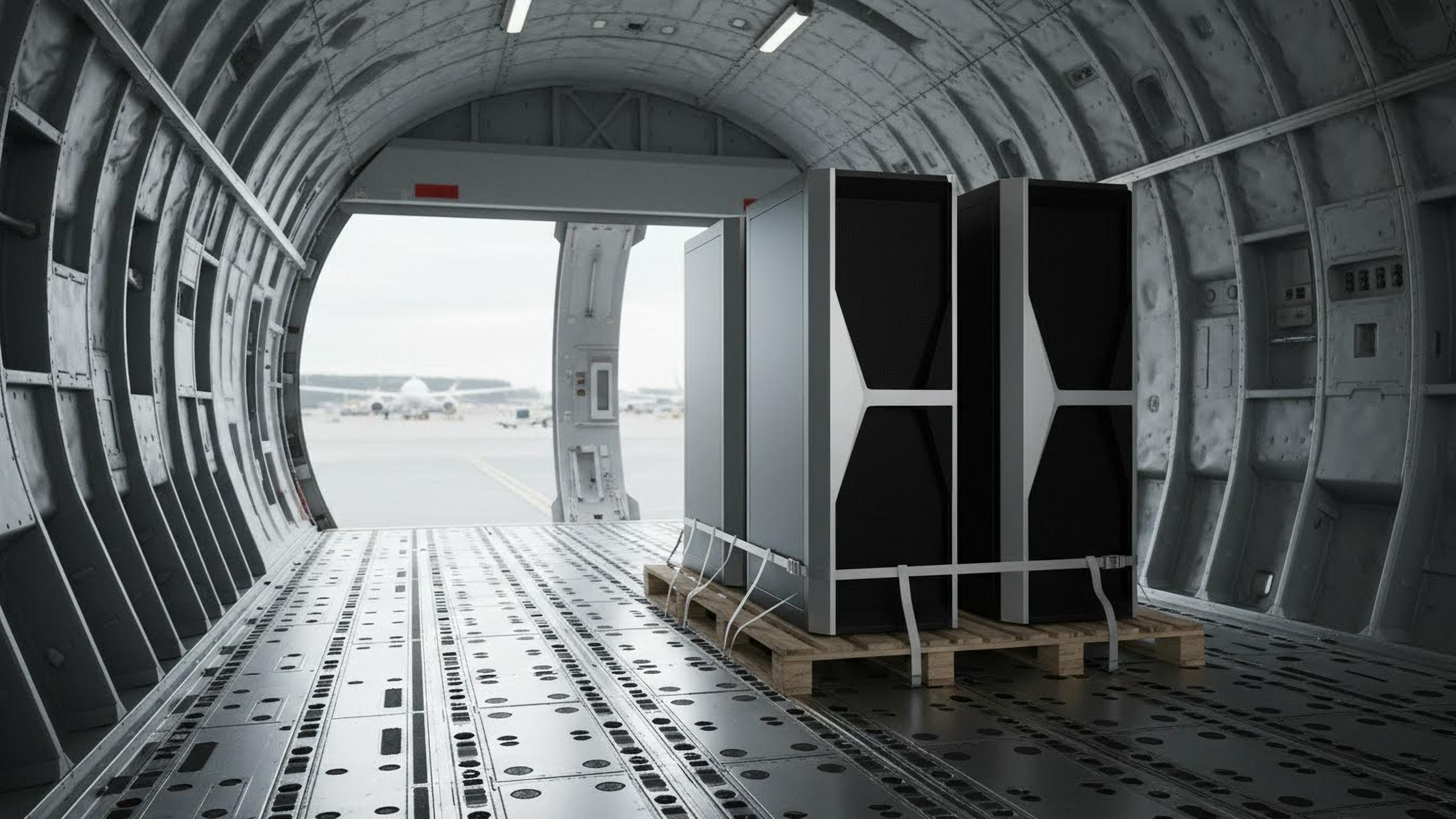
For decades, ocean freight has been the default for moving large volumes of goods globally. But for AI hardware, the weeks or months spent on a container ship are an eternity. The primary reason for the pivot to air cargo is speed. Every day a data center is not operational represents millions in lost revenue and a lost opportunity in the fast-moving AI sector. The cost of air freight, while significantly higher, is a small price to pay to protect a project timeline worth billions. Furthermore, this hardware is not just valuable but also sensitive. Sophisticated electronics and fully assembled server racks require careful handling to avoid damage from shock or vibration. Air cargo offers a more controlled and secure environment, with enhanced security measures at airports and faster transit times reducing the window for potential disruption. This combination of urgency, value, and fragility makes air transport the only viable option.
A Windfall for the Airline Industry
For an air cargo industry that has faced volatility from fluctuating e-commerce volumes and global economic shifts, the AI boom is a timely and lucrative windfall. This isn’t just about filling empty space on planes; it's a high-yield business. Because the cargo is bulky, sensitive, and urgent, it often requires dedicated freighter aircraft and specialized handling, allowing airlines and logistics firms to charge a premium. Major carriers like Lufthansa have reported significant revenue growth directly attributed to this segment. The demand is reshaping traditional trade lanes, with a massive flow of hardware originating from manufacturing hubs in Asia—particularly Taiwan—and heading to North America and Europe. In fact, data center-related goods now account for a substantial portion of the entire Asia-U.S. air freight market, a dramatic increase from just a few years ago.
Reshaping the Global Supply Chain
The impact of this trend extends beyond airline balance sheets. It's fundamentally redrawing logistics maps and creating new dynamics in the global supply chain. While AI-related hardware may represent less than 10% of total air cargo volume, it accounts for a disproportionately large share of its value, highlighting its strategic importance. This shift is forcing logistics providers to adapt, developing new expertise in handling high-tech, high-consequence shipments. The demand has become so significant that it's offsetting declines in other areas, such as the cross-border e-commerce trade from China to the U.S. that had previously been a primary growth driver. Logistics firms like DHL are now offering end-to-end services, from warehousing components to managing inbound logistics at construction sites, turning a simple transport job into a complex orchestration.