






The Scale of the Slowdown
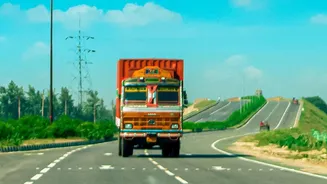
Recent data presented to Parliament paints a stark picture of the delays plaguing India's ambitious highway expansion. According to figures from the Ministry of Road Transport and Highways, over half of the national highway projects currently under construction
have missed their original completion dates. Out of 1,191 ongoing projects, a staggering 629 are running behind schedule. These delays are not confined to one region; states from Maharashtra and Karnataka to Uttar Pradesh and Kerala are all struggling with significant backlogs. This bottleneck has real consequences, leading to increased project costs, postponed economic benefits, and continued inconvenience for millions of commuters and businesses that rely on this critical infrastructure.
The Land Acquisition Labyrinth
By far the most significant hurdle in highway construction is the process of acquiring land. Before a single paver can be laid, the government must purchase vast stretches of private property. This is a complex and often contentious process. Protracted disputes over fair compensation, inaccurate land records, and resistance from local communities can stall a project for years before it even begins. In fact, official reports indicate that land acquisition issues are the primary cause for about 35 percent of all project delays. The legal framework, which aims to provide fair compensation and rehabilitation, can also add layers of complexity and time to the process, making it the single biggest variable in project timelines.
Navigating a Maze of Clearances
Acquiring land is only one part of the bureaucratic journey. Projects also require a host of clearances from various governmental bodies, and each approval presents a potential delay. Environmental and forest clearances are a major factor, especially for routes that pass through ecologically sensitive zones. Beyond environmental nods, builders often need approvals from other departments, such as the railways for constructing road overbridges or underpasses, which accounts for a significant chunk of stalled projects. The need for coordination between multiple central and state government agencies can slow momentum, as files move through different departments, each with its own set of procedures and timelines.
The Contractor Capacity Crunch
Even when the land is clear and approvals are in hand, the project's success depends on the execution capabilities of the construction companies. Many contractors face significant financial stress, struggling with rising material costs, delayed payments from the government, and limited access to credit. This can lead to a slowdown in work or, in some cases, the contractor abandoning the project altogether. Furthermore, the industry grapples with a shortage of skilled labour and issues with subcontractors, which can create a domino effect of delays. In response, the government has begun taking a stricter stance, penalising and even blacklisting over 100 contractors in recent years for poor quality and failing to meet deadlines.
Unforeseen On-Ground Challenges
Finally, a host of on-the-ground issues can derail even the best-laid plans. A common problem is the need to shift existing utilities, such as power lines, water pipes, and communication cables, which is often not adequately planned for in the initial stages. Local law and order problems or protests can also bring work to a halt. These variables highlight the gap that can exist between planning on paper and the realities of execution in a diverse and densely populated country. While new digital platforms are being deployed to streamline approvals and land acquisition, the fundamental challenges remain deeply embedded in the construction ecosystem.