




The Calorie and Macro Count
For those keeping an eye on calories, both options are excellent. Zucchini has a slight edge, coming in at around 17 calories per 100 grams, while white mushrooms contain about 22 calories for the same amount. When it comes to macronutrients, their profiles
are similar but with key differences. Mushrooms tend to be slightly higher in protein, with about 3 grams per 100g compared to zucchini's 1.2 grams. Both are very low in fat and contain a similar amount of carbohydrates, around 3 grams per 100g. This makes both vegetables fantastic choices for adding bulk and nutrients to meals without a significant caloric cost.
The Vitamin Verdict
Here’s where the two vegetables really start to carve out their own identities. Zucchini is a powerhouse of Vitamin A and Vitamin C, nutrients known for supporting immune function and skin health. A 100-gram serving of zucchini provides a significant amount of your daily Vitamin C needs, far surpassing mushrooms. On the other hand, mushrooms are one of the few non-animal sources of Vitamin D, especially when they have been exposed to UV light. This is a crucial vitamin for bone health and immune function. Mushrooms also have a clear advantage in the B-vitamin department, being a great source of riboflavin (B2), niacin (B3), and pantothenic acid (B5), which are all vital for energy production.
A Duel of Minerals
In the mineral arena, the competition is tight. Both vegetables are good sources of potassium, which is important for regulating blood pressure. However, mushrooms generally contain slightly more potassium per serving. Mushrooms are also a standout source of selenium, a powerful antioxidant that helps protect cells from damage. They also provide copper and phosphorus. Zucchini, while not as high in selenium, offers a good amount of manganese, which plays a role in bone formation and metabolism, and more calcium than mushrooms.
Antioxidants and Unique Compounds
Both vegetables are rich in antioxidants, the compounds that fight oxidative stress in the body. Zucchini's vibrant skin is packed with carotenoids like lutein and zeaxanthin, which are particularly beneficial for eye health. Mushrooms boast their own unique antioxidant called ergothioneine, which studies suggest has anti-inflammatory properties. The antioxidant capacity of mushrooms has been compared favorably to other vegetables like carrots and green peppers. For zucchini, much of its antioxidant power is in the skin, so it's best to consume it unpeeled.
How to Choose for Your Plate
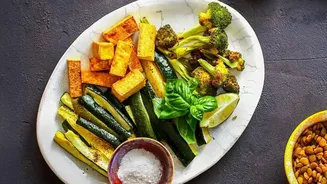
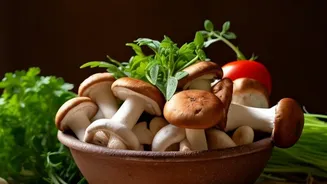
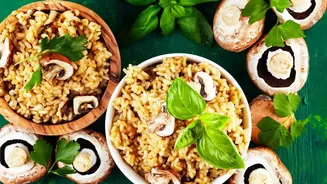
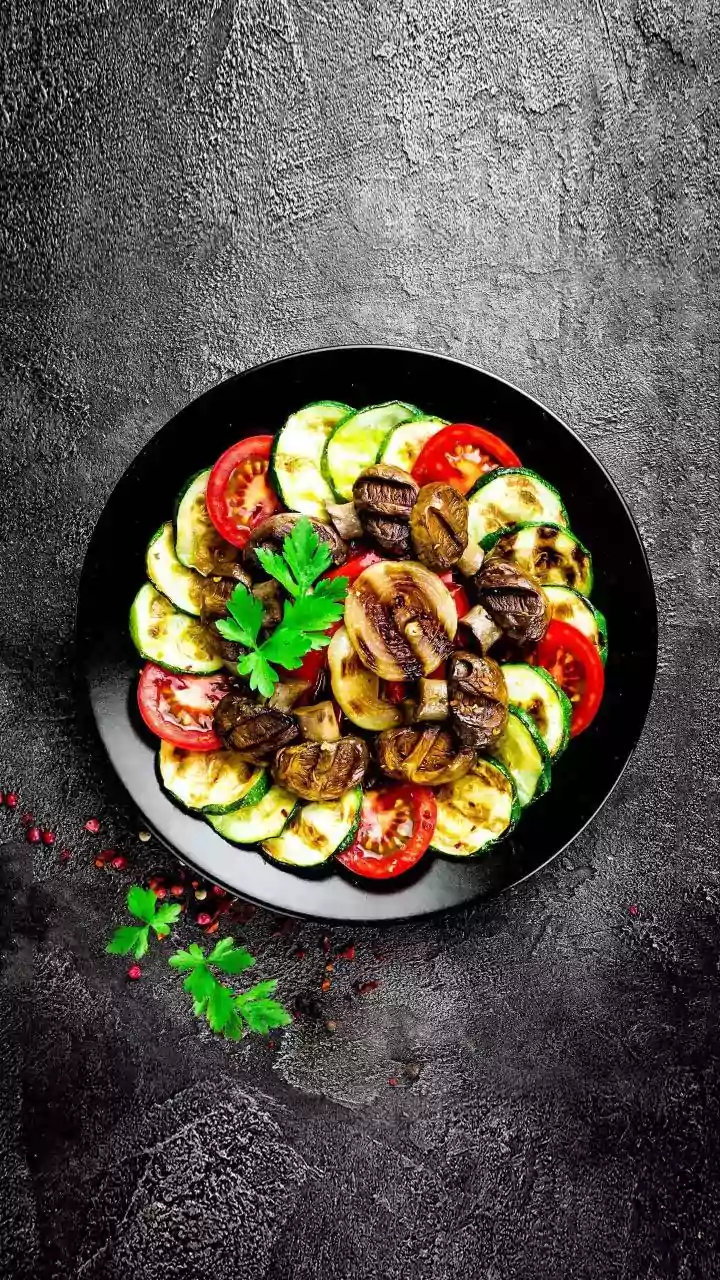
Ultimately, the choice between mushrooms and zucchini depends on your specific health goals and culinary needs. If you're looking to boost your Vitamin A and C intake, especially for immune and skin health, zucchini is an excellent choice. Its high water content also makes it very hydrating. If your focus is on increasing your intake of B vitamins, the antioxidant selenium, or finding a plant-based source of Vitamin D, then mushrooms are the clear winner. Their savory, umami flavor also adds a depth to dishes that zucchini's milder taste does not. For those aiming to increase protein from plant sources, mushrooms have a slight advantage.