



A Journey into a Shared Past
For many Indians, the connection to Uzbekistan is deeply personal and historical. It is the land from which Babur, the founder of the Mughal Empire, began his journey to India. This shared heritage echoes in the architecture, cuisine, and culture of both
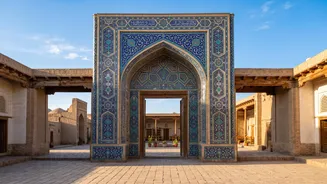
nations. Visiting Uzbekistan is like walking through a living museum of a past that shaped the Indian subcontinent. The majestic mausoleums and intricate tilework seen in cities like Samarkand and Bukhara feel both foreign and comfortingly familiar, reflecting the Perso-Turkic influences that also defined Mughal artistry. This isn't just a holiday; it's a journey into the origins of a significant chapter of Indian history, where names like Timur and Babur are not just historical figures but national heroes whose stories began on this very soil.
The Silk Road Cities: A Visual Feast
Uzbekistan’s main draw lies in its trio of legendary Silk Road cities, each one a designated UNESCO World Heritage site. Samarkand, the crown jewel, is home to the breathtaking Registan Square, an ensemble of three grand madrasas that stands as one of the world's most beautiful architectural achievements. Then there is Bukhara, with a historic centre that invites you to lose yourself in its ancient alleyways, past the towering Kalon Minaret and the formidable Ark Fortress. Finally, the walled city of Itchan Kala in Khiva feels like a perfectly preserved open-air museum. For Indian travellers accustomed to the grandeur of their own historical monuments, these cities offer a comparable sense of scale and beauty, but with a unique Central Asian aesthetic of dazzling blue domes and intricate mosaics.
Simplified Travel and Growing Connectivity
One of the most significant factors behind Uzbekistan's rising popularity is its simplified visa process for Indians. The country offers a straightforward e-visa that can be applied for online, typically processed within a few working days for a fee of around $20. In a major recent development, Uzbekistan has announced plans for a 30-day visa-free regime for Indian citizens, though travelers should confirm the official start date before making plans. Furthermore, air connectivity has improved dramatically. Multiple airlines, including Uzbekistan Airways and Centrum Air, operate direct flights from Indian cities like Delhi, Mumbai, and Hyderabad to Tashkent, with flight times of just a few hours. This ease of access has opened the doors for more spontaneous and hassle-free travel.
Affordability and a Familiar Welcome
Uzbekistan is remarkably affordable, especially for Indian tourists. With a favorable exchange rate, the Indian Rupee stretches far, making everything from accommodation and food to transport and sightseeing feel budget-friendly. A comfortable 10-day trip can be managed within a budget of approximately ₹60,000-₹80,000 per person, including flights. Beyond the cost, there's a cultural resonance that many Indian visitors appreciate. The local cuisine features familiar dishes like plov (pulao), somsa (samosa), and various kebabs. Moreover, locals are known for their warm hospitality, with many connecting with Indian tourists over a shared love for Bollywood films and stars, making for a welcoming and friendly atmosphere despite any language barriers.
More Than Just History
While history is a major draw, modern Uzbekistan offers a comfortable and efficient travel experience. The capital, Tashkent, blends Soviet-era architecture with modern museums and bustling markets like the Chorsu Bazaar. Its metro stations are famed for their art and design, each one a subterranean gallery. Connecting the major cities is the Afrosiyob, a high-speed train that makes travel between Tashkent, Samarkand, and Bukhara quick and comfortable. This blend of ancient wonders and modern convenience ensures that a trip to Uzbekistan is not just an educational pilgrimage but also a relaxing and enjoyable holiday.