


The Great Indian Meal Debate
The question of choosing between rice and roti is more than just a dietary one; it's cultural. From the soft phulkas of the north to the comforting rice bowls of the south, both grains are deeply woven into our culinary identity. For generations, meals
have been structured around them. However, with rising health consciousness, many believe they must sacrifice one for the other to manage weight or blood sugar. This often creates a sense of deprivation, making healthy eating feel like a compromise. The truth is, both staples can coexist peacefully on your plate. The secret lies not in elimination, but in intelligent moderation and balance.
A Quick Nutritional Snapshot
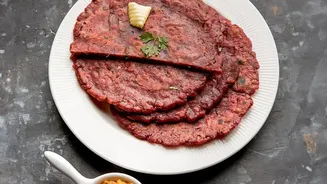
To understand how to balance them, it helps to know what each brings to the table. A medium-sized whole wheat roti (about 40g) typically contains around 100-120 calories, is a good source of dietary fibre, and has more protein than white rice. This fibre helps you feel full longer and leads to a slower, more gradual rise in blood sugar, giving roti a lower glycemic index (GI) compared to white rice. On the other hand, a small portion of cooked white rice (about half a cup or 75-80g) contains roughly 100-110 calories. While it has less fibre and protein, it is easily digestible and naturally gluten-free, making it a good option for those with sensitive stomachs. Brown rice is a healthier alternative, offering more fibre and nutrients than its white counterpart.
The Magic of Portion Control
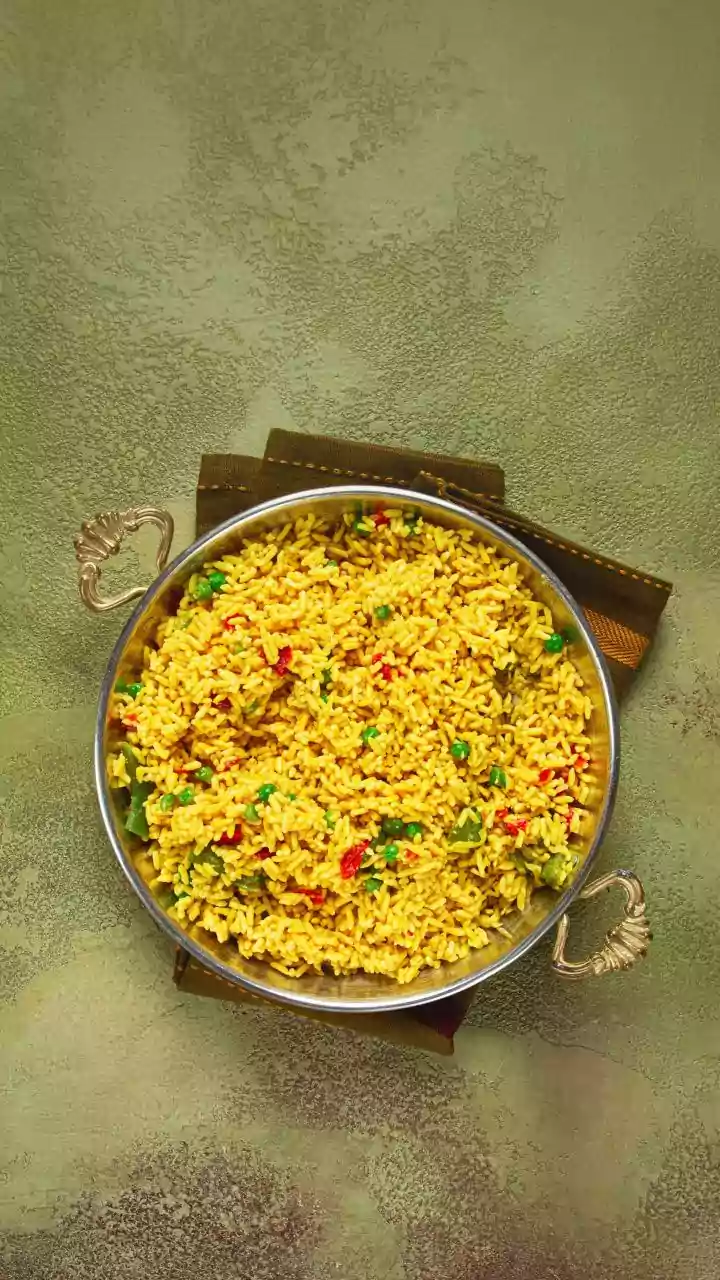
The headline's promise hinges on one powerful principle: portion control. Eating both rice and roti in one meal becomes problematic only when the portions are large, leading to an overload of carbohydrates and calories. By consciously reducing the amount of each, you can enjoy the variety without the negative effects. So, what does a 'small portion' look like? A healthy serving could be one medium roti and about half a small bowl (or katori) of rice. This combination provides a similar carbohydrate load to having two rotis or a full bowl of rice, but offers more satisfaction through textural diversity. The key is to stop seeing these grains as the main event and start treating them as one component of a larger, more colourful plate.
Building the Perfect Balanced Thali
The best way to incorporate both rice and roti is by using the 'Healthy Plate Method'. Imagine your thali is divided into sections. Half of your plate should be filled with non-starchy vegetables, like sabzi, stir-fries, and salads. These are packed with fibre, vitamins, and minerals, and they fill you up with minimal calories. One quarter of the plate should be dedicated to protein. This is crucial for satiety and muscle health. Excellent Indian protein sources include dal, chole, rajma, paneer, eggs, or chicken. The final quarter is for your carbohydrates. This is where your one small roti and half-katori of rice fit perfectly. This balanced approach ensures you get a wide range of nutrients, slows down the absorption of sugar, and prevents the energy slumps that can follow a carb-heavy meal.
More Than Just Weight Management
Adopting this balanced approach offers benefits beyond just managing your weight. Including both grains provides a wider array of nutrients. For example, whole wheat roti offers B vitamins and minerals like magnesium and zinc from the wheat bran. Psychologically, allowing yourself to enjoy both staples prevents feelings of restriction that can lead to unhealthy cravings and abandoning your diet altogether. It makes healthy eating a sustainable lifestyle rather than a temporary punishment. You get the satisfaction of chewing a soft roti and the comfort of mixing dal with rice, all in one meal. This dietary freedom, combined with mindful eating—paying attention to your body's hunger and fullness cues—is the cornerstone of a positive and lasting relationship with food.