

More Than a Morning Kick
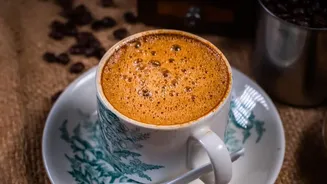
For generations, coffee was a straightforward commodity. In India, the aroma of filter coffee has long been a cherished morning ritual, a symbol of hospitality and community that connects generations. This traditional brew, often served in a dabarah set,
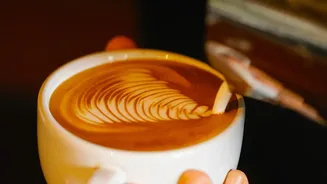
is more than a drink; it’s an experience woven into the cultural fabric, especially in the South. But globally, the humble cup of coffee has undergone a dramatic transformation. What was once a mass-produced product consumed for convenience and caffeine is now treated as a craft product, much like fine wine or artisanal beer. This shift has redefined our expectations, turning a simple daily habit into a moment of exploration and personal expression.
The Rise of the 'Third Wave'
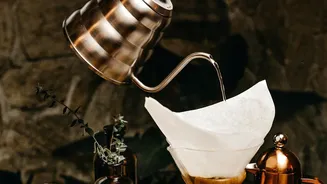
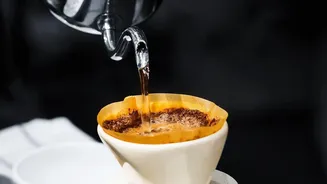
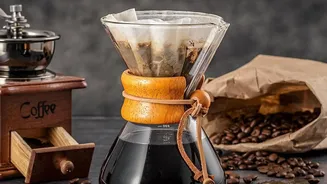
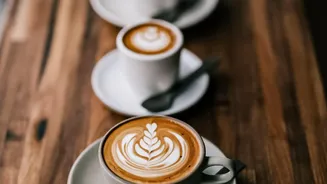
This evolution is best understood through the concept of coffee 'waves'. The first wave saw coffee become a mass-market household staple. The second wave, pioneered by large cafe chains, introduced espresso-based drinks and the idea of the coffee shop as a 'third place' between home and work. We are now firmly in the 'third wave', a movement that began in the early 2000s and treats coffee as an artisanal product. This era prioritises quality, transparency, and craftsmanship. Key features include single-origin beans that highlight a specific farm or region, lighter roast profiles to preserve natural flavours, and manual brewing methods like pour-overs. The focus is on the entire journey from seed to cup, celebrating the unique characteristics shaped by the bean's origin, processing, and the skill of the roaster.
Speaking the Language of Coffee
With the third wave came a new, complex vocabulary. Suddenly, coffee wasn’t just 'strong' or 'smooth'. It had tasting notes of 'stone fruit,' 'jasmine,' 'dark chocolate,' or 'caramel'. This specialised language, codified in tools like the Specialty Coffee Association's Flavor Wheel, allows professionals to communicate a coffee's profile with precision. For a coffee buyer, these descriptions are operational; for a barista, they are a guide for customers. However, for the average consumer, this can feel like a barrier. Words like 'acidity' or 'body' can be intimidating, creating an exclusive club where only those 'in the know' can fully participate. This language is a double-edged sword: it elevates coffee to an art form but also risks alienating the very people it hopes to attract.
Your Order, Your Identity
In this new landscape, your coffee order has become a small but powerful signal of your identity. As one film character famously noted, making six small decisions for a single cup of coffee can provide an “absolutely defining sense of self”. Psychologists and consumer experts agree. Your choice can communicate personality traits to others and reinforce your own self-image. Studies suggest black coffee drinkers may be seen as efficient purists, while latte lovers are perceived as more comfort-seeking and social. Those who opt for complex, customised drinks with flavoured syrups might be viewed as more adventurous and creative. Of course, these are broad generalisations. A coffee order can also be driven by habit, nostalgia, or a single fond memory, but there's no denying that our choices now carry social and personal meaning.
The Fine Line Between Passion and Snobbery
As appreciation for quality grows, so does the risk of snobbery. The 'coffee snob'—who looks down on anything but a single-origin, ethically sourced, perfectly brewed cup—has become a familiar stereotype. This elitism often stems from a desire to signal social status or 'cultural capital'—using specialised knowledge as a form of social currency. At its worst, this behaviour makes the world of specialty coffee feel intimidating and exclusionary rather than exciting and welcoming. The passion for great coffee is a positive force that drives the industry toward better quality and ethics. But when that passion turns into judgement, it creates a toxic culture. After all, the person who has tasted a 'game-changing' cup of coffee can find it hard to go back, but this pursuit of perfection shouldn't come at the expense of others' enjoyment.